

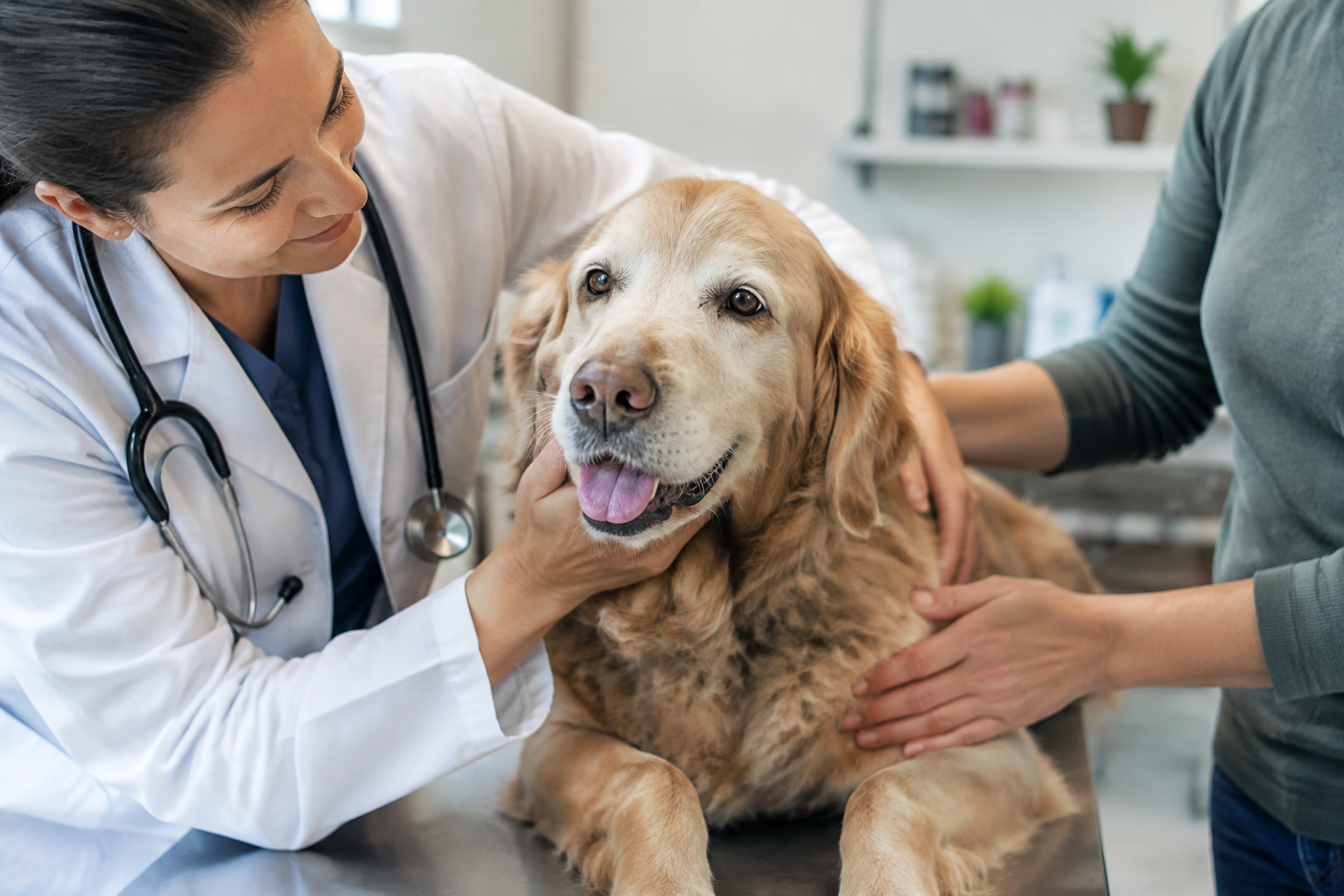
Senior dog arthritis management and prevention can feel overwhelming at first, yet gentle, steady care often makes a real difference. This guide offers general education only, so it should support, not replace, a veterinary exam.
Understanding Arthritis in Older Dogs
Arthritis is a broad term for joint inflammation and wear over time. In senior dogs, it often involves the cartilage, which cushions the joint and helps movement stay smooth. As that cushion changes, joints can become stiff, sore, and less flexible.
Because the condition usually develops slowly, many owners first notice small changes. However, those early changes matter, since simple support can help comfort and mobility. Senior dog arthritis management and prevention work best when you notice patterns early and stay consistent.
It also helps to remember that arthritis is common, but it is not something a dog must simply “live with” without support. Therefore, a vet visit can clarify what is happening and what is safe to do next. The goal is comfort, function, and quality of life.
Signs and Daily Changes to Watch For
Many dogs do not limp all the time, and that can make arthritis harder to spot. Instead, you may see subtle shifts such as slower movement, stiffness after rest, or hesitation with stairs. Some dogs also avoid jumping into the car or onto furniture.
In addition, you might notice shorter walks, a lower interest in play, or difficulty rising from the floor. Some senior dogs sleep more, yet they may also seem restless at night. Because pain can look different in each dog, behavior changes matter as much as physical signs.
Senior dog arthritis management and prevention starts with noticing what is “normal” for your pet. Therefore, keep track of stiffness, pace, grooming changes, and any new reluctance to move. A simple note log can help your vet see trends clearly.
Senior dog arthritis management and prevention: early clues at home
Watch how your dog uses the back legs and front legs during routine activities. For example, barking less, greeting more slowly, or pausing before standing can all signal discomfort. Although these changes can seem mild, they are useful clues.
Also pay attention to posture and weight shifts. Some dogs place more weight on one side, and others sit or lie down differently. Since pain affects movement, even small posture changes deserve attention.
Common Reasons Joints Wear Down
Arthritis can develop for several general reasons. Age is one, since joint structures naturally change over time. In addition, previous injury, repeated strain, genetics, body weight, and some developmental joint problems can raise risk.
However, you do not need to know the exact cause at home to begin supportive care. What matters most is recognizing that the joint is under stress. Then, your vet can help sort out the likely contributors and suggest a safe plan.
Weight also plays an important role in joint comfort. Extra body weight can increase pressure on sore joints, while stable muscle support can help movement feel easier. Therefore, nutrition and activity balance are important pieces of senior care.
Other health factors and senior care
Sometimes arthritis is only part of the picture. For example, older dogs may also have dental disease, reduced stamina, or other age-related issues that affect appetite, comfort, or activity. So, a full senior checkup often gives the best view.
Moreover, regular parasite prevention and vaccination discussions remain part of overall wellness. Healthy dogs usually cope better with aging concerns, and routine veterinary care can support the whole body. That said, process and timing should always follow your vet’s advice.
What a Vet May Check
A veterinarian usually starts with a history of your dog’s behavior, movement, and daily routine. Then, they may watch your dog walk, stand, sit, and turn. This helps them notice stiffness, uneven weight bearing, or limited range of motion.
Next, the vet may gently feel the joints and muscles. They are checking for pain, swelling, heat, reduced movement, or muscle loss. In some cases, imaging such as X-rays may help show joint changes more clearly.
Senior dog arthritis management and prevention should always stay within your vet’s guidance when symptoms are present. Because many conditions can look similar, professional evaluation helps avoid guessing. It also helps you focus on safe support rather than trial and error.
Safe Home Care and Prevention
At home, the safest support is calm, consistent, and practical. First, keep your dog at a healthy body condition, because excess weight can strain joints. Next, provide regular but gentle movement, since complete inactivity can make stiffness worse.
Soft bedding can make rest more comfortable, and non-slip surfaces can reduce slipping on tile or hardwood. Also, using ramps or low steps may help your dog avoid painful jumping. Small changes like these can improve daily comfort without adding risk.
Because senior dogs need steadier routines, try to keep walks predictable and moderate. Shorter, more frequent outings often work better than one long burst of activity. However, stop if your dog seems sore, tired, or unwilling to continue.
Senior dog arthritis management and prevention with simple routines
Gentle monitoring helps you adjust early. For instance, note whether your dog moves better after a short warm-up or worse after extra activity. Then, share those details with your vet during checkups.
Hydration also matters, especially for older dogs. Make fresh water easy to reach, and watch for changes in drinking habits. Since comfort and mobility often shift gradually, small observations can be very useful.
Finally, protect the joints by avoiding rough play, slippery sprints, and repeated high jumps. Although exercise still matters, steady low-impact movement is usually kinder. When in doubt, ask your vet what level of activity is appropriate.
When to Seek Urgent Veterinary Help
Most arthritis changes are slow, but some signs need prompt attention. Seek veterinary help urgently if your dog cannot stand, cries out suddenly, or has severe weakness. Also, rapid swelling, a new deformity, or obvious distress needs immediate care.
In addition, contact a vet quickly if your senior dog stops eating, seems very lethargic, or refuses to move at all. These signs can point to something beyond routine arthritis. Since other serious problems can look similar, do not wait if symptoms appear suddenly.
If your dog falls, injures a limb, or seems markedly worse overnight, call your vet right away. Even if arthritis is already known, a new injury can change the picture. A timely exam is the safest choice.
Common Mistakes to Avoid
One common mistake is waiting until stiffness becomes severe. However, early support often works better than delayed action. Another mistake is assuming all slowing down is “just old age,” since pain can be managed more effectively when you tell your vet.
It is also important not to force exercise on a sore dog. Overdoing walks, stairs, or play can increase discomfort. Instead, choose steady, gentle movement and let your dog set the pace.
Another error is trying home remedies or human medicines without veterinary guidance. Because dogs respond differently, that can be unsafe. Therefore, always ask your vet before giving anything new.
Simple Checklist for Owners
Use this short checklist to stay organized and calm.
- Watch for stiffness, limping, or slower movement.
- Track changes in stairs, jumping, and rising.
- Keep your dog at a healthy weight.
- Provide soft bedding and non-slip support.
- Offer gentle, regular exercise.
- Keep fresh water easy to reach.
- Book a vet visit if signs increase.
- Seek urgent care for sudden or severe symptoms.
Senior dogs can still enjoy daily comfort with thoughtful support and regular veterinary guidance. Because arthritis affects each pet differently, small adjustments often matter more than dramatic changes. So, steady observation, safe home care, and timely vet visits are the heart of good management.
With patience and consistency, you can help your dog move more comfortably and stay engaged in daily life. In the end, senior dog arthritis management and prevention is about protecting movement, reducing strain, and noticing change early. That simple approach can support a happier senior life.
