

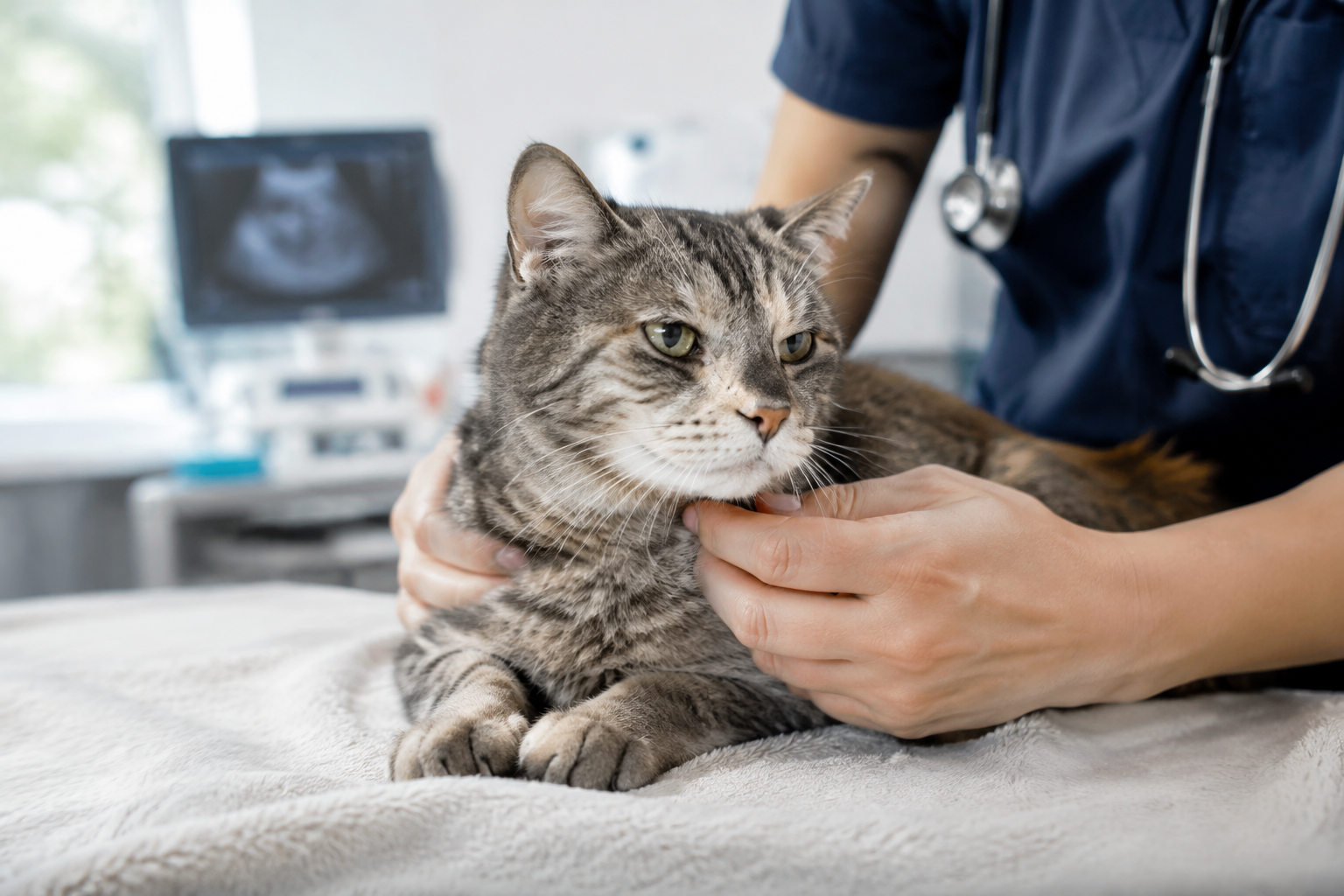
Senior cat kidney disease signs and prevention matter because age-related changes can be easy to miss at first. However, this guide is general education only, so it should support, not replace, a veterinary exam. With that in mind, careful observation and timely checkups can help you protect your cat’s comfort and quality of life.
Understanding Kidney Health in Older Cats
Kidneys filter waste from the blood, help balance fluids, and support normal body function. As cats grow older, these organs can lose efficiency, and problems may develop slowly. Therefore, subtle changes in drinking, appetite, or energy deserve attention.
Kidney disease in senior cats does not always appear suddenly. Instead, it often builds over time, which is why early awareness matters. Even so, many cats still feel well for a while, so routine care plays a big role.
Because the signs can overlap with other illnesses, a home guess is never enough. For that reason, a veterinarian should confirm what is happening. Early support may improve comfort and help you plan the next steps calmly.
Senior Cat Kidney Disease Signs and Prevention
Senior cat kidney disease signs and prevention go together, because early spotting often leads to better daily care. First, many cats drink more water and urinate more often. In addition, some cats lose interest in food or become pickier at mealtime.
You may also notice weight loss, dull coat quality, or less grooming. Moreover, some cats seem quieter, sleep more, or hide longer. These changes can look mild at first, yet they matter when they continue.
Bad breath, nausea, or occasional vomiting may also appear. However, not every cat shows every sign. So, if your cat seems “off,” especially if the change lasts more than a day or two, schedule a veterinary visit.
Senior cat kidney disease signs and prevention at home
At home, simple observation is a powerful tool. For example, notice how often your cat drinks, uses the litter box, and finishes meals. Then write down any changes, because details help your vet spot patterns.
Also, keep fresh water available in several places. Some cats drink more when water is easy to reach. In addition, a calm feeding routine and a quiet resting area can support comfort.
Common Signs You May Notice
Appetite changes are often among the first clues. For instance, a cat may eat less, walk away from food, or act interested only some days. Likewise, a cat may seem hungry but still lose weight slowly.
Changes in thirst and urination matter too. You might see a fuller litter box, larger clumps, or accidents outside the box. Alternatively, some cats become constipated or look strained during litter box visits.
Energy and behavior can shift as well. Your cat may nap more, move less, or stop jumping as easily. Similarly, a cat that normally greets you may seem distant or withdrawn. These signs do not prove kidney disease, but they do justify a prompt check.
Possible Reasons a Senior Cat Develops Kidney Trouble
There is no single cause in many older cats. Instead, age-related wear and tear can reduce kidney function over time. In addition, past illness, dehydration, or recurring urinary problems may contribute to stress on the kidneys.
Some cats may have inherited tendencies or longstanding health issues. Therefore, a full history helps your veterinarian understand risk. Environmental factors, nutrition, and overall health also matter, although they rarely tell the whole story alone.
Because causes can be varied, prevention focuses on general support. That means good hydration, regular exams, and watching for changes early. It also means not waiting for the signs to become obvious before seeking help.
Senior cat kidney disease signs and prevention during routine care
Routine care can help you notice small problems sooner. For example, annual or semiannual senior checkups allow your vet to compare weight, hydration, and overall condition. As a result, quiet changes may be caught before they become larger issues.
Dental care also matters, because oral disease can affect appetite and overall wellbeing. Likewise, keeping your cat at a healthy weight supports many body systems. Even simple wellness habits can make a meaningful difference over time.
What the Vet May Check
A veterinarian may start with a physical exam and a discussion of your cat’s habits. Then they may ask about thirst, urination, appetite, activity, and any vomiting or weight loss. These details help build a clearer picture.
Next, the vet may recommend blood and urine tests. Blood work helps show how well the body is handling waste. Urine testing checks concentration and can reveal other clues about kidney function. In simple terms, these tests help the vet look beyond visible symptoms.
Sometimes the vet may also check blood pressure or suggest imaging. For example, x-rays or ultrasound can provide more detail about internal organs. However, the exact plan depends on your cat’s signs and overall health.
Safe Prevention and Monitoring at Home
Prevention begins with steady routines. Offer clean water in bowls your cat likes, and refresh it often. In addition, some cats prefer several shallow bowls placed around the home, so they do not have to travel far.
Watch litter box habits closely, because they can reveal early changes. If possible, note water intake, appetite, and body weight at home. Also, keep up with parasite prevention, since overall health supports resilience and comfort.
Feeding a balanced senior diet can help maintain body condition, but any diet change should be discussed with your vet first. Moreover, avoid sudden switches, since stress can reduce eating. Gentle monitoring works best when it stays consistent and low pressure.
Senior cat kidney disease signs and prevention also include knowing your cat’s normal routine. For instance, many cats have small daily habits that become easy clues when they change. Therefore, the more familiar you are with “normal,” the sooner you can spot trouble.
When to Seek Urgent Veterinary Help
Some signs need urgent attention, not waiting. For example, repeated vomiting, refusal to eat for a day, marked weakness, or collapse should prompt a same-day veterinary call. Also, trouble breathing or extreme lethargy deserves immediate care.
Severe dehydration is also a red flag. If your cat seems very sunken, cannot keep water down, or will not drink at all, contact a vet promptly. Likewise, straining in the litter box or producing very little urine can be serious.
Do not try to manage sudden symptoms at home. Instead, call your veterinary clinic or an emergency hospital right away. Fast action can make a real difference in comfort and safety.
Common Mistakes to Avoid
One common mistake is waiting for dramatic symptoms. Kidney issues often start quietly, so delayed care can miss an early window. Therefore, it is safer to mention small changes sooner rather than later.
Another mistake is assuming drinking more is harmless. While extra water can seem normal in hot weather, a lasting change should still be checked. Likewise, do not assume reduced appetite is “just aging.”
It is also risky to offer human medicines or random supplements. These can harm cats or hide important clues. Instead, always ask your vet before changing food, adding supplements, or using any at-home remedy.
Senior cat kidney disease signs and prevention checklist
- Notice changes in drinking, urination, appetite, or weight.
- Keep fresh water available in several places.
- Track litter box habits for any pattern changes.
- Book senior wellness exams on schedule.
- Ask your vet about blood and urine screening.
- Maintain dental care and a stable feeding routine.
- Seek urgent help for vomiting, collapse, or not eating.
Kidney disease in older cats can be easier to manage when you stay observant and act early. In addition, calm routines and regular veterinary care support comfort and confidence. Small steps can make a real difference over time.
Most importantly, remember that this guide offers general education, not a diagnosis. If you notice changes that fit senior cat kidney disease signs and prevention concerns, your vet can help you sort out what they mean and what to do next. Early attention is often the kindest step for a senior cat.
