

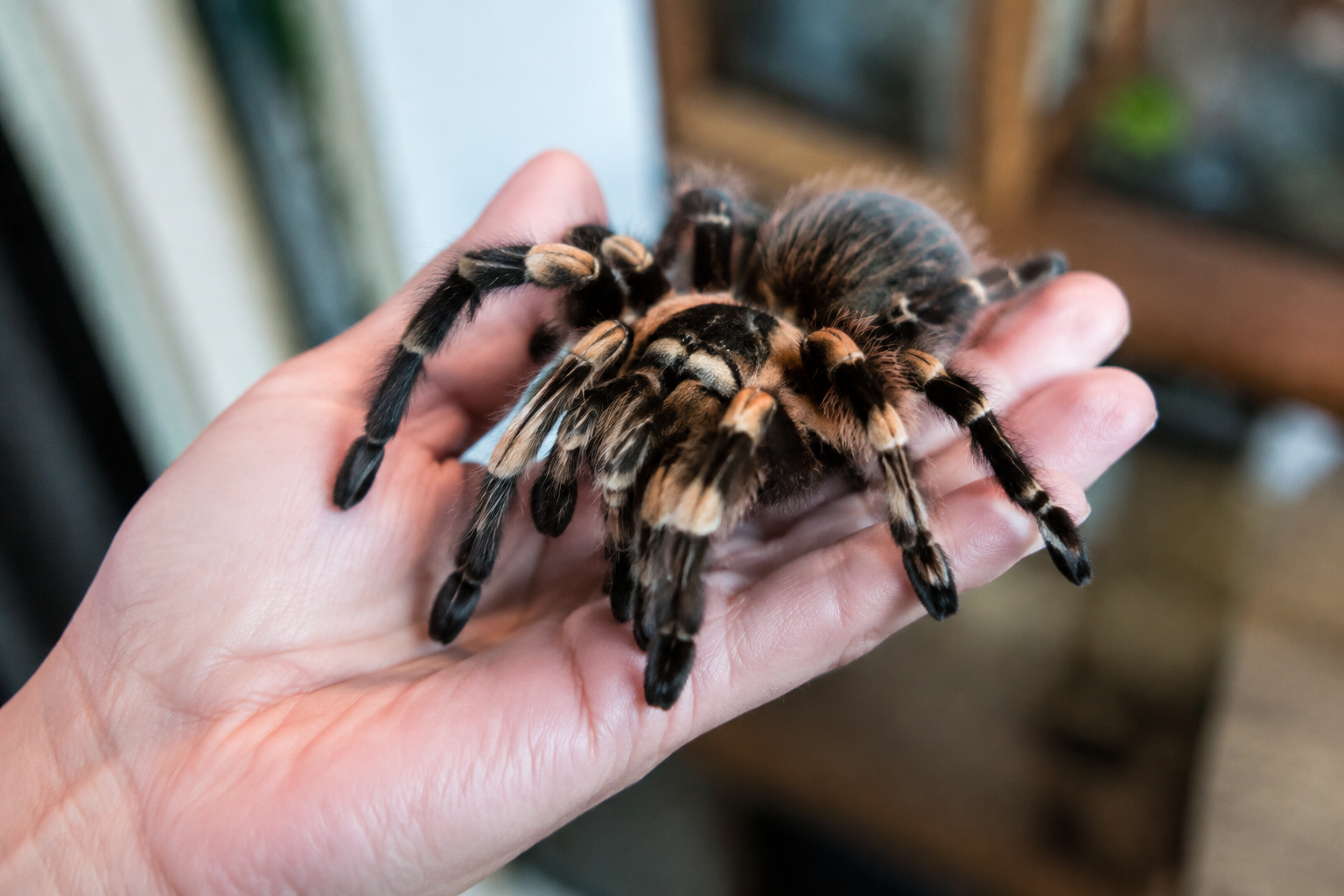
Pros and cons of owning a tarantula matter most when you are new and want a pet you can manage well. A tarantula can be fascinating, quiet, and surprisingly low-maintenance, yet it also demands respect, patience, and careful planning. Before you buy one, it helps to understand what daily life with this exotic pet really looks like.
Pros and cons of owning a tarantula
For beginners, tarantulas offer a very different pet experience from cats, dogs, or even reptiles. However, that difference is exactly why they appeal to many people who want a calm display animal with simple routines. You do not need walks, training sessions, or large amounts of space, but you do need consistency.
On the positive side, many tarantulas are quiet, odor-light, and budget-friendly compared with larger exotic pets. On the other hand, they are not interactive in the usual sense, and some species can be fast, defensive, or fragile. So, the best choice starts with realistic expectations, not excitement alone.
Another thing to consider is your comfort level with live prey, shed skins, and a pet that spends much of its life hiding. Because of that, beginners often do better when they choose a species known for calm behavior and manageable size. In short, the right setup matters as much as the spider itself.
Pros and cons of owning a tarantula for beginners
A tarantula can fit a small home very well. Moreover, the enclosure usually needs less floor space than many other exotic pet setups. That makes the species appealing for apartments, dorm rooms, or anyone with limited room.
Still, the pet is not a good fit for every beginner. Because tarantulas are delicate, even a short fall can cause serious injury, especially for arboreal species that live higher up. Therefore, calm handling habits and a well-planned enclosure are essential from day one.
Choosing the right species and understanding behavior
Species choice shapes the entire beginner experience. For example, some tarantulas are slow and tolerant, while others are skittish, venomous, or quick to bolt. As a result, new owners should research temperament, adult size, and adult housing needs before bringing one home.
Many beginners prefer terrestrial species, which spend most of their time on the ground. Conversely, arboreal species need taller enclosures and more vertical climbing space, while fossorial species prefer deep substrate for burrowing. Because of these differences, one “simple” tarantula setup does not fit every type.
Also, tarantulas do not respond to attention like social pets do. They can still be interesting to observe, and their behaviors around feeding, webbing, and molting are genuinely engaging. However, the enjoyment comes from observation, not interaction.
Pros and cons of owning a tarantula in daily life
One of the strongest pros is routine simplicity. Generally, a tarantula needs secure housing, correct humidity, fresh water, and regular food at age-appropriate intervals. Therefore, once the enclosure is stable, daily care stays light.
However, the same simplicity can mislead beginners. Because the pet seems easy, some owners underestimate enclosure security, ventilation, or substrate depth. Then small mistakes build up, and the spider becomes stressed or unsafe.
Enclosure setup, substrate, and environment
A proper enclosure should match the tarantula’s lifestyle. For most beginner species, a secure tank or terrarium with excellent ventilation works best, and the lid must close firmly. Since tarantulas are escape artists, even a small gap can matter.
Substrate should support the species. Terrestrial keepers often use a deep, pesticide-free coconut fiber or similar bedding that holds shape and allows light burrowing. Meanwhile, arboreal species need vertical anchor points, cork bark, and climbing structure, while fossorial species benefit from even deeper substrate.
Temperature and humidity should fit the species rather than a generic pet-store label. Many common beginner tarantulas do well in normal room temperatures with a mild gradient, and they usually need moderate humidity with good airflow. However, stagnant, wet conditions can lead to mold and stress.
Water should always be available in a shallow dish. In addition, a hide is important because tarantulas feel safer when they can retreat. Because comfort reduces stress, enclosure design should focus on security first and decoration second.
UVB, or ultraviolet B light, is not usually necessary for most tarantulas. Instead, stable ambient room light and a natural day-night rhythm are enough. So, avoid placing the enclosure in direct sun or using intense heat lamps that can overheat the animal.
Care routine, feeding, and maintenance
A simple care routine makes ownership much easier. First, check temperature, water, and enclosure security each day. Then, remove old food or obvious messes without disturbing the spider too much.
Feeding usually involves live prey such as appropriately sized crickets, roaches, or other feeder insects. Because prey should be smaller than the tarantula’s body, beginners should avoid oversized insects that may stress or injure the spider. After all, safe feeding is part of responsible husbandry.
Young tarantulas often eat more often than adults. However, adult feeding can slow down quite a bit, and a refusal to eat is not always an emergency. Molting, stress, temperature changes, and seasonal patterns can all affect appetite, so owners should watch behavior, not just feeding speed.
Cleaning should stay gentle. Remove uneaten prey after a reasonable period, spot-clean waste, and avoid stripping the enclosure too often. Since tarantulas rely on a stable environment, major cleanouts should be rare and careful.
Pros and cons of owning a tarantula during molts
Molting is one of the most important parts of tarantula care. During this process, the spider sheds its exoskeleton, which is its hard outer body covering. Because the spider becomes vulnerable, it should not be disturbed or fed when a molt is imminent.
That stage can look worrying to beginners, especially if the spider rests on its back. Nevertheless, this position is often normal and not a sign of distress. So, patience matters more than intervention.
Handling, safety, costs, and long-term commitment
Handling is not required, and beginners should treat it as optional at best. In fact, many keepers avoid handling completely because tarantulas can fall, stress easily, or move unpredictably. Instead, observe the spider inside its enclosure where it is safest.
For safety, wash your hands after any enclosure work and keep handling to an absolute minimum, if it occurs at all. Also, recognize that even calm species can react quickly when startled. Therefore, controlled, low-stress maintenance is the smarter long-term habit.
Costs are usually moderate, but they are not zero. The initial enclosure, substrate, hide, water dish, and setup supplies often cost more than the spider itself. Then ongoing costs include feeder insects, occasional substrate replacement, and possible veterinary consultation.
Legal checks matter too. Some places restrict exotic pets, and some ownership rules vary by species, city, or housing agreement. Because of that, confirm local laws and any permit needs before purchase.
Lifespan also deserves serious thought. Females of many species can live for many years, while males often live much less. So, a tarantula is a long-term commitment for many owners, not a short novelty pet.
Common beginner mistakes and a practical starter checklist
New owners often make the same preventable mistakes. First, they choose the wrong species because they like the appearance, not the behavior. Next, they use a tank that is too large, too damp, or too poorly ventilated.
Another common error is overhandling. Because tarantulas do not bond like mammals, handling usually adds risk without providing much benefit. Also, feeding too often or keeping prey in the enclosure too long can create stress and hygiene problems.
Some beginners also mistake normal hiding, fasting, or inactivity for illness. However, tarantulas often rest for long periods and may stop eating before a molt. If you see poor posture, injury, repeated falls, or unusual weakness, contact an exotic vet.
Here is a simple checklist before you buy:
- Research the species’ adult size, behavior, and housing needs.
- Confirm local legality and any permit requirements.
- Buy a secure enclosure with strong ventilation.
- Prepare correct substrate, a hide, and a water dish.
- Plan for feeder insects and a calm care routine.
- Identify an exotic vet before any problem starts.
Finally, remember that a beginner tarantula should match your lifestyle, not your impulse. If you want a low-touch pet with clear needs and a fascinating natural history, a tarantula can be a rewarding choice. Still, the best outcomes come from patience, preparation, and an honest look at the pros and cons of owning a tarantula.
