

Signs of kidney disease in senior cats can be subtle, and this guide offers general education only, not a diagnosis. However, early awareness can help you notice changes sooner and speak with your vet promptly.
Kidney disease is more common in older cats because the kidneys may slowly lose efficiency over time. As a result, the body may struggle to balance fluids, remove waste, and support normal appetite and energy.
In many senior cats, the earliest clues look like everyday aging at first. Still, small changes in drinking, litter box habits, or weight can matter, so it helps to watch patterns closely.
Understanding the condition in older cats
The kidneys filter waste from the blood, help control hydration, and support several body processes. When kidney function declines, waste can build up, and the cat may feel unwell in quiet, gradual ways.
Also, kidney disease can develop slowly, which makes it harder to notice than a sudden illness. Because of that, routine monitoring matters more for senior pets than many owners realize.
Some cats compensate well for a while. However, once the kidneys can no longer keep up, signs may become more obvious, especially around appetite, thirst, and bathroom habits.
Signs of kidney disease in senior cats to notice at home
The most common early change is increased thirst. For example, you may notice the water bowl empties faster, or your cat visits it more often.
At the same time, many cats urinate more. So, you might see larger clumps in the litter box, more frequent accidents, or a cat asking to go out of the box more often.
Signs of kidney disease in senior cats can also include weight loss. Even when a cat still eats some food, gradual loss of body mass may appear over weeks or months.
In addition, appetite may dip. A cat may seem picky, take longer to eat, or leave meals unfinished.
Other warning changes that matter
Vomiting can happen, and so can nausea-related behaviors. For instance, a cat may lick lips more, hide from meals, or move away from food after sniffing it.
Moreover, the coat may look less tidy. A cat that feels tired or nauseated may groom less, so the fur can look dull, greasy, or unkempt.
Bad breath can also appear. This happens because waste products may build up in the body, and the mouth can reflect that change.
Finally, some cats become quieter, weaker, or less social. Therefore, changes in energy and interest deserve attention, even if they seem mild at first.
Why kidney problems may develop
There is no single cause in every cat. Instead, kidney disease in senior pets often develops from age-related wear, previous illness, or long-term body changes.
Sometimes, dehydration can make the kidneys work harder than they should. Also, other health problems may place extra strain on an older cat’s system.
In general, dental disease, ongoing infections, or other chronic conditions can affect overall wellness. However, only a veterinarian can sort out what is happening in an individual cat.
What your vet may look for
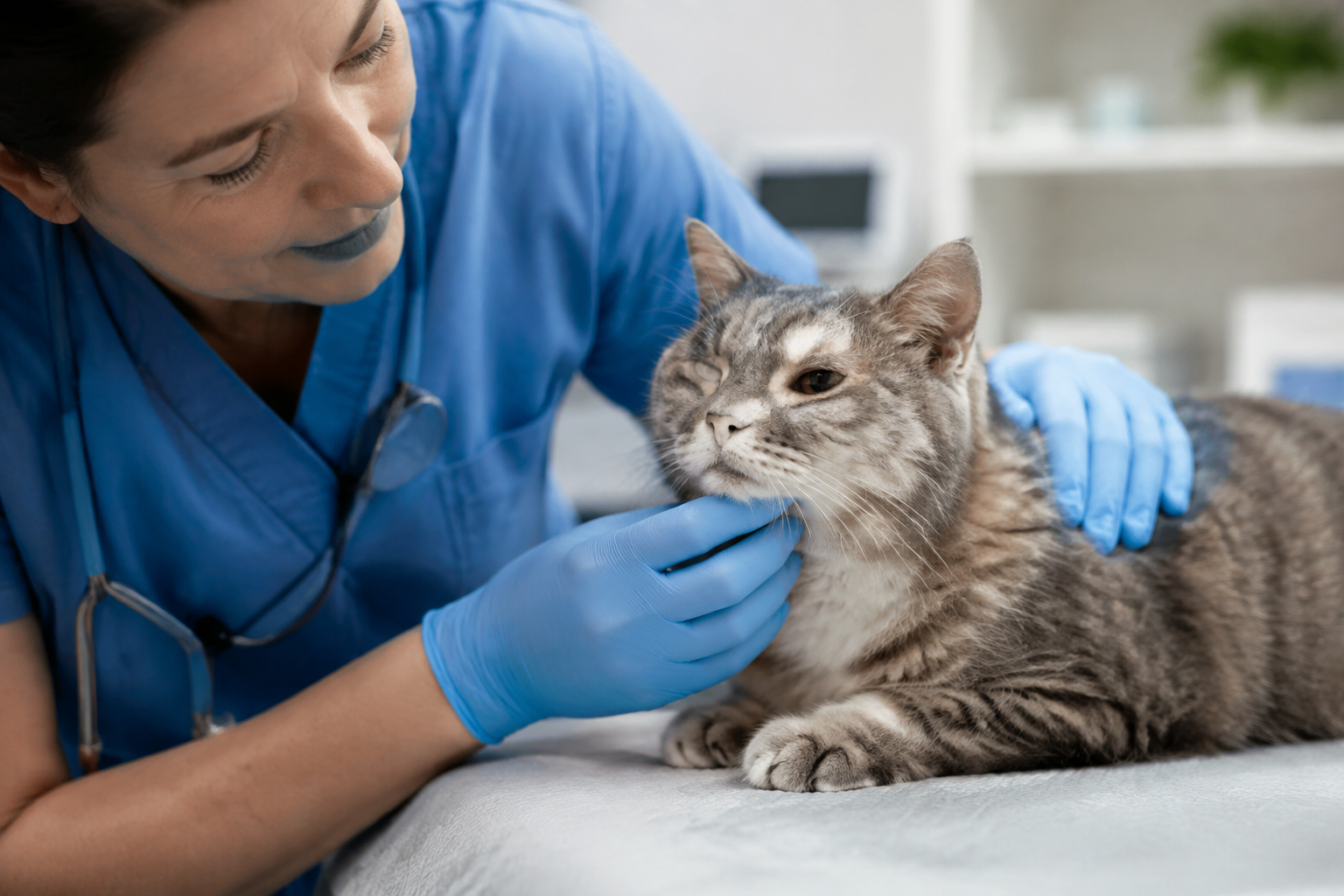
If you mention Signs of kidney disease in senior cats, your vet may start with a full history and physical exam. Then, they may ask about drinking, urination, appetite, weight, vomiting, and litter box habits.
Next, your vet may recommend basic tests to check kidney function and hydration. These may include blood work, urine testing, and sometimes blood pressure measurement, which helps assess overall risk.
Also, the vet may look for related issues that can affect older cats. For example, they may check weight trends, oral health, and signs of dehydration or discomfort.
These checks do not automatically mean something serious is happening. However, they help create a clearer picture, which matters because kidney issues often overlap with other senior cat concerns.
Signs of kidney disease in senior cats and the vet visit
During the visit, it helps to share specific details. For instance, note when you first saw increased thirst, how much your cat eats, and whether the litter box routine changed.
Additionally, photos or short notes can make patterns easier to spot. A simple log of water intake, appetite, and weight can be very useful.
If your cat is anxious at the clinic, tell the staff. They can often suggest calmer handling, which makes the exam smoother for everyone.
Safe care and monitoring at home
At home, the safest approach is supportive care, not guesswork. So, keep fresh water available, offer meals on a regular schedule, and watch for steady changes in behavior.
Also, make it easy for your cat to reach food, water, and the litter box. Older cats often do better when resources are close and the routine stays predictable.
Track appetite, drinking, urination, and body weight if you can. Even simple notes help you and your vet see trends over time, which is especially useful for senior pets.
Moreover, keep your cat comfortable and rested. Quiet spaces, easy box access, and gentle attention can support a cat that feels less energetic.
Signs of kidney disease in senior cats can shift gradually, so monitoring matters more than occasional guessing. If something stays different for more than a day or two, call your vet for advice.
Urgent red flags and common mistakes
Some changes need prompt veterinary care. For example, seek urgent help if your cat cannot keep water down, seems very weak, collapses, or stops eating entirely.
Also, go urgently if you see trouble breathing, severe lethargy, repeated vomiting, or signs of marked dehydration. Common clues include sticky gums, profound tiredness, and sunken-looking eyes.
In addition, a sudden inability to urinate, obvious pain, or a rapid decline deserves immediate attention. These signs can indicate a serious emergency, so do not wait and see.
One common mistake is assuming visible changes are “just old age.” However, seniors can hide illness well, and mild signs may still deserve a veterinary visit.
Another mistake is delaying care after hoping the issue will pass. Instead, contact your vet early, because timely evaluation often makes future decisions easier.
Finally, avoid giving any human medication or making major diet changes without veterinary guidance. Cats are sensitive, and even well-meaning changes can create new problems.
Signs of kidney disease in senior cats: practical checklist
If you want a simple plan, start here. First, watch water intake, litter box output, appetite, and weight each week.
Second, note any vomiting, bad breath, weakness, or coat changes. Then, contact your vet if these signs continue or worsen.
Third, keep routine care current, including senior checkups and preventive care. Tooth care, parasite prevention, and overall wellness visits can support health in older cats.
Finally, trust your observations. You know your cat’s normal habits, so small differences can be meaningful when they repeat.
Recognizing Signs of kidney disease in senior cats is about careful watching, not panic. With early vet input, calm home monitoring, and steady senior care, you can support comfort and quality of life while staying focused on what matters most for your cat.
