

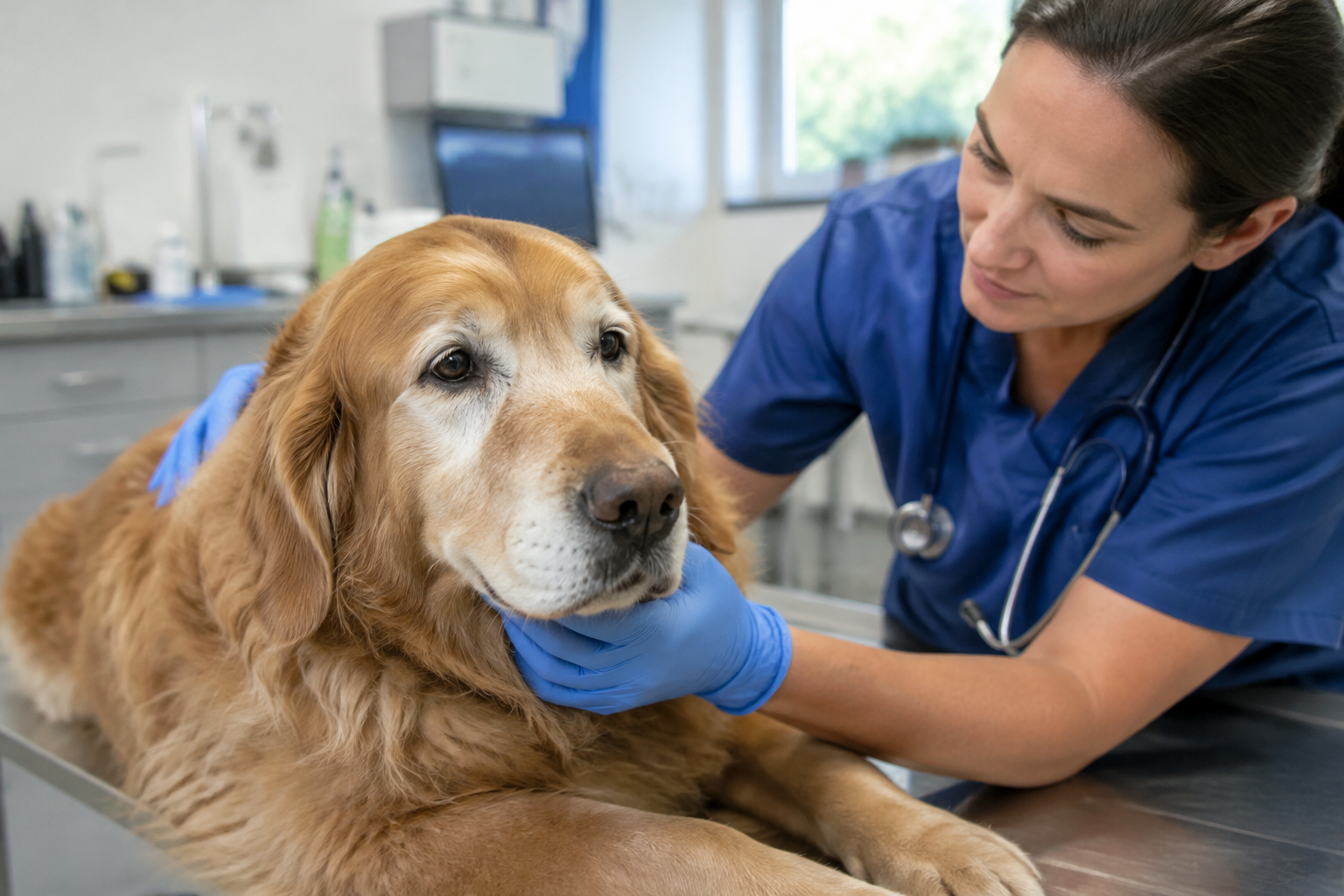
Signs of kidney disease in senior dogs can be subtle at first, yet early awareness helps protect comfort and quality of life.
Because this is general education only, it is not a diagnosis guide. However, it can help you notice changes early and know when to call your vet.
Understanding kidney health in older dogs
The kidneys filter waste, help balance fluids, and support many body processes. When they lose function, the body may struggle to keep up, especially in older dogs.
Senior dogs can live well with careful care, and many age-related changes are manageable. However, kidney changes often develop slowly, so the first clues may seem small.
Also, kidney concerns may overlap with other senior issues, such as dental disease, diabetes, or dehydration. Therefore, looking at the whole picture matters more than watching one sign alone.
Signs of kidney disease in senior dogs: early changes
One of the earliest changes is often increased thirst. As a result, you may notice a dog visiting the water bowl more often or asking to go outside at night.
Another early clue is more frequent urination. In some dogs, accidents begin indoors, even if house training has been reliable for years.
Appetite can also shift. Therefore, a dog that eats less, seems less interested in meals, or becomes pickier may need a veterinary check.
Energy changes matter too. For example, your dog may seem quieter, rest more, or tire faster on walks.
Signs of kidney disease in senior dogs: more noticeable symptoms
As kidney problems progress, vomiting or nausea may appear. You might also notice drooling, lip licking, or turning away from food.
Bad breath can be another clue. Sometimes it smells unusual or “chemical-like,” which may point to waste buildup in the body.
Weight loss may happen gradually. Meanwhile, muscles can look less full, especially over the back and hips.
Coat quality may also change. A dull coat, messy grooming, or a less tidy appearance can happen when a dog feels unwell.
Because these signs can overlap with other conditions, it is best to avoid guessing. Instead, track what you see and share it with your vet.
What may cause these changes
Several general factors can contribute to kidney trouble in senior dogs. Aging itself can reduce kidney reserve, which means the kidneys have less extra capacity than before.
In addition, chronic inflammation, infections, toxin exposure, and some long-term health conditions can affect kidney function. However, many causes are not obvious at home.
Some dogs develop kidney concerns after a sudden illness, while others change very slowly over time. Therefore, even mild symptoms deserve attention if they last or repeat.
Breed tendencies, blood pressure issues, and past medical history may also matter. Still, only a veterinarian can sort out the underlying reason.
What a vet may check
A vet will usually start with a full history and physical exam. They may ask about drinking, urination, appetite, weight, vomiting, and energy changes.
Then, they may recommend urine testing. This helps assess how well the kidneys concentrate urine and whether protein or infection may be present.
Bloodwork is also common. In simple terms, it helps evaluate waste products, hydration, and how the body is handling kidney work.
Sometimes, your vet may suggest imaging such as X-rays or ultrasound. These tools can help look at kidney size, shape, and nearby organs.
Because senior dogs often have more than one issue, your vet may check blood pressure and other overall health markers too. That broader approach helps guide safer care.
Signs of kidney disease in senior dogs that should prompt a visit
If you notice rising thirst and urination that lasts more than a few days, schedule a vet visit soon. Likewise, ongoing appetite loss should not wait.
Also, repeated vomiting, unexplained weight loss, or sudden fatigue deserve attention. Even if your dog still seems “mostly fine,” the pattern may be important.
It helps to bring notes. For example, write down when symptoms started, how often they occur, and whether they seem better or worse.
Safe care and monitoring at home
Home care should stay gentle and supportive. The safest steps include fresh water access, a calm routine, and watching for changes in drinking, urination, appetite, and comfort.
Because hydration matters, keep water bowls clean and easy to reach. If your dog prefers several bowls around the house, that can make drinking simpler.
However, do not force water or food. Instead, offer regular meals and note what your dog eats and how much.
Weight checks can help too. Even small losses may matter in a senior dog, so regular tracking gives your vet useful information.
Good preventive care also supports overall health. For example, staying current on parasite prevention and routine vet visits can help reduce avoidable illness that stresses the body.
Dental care matters as well, since poor oral health can affect eating and general wellness. Therefore, talk with your vet about safe dental planning for an older pet.
Signs of kidney disease in senior dogs and daily tracking tips
Keep a simple daily log if you can. Record water intake changes, urination habits, appetite shifts, and any vomiting or lethargy.
Also, watch the litter-free “patterns” in your home. For instance, accidents, hallway puddles, or new nighttime requests to go out may be meaningful.
Most importantly, use the log to support your vet visit. It can help reveal trends that are easy to miss day by day.
When symptoms need urgent care
Some changes need prompt veterinary attention. For example, repeated vomiting, weakness, collapse, or severe dehydration should be treated as urgent.
Also, contact a vet quickly if your dog cannot keep water down or stops eating altogether. A sudden drop in alertness is another serious warning sign.
Blood in urine, painful urination, or straining in the house should never be ignored. In addition, a dog that seems confused or very unsteady needs prompt evaluation.
If symptoms appear suddenly, do not wait for the next routine appointment. Instead, call your vet or an emergency clinic right away.
Mistakes to avoid
One common mistake is assuming change is “just old age.” While aging can explain some slowing down, ongoing thirst, vomiting, or weight loss need a real checkup.
Another mistake is delaying care because the dog still eats a little. However, partial appetite can hide a bigger problem.
It is also unwise to change food, supplements, or routines without veterinary guidance. Since kidney issues vary, one dog’s safe plan may not fit another.
Finally, avoid giving human medications or over-the-counter remedies without advice. Some products can be harmful, especially when kidney function is already strained.
Simple checklist for owners
- Watch for increased thirst and more frequent urination.
- Note appetite changes, vomiting, or nausea signs.
- Track weight, energy, and walking tolerance.
- Keep fresh water available in easy-to-reach spots.
- Book a vet visit if changes last more than a few days.
- Seek urgent care for collapse, repeated vomiting, or inability to keep water down.
- Keep up with dental care, parasite prevention, and senior wellness exams.
With steady observation and timely veterinary support, many senior dogs can stay comfortable for a long time. Most importantly, early attention gives your dog the best chance for a calm, well-managed plan.
When you understand the signs of kidney disease in senior dogs, you can respond with confidence and care. If anything feels off, trust your instincts and contact your vet.
