

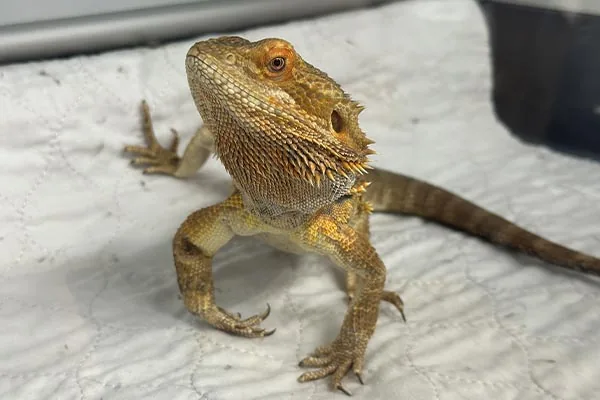
When cold weather comes, especially in areas that experience significant climate changes as the seasons change, there are some steps all reptile owners should take to help ensure their pets stay happy and healthy throughout the winter. With a few minor differences, the concerns for snakes, lizards, turtles and tortoises remain the same. Continue to read to learn about the different ways to help with winterizing your reptile to ensure they stay safe and healthy.
Keep Them Warm
First, all of these “cold blooded” animals, whose body temperatures adjust to the surrounding environment, require supplemental heat for proper digestion, immune function and metabolism when they are housed indoors. This is especially true when temperatures may drop in our homes during winter.
A reptile that may not need additional heat from an over-the-tank heat bulb or an under-the-tank heating pad during the summer may need these added heat sources during winter. This is especially true for certain reptiles like tortoises that require high temperatures to remain healthy. The best way to determine whether your reptile’s cage temperature is adequate is to have an infrared laser temperature gun that you can “point and shoot” at areas in the tank where your pet tends to hang out. Different species require different optimal temperatures, but at least with a temperature gun, you can get an accurate idea of what your pet’s tank temperature is and compare it to the recommended temperature range of the species. Recommended temperature ranges can be found through several reliable sources. If you do not have a temperature gun, at minimum, you should have thermometers that stick on to the inside of the tank so that you can monitor the tank for changes.
Any heat source should be plugged into a thermostat that is set to turn the source on and off in order to maintain temperatures within a prescribed range. This helps limit the risk of burning the pet as well as reduces the risk of setting an electrical fire. So-called “hot rocks”—fake rocks that contain a heating element—should not be used with reptiles. These items cannot adequately heat a tank and many reptiles lack the necessary sensation in their abdomens to prevent a burn if they sit on them for too long. Finally, those reptiles that live in water, such as turtles, must have their water temperatures reassessed when the air temperature drops in winter. If the water temperature declines significantly, additional water heaters must be added.
Let There Be Light
In addition to warmth, nearly all reptiles require ultraviolet (UV) light to produce vitamin D in their skin. This enables them to absorb calcium and phosphorus from their food. While many reptiles are brought outside into direct sunlight during warm months to fulfill this need, colder weather makes that impossible. Since glass filters out vital UV rays, placing the tank near a window isn’t adequate either. Direct UV light must be provided with a UV bulb designed specifically for reptiles that shines over the cage, ideally for 10 to 12 hours each day. Depending upon the manufacturer, the bulb must be changed every 6 to 12 months to ensure proper UV exposure. The onset of cold weather is a perfect time to check that your UV bulb is up to date!
Scaly Skins Need Moisture
With cold weather comes dry air. Most reptiles rely on environmental humidity to stay hydrated and shed their skin properly. Without adequate humidity, reptiles, including snakes and several species of lizards, can become dehydrated and sick and may retain large sections of skin when they try to shed. If the air in your home gets really dry in cold weather, mist your reptile (or soak him in a shallow bowl of warm water) several times a week. Provide a shallow bathing dish into which he can crawl. Adding sphagnum moss or wet paper towels to the tank may help retain humidity but just be sure to change these moist items daily, so that they don’t become moldy.
Say No to Hibernation!
I often hear reptile owners say that during colder months, their pets go into hibernation – they stop eating and moving around much until warm weather returns. Their metabolism and digestion slows down, and their immune systems may not function optimally. Some people actually put their reptiles into dark cool closets to promote this activity, thinking that they are helping their pet with a natural behavior. In the wild, reptiles hibernate in response to a lack of food availability and cooler temperatures during the winter. In captivity, however, the goal is to keep tank temperatures constant, within the pet’s ideal range, and to make food plentiful all year round. Conditions shouldn’t change with the season for a pet reptile. Hibernating pets may be more predisposed to developing infections and metabolic diseases; thus, hibernation should be avoided for pets.
Taking Steps for Winter Welfare
Exotic pets can be fascinating and truly rewarding to care for. But, in general, when we take exotic animals from a tropical environment and keep them as pets in cooler climates, we also have a responsibility to make sure we can provide them with adequate warmth, no matter what the weather is doing outside. Winterizing for these pets should also include making sure you have a plan in place in case the power goes out. Such a plan could be having a generator on stand-by or making arrangements with your veterinarian to board them in an emergency. And if you have questions about how to properly care for your exotic pets during the winter time, be sure to ask your veterinarian.
Every fall, millions of people living in areas where winters are harsh take all kinds of measures to protect their cars and homes from the cold. Given how valuable our pets are, why wouldn’t we “winterize” them as well, especially if it means we can protect their health with just a few simple steps? With the tips I’ve provided, I hope all exotic pet owners will start winterizing your reptile moving forward!
