

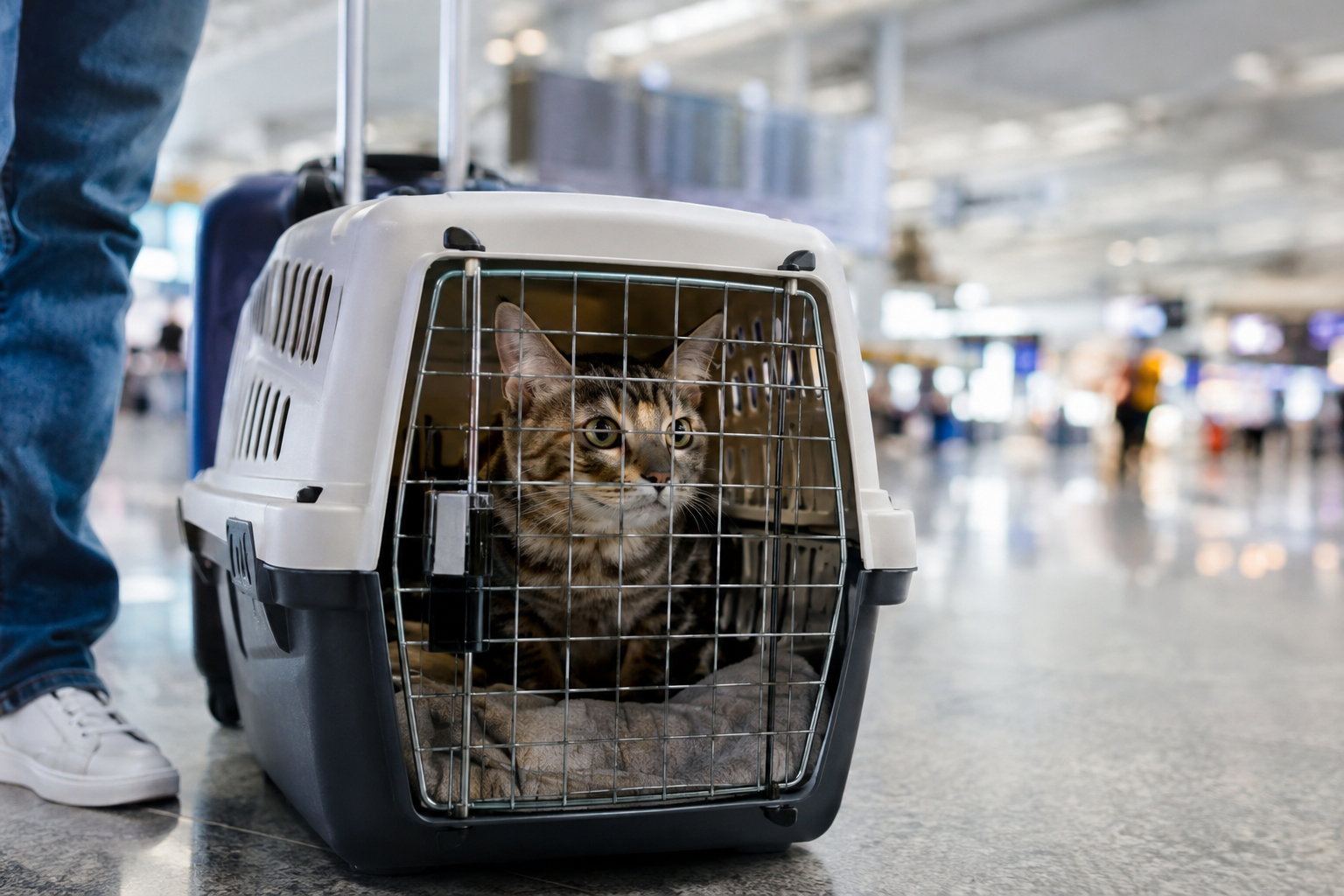
If you are wondering how to fly internationally with a cat, you are likely juggling worry, paperwork, and a very opinionated pet. However, with the right planning, you can make the trip safer, calmer, and far less stressful for both of you. This guide explains the documents, carrier choice, airline steps, health checks, and practical comfort tips you need before departure.
How international cat air travel works
International cat travel involves more than booking a seat and packing a carrier. In most cases, you must follow airline rules, meet destination entry requirements, and complete veterinary paperwork before travel day. Therefore, the process works best when you start early and confirm details several weeks in advance.
Most countries ask for health records, vaccines, and sometimes parasite treatment or microchip details. Additionally, airlines often limit the number of pets in the cabin, and some routes require cargo transport instead. Because rules change often, you should always verify the latest requirements with your airline, your vet, and the destination authority.
How to fly internationally with a cat: start with the country rules
Before you do anything else, research the destination country’s pet entry rules. For example, some countries need an import permit, while others focus on vaccines and a recent health certificate. Consequently, the earlier you check, the fewer surprises you face later.
Ask these questions first:
- Does the country allow cats in the cabin, cargo hold, or both?
- Does the cat need a microchip before vaccinations?
- Are rabies vaccines required, and when must they be given?
- Does the country require a blood test or waiting period?
- What veterinary documents must arrive before or after travel?
How to fly internationally with a cat: choose the right airline and route
Not every airline handles pets the same way. Therefore, compare pet policies before you buy a ticket, and read the fine print carefully. Some airlines allow cats only on certain routes, while others restrict pet travel during extreme temperatures or busy seasons.
Whenever possible, choose a direct flight. In contrast, connecting flights add more waiting, more handling, and more chances for delays. A shorter trip usually helps your cat stay calmer and reduces the risk of missed connections.
Preparing documents, vet visits, and travel gear
Good preparation makes international travel much easier. First, schedule a vet visit early enough to meet all timing rules, especially if your destination needs vaccines, certificates, or parasite treatment. Additionally, ask your vet to review the full route, not just the final destination.
Your vet may need to complete or sign forms within a specific time window before departure. Therefore, keep all papers in one folder and make copies. You should also photograph every document, because that backup can help if something gets misplaced.
Pack these essentials before departure:
- Pet passport or vaccination record, if your route uses one
- Health certificate and any required entry forms
- Microchip number and proof of implantation
- Approved carrier that fits airline rules
- Travel water bowl and a small supply of food
- Absorbent pads or liner for the carrier
- Any medication your vet approves for travel
The carrier matters just as much as the paperwork. Choose a sturdy, well-ventilated carrier that gives your cat enough room to turn around and lie down comfortably. However, it should still fit the airline’s size limits if your cat travels in the cabin.
How to fly internationally with a cat: get your cat comfortable with the carrier
Do not introduce the carrier on travel day for the first time. Instead, leave it open at home so your cat can explore it over several days or weeks. You can add a familiar blanket or a worn T-shirt, because the familiar smell can reduce stress.
Then, practice short sessions in the carrier and reward calm behavior. Close the door for brief periods, carry the crate around the home, and help your cat learn that the carrier means safety, not punishment. As a result, the airport experience usually feels less frightening.
For flight day, focus on calm, timing, and safety
Travel day goes more smoothly when you keep the routine simple. First, feed your cat according to your vet’s advice and your flight timing. Many cats do better with a light meal before travel, but you should always follow professional guidance for your pet’s needs.
Arrive early, because check-in and pet screening can take longer than usual. Additionally, keep your documents, leash, and carrier easy to reach. If airport staff need to inspect the cat or the crate, you will move faster when everything stays organized.
At security, follow staff instructions carefully. In many airports, you may need to remove the cat from the carrier while the carrier goes through screening. Therefore, use a secure harness or ensure you can safely hold your cat during the process.
For additional tips on making long flights comfortable for your pet, you may want to learn how to prepare dogs for long flights. Even though it’s about dogs, it offers useful strategies that can apply to travel with cats as well.
Cat comfort during the flight
During the flight, keep your voice calm and your movements slow. However, avoid opening the carrier unless staff instruct you to do so. A secure cat inside a closed carrier is safer than a loose cat inside a busy airport or plane cabin.
Offer water when appropriate, and watch for signs of stress such as heavy panting, trembling, or nonstop vocalizing. If your cat seems unwell, alert airline staff or a veterinary professional as soon as possible. In addition, never give sedatives unless your vet specifically recommends them, because some medications can create serious breathing risks at altitude.
Budget, timing, and common mistakes to avoid
International cat travel can cost more than many people expect. Fees may include airline pet charges, vet visits, vaccines, certificates, microchip updates, and possible import paperwork. Consequently, you should budget for a range rather than a single fixed amount.
Timing matters just as much as money. Some requirements take weeks or even months to complete, especially if your destination needs special lab tests or waiting periods. Therefore, start planning as soon as you know your travel dates.
Common mistakes to avoid:
- Booking a flight before checking pet rules
- Waiting too long for a vet appointment
- Buying a carrier without measuring airline limits
- Assuming every country accepts the same documents
- Using calming medication without veterinary approval
- Forgetting to confirm return-entry rules for your home country
One of the biggest mistakes involves assuming the rules stay the same. However, airlines and countries update policies often, especially for seasonal or public health reasons. Always recheck requirements close to departure, even if you already reviewed them earlier.
Final checklist before you go
A short checklist can reduce last-minute panic and help you stay organized. First, confirm the flight booking allows your cat. Next, verify the destination’s entry rules and the airline’s current pet policy.
Use this quick pre-flight check:
- Vet visit completed
- All paperwork signed and dated correctly
- Carrier approved and labeled
- Microchip and vaccine records ready
- Food, water, and comfort items packed
- Arrival plans arranged at the destination
For a comprehensive guide on preparing for travel with pets, another helpful resource is how to prepare dogs for long flights. It covers detailed planning tips that are valuable for any pet travel scenario.
Finally, build in extra time for delays, document checks, and your cat’s stress level. A calm pace helps more than rushed decisions, and your cat will feel that difference. If you want the trip to go smoothly, plan early, verify every rule, and keep comfort at the center of every choice. With careful preparation, how to fly internationally with a cat becomes far less intimidating and much more manageable.
