
Close Menu
GenzyPets

    Subscribe to Updates

    Get the latest creative news from FooBar about art, design and business.

    What's Hot

    Why Is My Chinchilla Chewing Everything? Understanding Their Need to Gnaw

    Abigail’s House Of Buns – Chapter 104 – Big Girl Ears

    Top Tunnels For Your Pet — Animal Hearted Apparel

    Facebook X (Twitter) Instagram
    Trending
    • Why Is My Chinchilla Chewing Everything? Understanding Their Need to Gnaw
    • Abigail’s House Of Buns – Chapter 104 – Big Girl Ears
    • Top Tunnels For Your Pet — Animal Hearted Apparel
    • Love is in the Air: Gizmo’s Valentine’s Treat Guide | Small Pet Select Blogs
    • Which Small Animal Species is Right For You? – Mazuri
    • February, 14, 2026: Top Cuties of the Week
    • Grief affects everyone differently. Here’s a rabbit and human perspective.
    • 4 Care Tips to Help Your Gecko Thrive – Mazuri
    Facebook X (Twitter) Instagram
    GenzyPets
    Wednesday, July 29
    • Home
    • Birds
      • Budgies
      • Canary Care
      • Cockatiels
      • Lovebirds
    • Chinchillas
      • Chinchilla Care
      • Chinchilla Food
      • Chinchilla Health
      • Chinchilla Cages
    • Ferrets
      • Ferret Behavior
      • Ferret Care
      • Ferret Food
      • Ferret Health
    • Fish & Aquatic Pets
      • Aquarium Care
      • Betta Fish
      • Goldfish
      • Shrimp Tanks
    • Guinea Pigs
      • Guinea Pig Breeds
      • Guinea Pig Care
      • Guinea Pig Diet
      • Guinea Pig Health
    • Hamsters
      • Dwarf Hamsters
      • Hamster Care
      • Hamster Food
      • Syrian Hamsters
    • Hedgehogs
      • Hedgehog Care
      • Hedgehog Diet
      • Hedgehog Habitat
      • Hedgehog Health
    • Mice & Rats
      • Mouse Care
      • Pet Mice
      • Pet Rats
      • Rat Care
    • Rabbits
      • Rabbit Breeds
      • Rabbit Care
      • Rabbit Nutrition
      • Rabbit Training
    • Reptiles
      • Bearded Dragons
      • Leopard Geckos
      • Small Snakes
      • Turtles
    GenzyPets
    You are at:Home»Reptiles»Small Snakes»3 Tips for Healthy Feeders
    Small Snakes

    3 Tips for Healthy Feeders

    PawvistaBy PawvistaJuly 28, 2026004 Mins Read
    Share Facebook Twitter Pinterest LinkedIn Tumblr Email
    3 Tips for Healthy Feeders
    Share
    Facebook Twitter LinkedIn Pinterest Email
    3 Tips for Healthy Feeders


    1. Home

    2. Reptile Blog


  • Guides

  • Insects

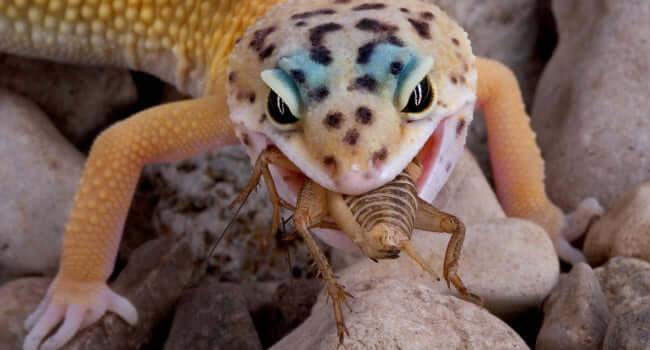
  • As we all know the healthier your live food is the better it will be for your pet reptiles and amphibians, but if you’re wondering how to look after your live food, we have a few tips to ensure your pet’s nutrition. Whether you’ re feeding crickets, locust or mealworms you’ll want them to last the longest they possibly can and contribute as much to your pet’s diet as possible. In this blog we’ll discuss the three most important factors to keeping your live food, well, alive – a healthy diet, hydration and living space.

    3 Ways to Keep Live Food Healthy

    Keeping feeder invertebrates in top condition is essential for your pet’s wellbeing because what your insects eat becomes the vitamins, calcium, and protein your reptile receives. Aim for a balanced diet using fresh veg plus a quality supplement powder, and remember many feeders (from mealworms to roaches) prefer to feed at night. Provide hydration so they can drink, and add egg cartons or cardboard tubes to increase surface area and reduce trampling. Healthy feeders generally live longer and gut-load better, improving nutrition for most reptiles and amphibians before feeding.

    1. Healthy Diet

    Live food diet

    Diet is one of the most important factors in keeping and preparing live food. Essentially all of the good nutrition and supplements you feed your live food will naturally pass to your pet reptile or amphibian. A good organic diet will include salad leaves, soft fruits and vegetables (e.g. tomato and pepper). These can be dusted with supplements in small amounts allowing the live food to provide both minerals and nutrition to your pets diet. There are also complete powdered diets like ‘bug grub‘ which include all of the necessary components plus vitamins and calcium. As long as food is readily available 24 hours a day your live food will not starve and should thrive, grow and perhaps even breed.

    2. Hydration

    live food hydration

    The main cause of death with live food is dehydration. Most reputable vendors will package their live food with a basic food-based substrate but there is no easy way to provide hydration in the packaging. When at home the cheapest and most available option would be to fill a bottle cap with some water and put that in packaging to act as a small water bowl. You may find that depending on the size of your live food some may drown in the makeshift water bowl so take the sizing into consideration. However, all in all, you will have improved your live food’s longevity by around a week. There are various gel based alternatives on the market which offer hydration without the chance of drowning but they require a small dish which isn’t really an option in such cramped conditions.

    3. Living Space

    live insects living space

    Once your set up with a source of hydration and you have your basic food substrate the next highest cause of death will be trampling and bullying. If not given enough space crickets and locusts tend to trap each and trample each other or simply attack and eat each other. To avoid this, the best option is a larger flat plastic container like a faunarium or cricket keeper. These larger enclosures tend to provide more space and better ventilation for your live food and provided all other conditions are met (diet and hydration), it should prevent your live food from accidentally trampling each other. Most live foods will not need specialist heating and as long as your storage space stays between the extremes (3-20C) your live food should not perish.

    Wrapping Up

    In a larger enclosure you have the option to implement different sources of hydration and food. Rather than using a bottle cap full of water you could use a small dish with bug gel which eliminates the risk of drowning. You also have the space to implement a dish of ‘gut loading’ foodstuffs increasing the nutritional and mineral value of your live food and ensuring your pet is getting the most nutritionally complete live food possible. By ensuring you are excelling in the three criteria you can expect your live food to live far longer. You will also be providing your pet with a healthier diet ensuring they are getting all the nutrition they require to thrive in captivity.


    More from

    >


    Guides

    Insects

    Feeders healthy tips
    Share. Facebook Twitter Pinterest LinkedIn Tumblr Email
    Previous ArticleWhy Is My Betta Fish Turning White
    Next Article Rabbits! Are you doing anything special this weekend?
    Pawvista
    • Website
    • Facebook
    • X (Twitter)
    • Pinterest
    • Instagram
    • LinkedIn

    Related Posts

    4 Care Tips to Help Your Gecko Thrive – Mazuri

    July 29, 2026

    Royal Python Morphs Explained – 5 Top Picks With Pictures

    July 29, 2026

    How to Use Mercury Vapour Lamps for Reptiles: Benefits & Tips

    July 29, 2026
    Add A Comment
    Leave A Reply Cancel Reply

    Top Posts

    The Pros and Cons to Owning an Alaskan Malamute – Fantastic Furries

    July 27, 20266 Views

    Read This BEFORE You Get a New Ferret – The Modern Ferret

    July 27, 20265 Views

    Rabbit Teeth Grinding: What Is It & Why Do They Do It

    July 27, 20263 Views
    Stay In Touch
    • Facebook
    • YouTube
    • TikTok
    • WhatsApp
    • Twitter
    • Instagram
    Latest Reviews

    Subscribe to Updates

    Get the latest tech news from FooBar about tech, design and biz.

    About us

    Welcome to GenzyPets.com, your trusted source for everything related to micro pets and small companion animals.

    At GenzyPets, we believe that every pet deserves the best care, whether it's a hamster, guinea pig, rabbit, hedgehog, chinchilla, ferret, bird, reptile, fish, or any other small pet. Our mission is to provide pet owners with reliable, easy-to-understand, and practical information to help them give their pets healthy and happy lives.

    Most Popular

    The Pros and Cons to Owning an Alaskan Malamute – Fantastic Furries

    July 27, 20266 Views

    Read This BEFORE You Get a New Ferret – The Modern Ferret

    July 27, 20265 Views

    Rabbit Teeth Grinding: What Is It & Why Do They Do It

    July 27, 20263 Views

    Subscribe to Updates

    Get the latest creative news from FooBar about art, design and business.

    © 2026 GenzyPets.com. All Rights Reserved.
    • Terms & Conditions
    • Privacy Policy
    • Contact Us
    • About Us

    Type above and press Enter to search. Press Esc to cancel.