

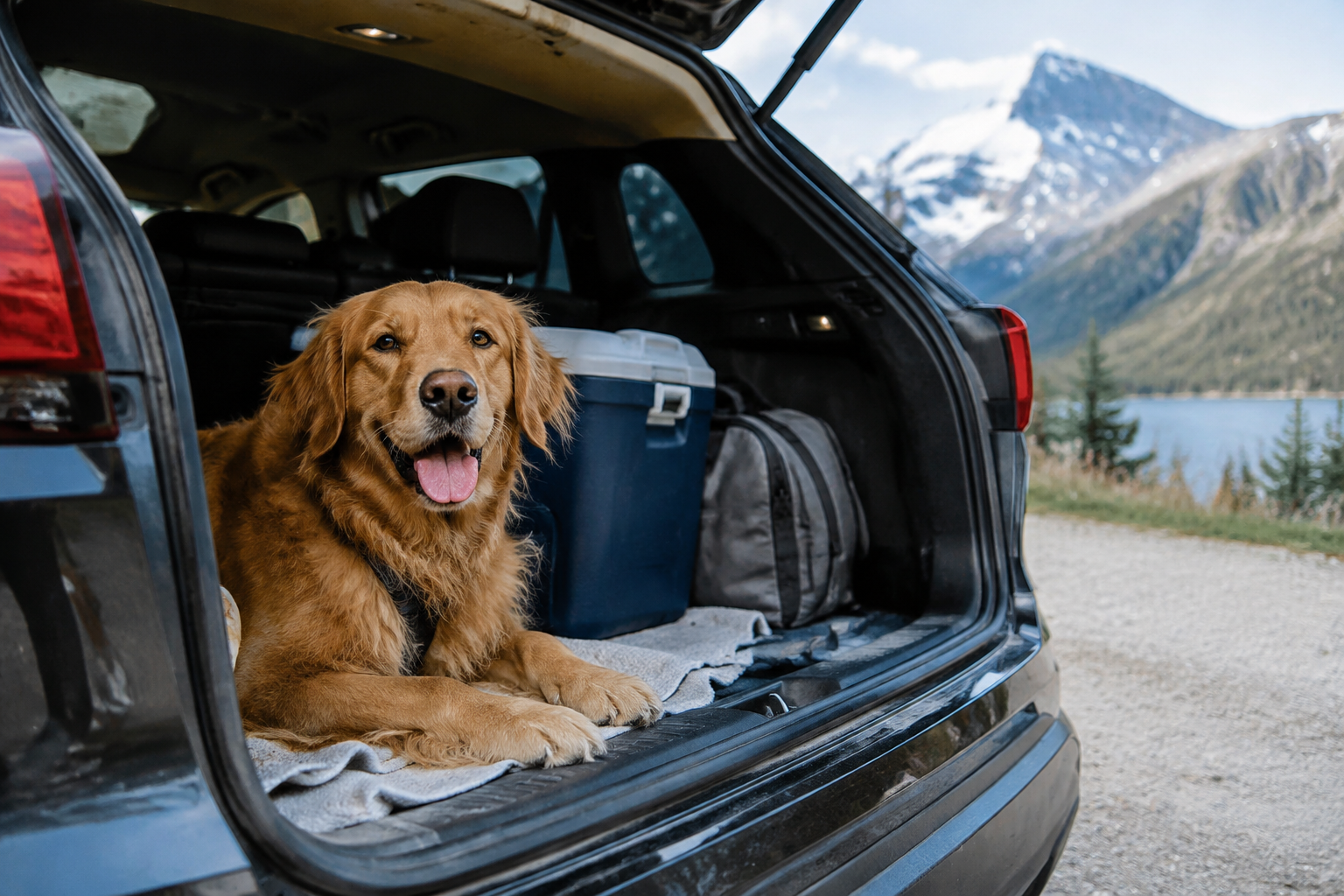
If you are wondering how to prepare dog for long road trip, you are already ahead of the game. A calm, organized plan can turn a stressful drive into a safe and comfortable journey for both of you. In this guide, you will learn how to get your dog ready, what to pack, how to plan breaks, and which mistakes to avoid.
Long drives can be exciting, but they also bring new smells, sounds, and routines. Therefore, your dog may feel restless, overexcited, or uneasy without proper preparation. The good news is that most road trip problems are preventable when you start early and build a few simple habits.
How to prepare dog for long road trip
When people ask how to prepare dog for long road trip, the answer starts with planning, not packing. Begin a few days or weeks ahead, especially if your dog rarely rides in the car. Additionally, think about your dog’s health, temperament, and daily routine before you leave.
First, schedule a vet visit if your dog has any medical concerns, anxiety, or motion sickness. Your veterinarian can check fitness for travel and suggest safe options if needed. However, avoid trying a new medicine on travel day unless your vet recommends it.
Next, make the car feel familiar. Let your dog sit inside the parked vehicle, then practice short drives. Consequently, your dog learns that the car does not always mean a long, confusing trip.
Build comfort before the first mile
If your dog gets nervous, start with short positive rides. For example, drive to a park, a quiet street, or another pleasant place. Then reward calm behavior with praise, treats, or a favorite toy.
In addition, keep a consistent tone and routine. Use the same harness, blanket, or travel bed each time. Familiar items help reduce stress because they smell like home.
Also, exercise your dog before travel day. A good walk or play session can lower excess energy. As a result, your dog may settle faster once the car starts moving.
Dog travel essentials to pack
Planning how to prepare dog for long road trip also means packing smart. A well-packed bag saves time and helps you respond to accidents, hunger, or anxiety. Therefore, keep your items easy to reach rather than buried under luggage.
- Water and a spill-resistant bowl
- Regular food and a measuring scoop
- Leash, collar, and ID tag
- Waste bags and cleaning wipes
- Towel or blanket for comfort
- Any medications and vet instructions
- Health records and vaccination proof
- Favorite toy or chew item
- Carrier, crate, or barrier if you use one
Furthermore, store documents in one folder or pouch. If you cross state lines, stay at pet-friendly hotels, or need emergency care, those papers can save time. Also, keep your dog’s microchip details updated before you leave.
Safety setup for the car
Your dog should ride safely from the start of the trip. A loose dog can distract the driver and get hurt during sudden braking. Therefore, use a crash-tested crate, a secure harness, or a vehicle barrier that fits your car.
Never let your dog ride with its head fully out the window. Although it may look fun, wind, debris, and sudden movement can cause injury. Additionally, keep windows only slightly open for ventilation when your dog rides inside.
Temperature matters just as much as restraint. Never leave a dog alone in a parked car, even for a few minutes. Heat builds quickly, and cold can also become dangerous during long stops in winter.
How to prepare dog for long road trip with breaks and routines
Road trips work best when you copy your dog’s normal rhythm. For example, feed at the usual time when possible, and avoid a large meal right before departure. However, do not skip food all day unless your vet advises it for motion sickness.
Plan regular stops every two to four hours, depending on your dog’s age and needs. At each stop, offer water, a potty break, and a short walk. Consequently, your dog can stretch, relax, and reset before getting back in the car.
Additionally, keep your dog on leash during every stop. Even calm dogs can bolt when they hear traffic or see a new place. A secure harness with an ID tag gives you a better chance of staying in control.
If your dog gets carsick, talk to your vet before the trip. You may need a slower feeding schedule, more airflow, or a different seating position. Meanwhile, small and calm breaks often help sensitive dogs travel more comfortably.
Comfort, anxiety, and health considerations
Some dogs love road trips, but others need extra support. If your dog trembles, pants heavily, drools, or refuses to settle, stress may be the issue. Therefore, watch behavior closely during the first part of the drive.
Use calming strategies that feel natural and safe. A familiar blanket, soft music, or a quiet voice can help. In contrast, loud shouting or constant handling can increase anxiety.
Also, consider your dog’s age and condition. Puppies, seniors, and dogs with joint pain may need more breaks and softer bedding. Furthermore, dogs with medical conditions may need a travel plan approved by a veterinarian.
Food and water deserve attention too. Offer small water amounts during stops, and avoid overfeeding in the car. This approach can help reduce stomach upset and make cleanup easier if your dog feels unwell.
Common mistakes to avoid
Many road trip problems come from simple oversights. However, once you know the risks, you can prevent most of them. The most common mistake is waiting until travel day to test anything new.
- Starting the trip without practice rides
- Using a harness, crate, or barrier that does not fit properly
- Feeding a heavy meal right before departure
- Skipping water because you fear accidents
- Leaving your dog unattended in the car
- Forgetting ID tags, records, or medications
- Not planning enough stop points
Additionally, avoid changing too many routines at once. A new car setup, new food, and a new sleep schedule can overwhelm a nervous dog. Therefore, keep the plan simple and familiar whenever possible.
Finally, do not assume every destination accepts dogs the same way. Hotels, parks, restaurants, and rental properties may have different rules. Always confirm policies before you arrive.
Simple checklist before departure
If you want one quick review before leaving, use this short list. It keeps the day organized and helps you catch missing items. Consequently, you can focus on the drive instead of last-minute problems.
- Confirm your vet visit or health plan if needed
- Pack food, water, leash, waste bags, and medications
- Secure a crate, harness, or barrier in the car
- Test a short drive before the long trip
- Plan rest stops every few hours
- Save emergency contacts and destination rules
- Bring comfort items your dog already knows
Also, check your route for pet-friendly rest areas and safe parking. A little planning can make the trip smoother for everyone in the car.
Learning how to prepare dog for long road trip is really about building comfort, safety, and predictability. When you plan ahead, pack carefully, and respect your dog’s needs, the road feels much less daunting. Therefore, you can travel with more confidence and give your dog a calmer, safer journey from start to finish.
