

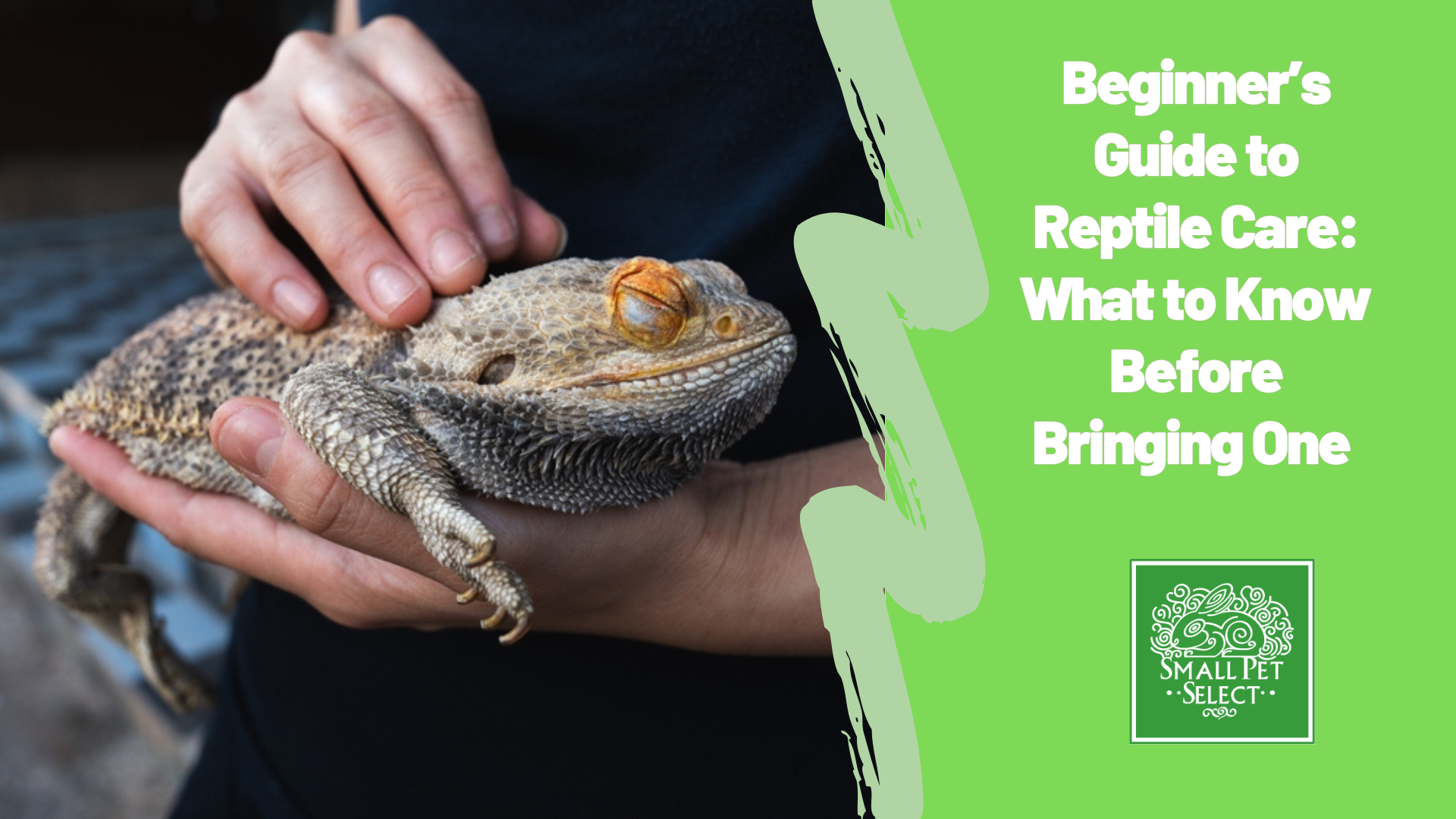
Providing reptile care for your pet companion isn’t just about food and housing; your shelled pals and scaled buddies may not adapt well and could even develop diseases if other essential needs are absent.
So, before you bring home a snake, lizard, chameleon, tortoise, or turtle, you need to know how reptile care works. Reptiles thrive best in roomy habitats with consistent lighting, proper bedding, and a balanced diet.
In this guide, we cover the key considerations before bringing one home, including lifestyle choices, nutrition, habitat, handling, and other factors essential for proper reptile care.
Reptile Care: Choosing the Right Species
Proper reptile care begins with selecting a species that aligns with your lifestyle and climate. Generally, the most suitable ones should feel comfortable with spontaneous touches and be able to eat and settle into a new environment without a fuss.
Things to consider before deciding
- Commitment: Many reptiles live 10 to 30 years. Can you commit your time and attention throughout their lifetime?
- Space: Consider the amount of room your reptile might need when it matures.
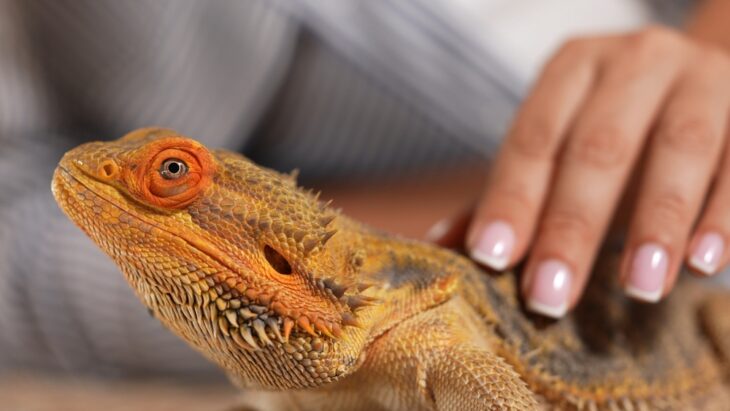
- Handling: Breeds like snakes tend to dislike constant touch, but a few lizards, such as Tegus and Blue-tongued Skinks, enjoy being petted.
- Weather: Tropical species prefer warm, humid environments, whereas desert dwellers prefer dry, warm conditions.
Beginner reptile options
- Leopard Gecko: Resilient, docile, and suitable for small enclosures.
- Bearded Dragon: Enjoys being held, eats regularly, and requires constant lighting.
- Corn Snake: Good-tempered, easy to care for, and of a slightly small size
- Russian Tortoise: Simple meals and moderate activity levels.
Setting Up the Proper Environment for Reptile Care
Once you’ve chosen a reptilian friend, the next step is to establish a homely habitat. Moderate temperatures, lighting, and humidity are all crucial aspects of reptile care, which can improve their overall well-being.
Here’s what you need to get it right:
Enclosure
Space needs vary depending on the species. For terrestrial reptiles, create a floor area at least the length of their body.
Perching species will require 2 to 3 times their length for climbing space. A few extra items can also draw their attention:
- Shelter: Provide a comfortable hiding spot for them to relax in.
- Climbing branches: Let arboreal reptiles climb, stretch, and stay active.
- Shallow water dishes: Great for drinking or a little soak.
- Rocks or logs: Look for hides that offer natural shedding.
Bedding material
Choose safe, absorbent options like carpet, paper towels, or coconut fiber and avoid sand or other substrates that could upset your companion’s digestion.
Temperature
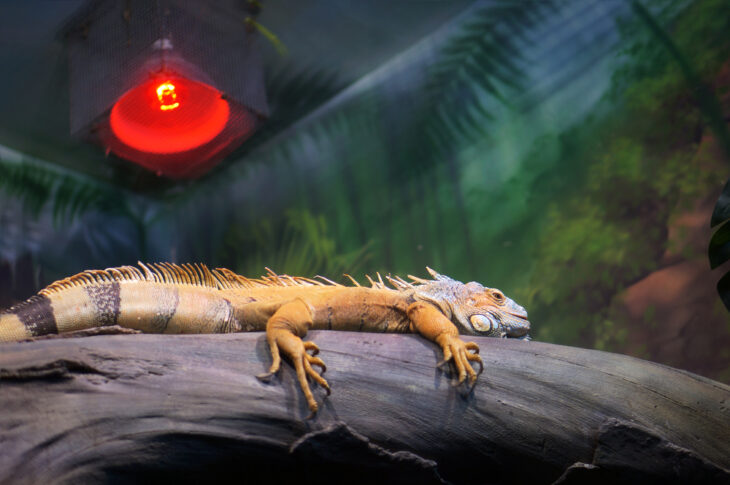
Reptiles lack the ability to regulate their own body temperature; instead, they rely on external heat sources to maintain proper function.
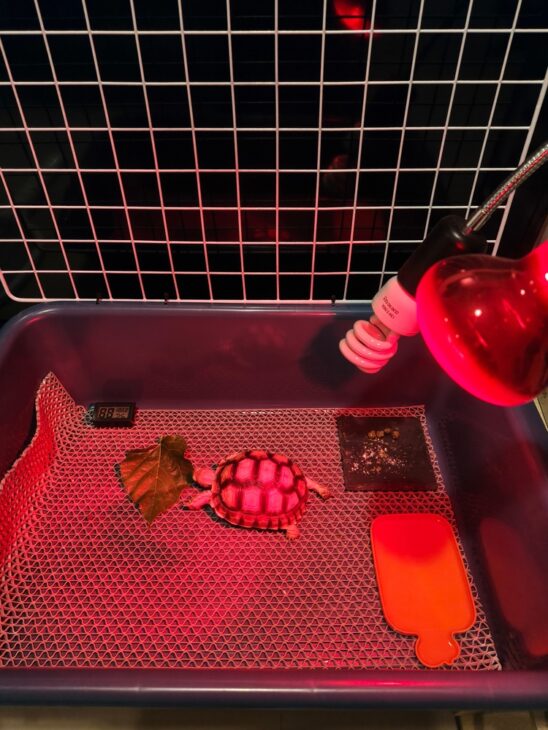
Create a warm basking spot on one side of the enclosure and a cooler area on the other end. Your reptiles can then thermoregulate their body temperature naturally. A digital thermometer will help you keep track.
UVB lighting
UVB lighting is a non-negotiable requirement for healthy reptile care because it facilitates the absorption of vitamin D, which in turn helps create strong bones.
Keep in mind that UVB bulbs weaken over time, so it’s recommended to replace them once or twice a year. It’s ideal to replace them every 6 to 12 months to prevent bone problems.
Controlling humidity
Humidity level depends on the species. Tropical reptiles, such as chameleons, thrive in humidity levels of 60–80%, while desert dwellers, like leopard geckos, prefer dry air with a slightly damp hide to retreat to.
You need to determine the optimal humidity that suits your scaly buddy’s nature, as they have varying temperature requirements.
Preparing for your Reptile’s Arrival
Part of reptile care is giving your companion time to acclimate to the new environment. So, once you’ve done all the checks and set up your Scalyback’s habitat, you need to follow a few welcome practices.
Things to do before bringing your reptile home
Here are some tasks to check off your list:
- Check the temperature and humidity levels in the enclosure.
- Install a lighting timer for a natural day/night cycle.
- Collect calcium supplements, feeding utensils, and cleaning/ litter supplies.
- Place the habitat in a quiet spot, away from direct sunlight.
What to do when they arrive
- Test whether your companion is comfortable handling.
- Only offer food after they’ve settled in and checked out the enclosure.
- Be quiet and don’t bang on the glass.
- Track appetite, basking behavior, and any shedding that occurs.
Nutrition Fundamentals for Your Reptile Care
When caring for your small pet, a poor diet can lead to a variety of health issues, such as metabolic bone disease (MBD), gout, and beak overgrowth, so it’s best to know what each reptile needs.
Foods to choose by species
When it comes to reptile care, not knowing what they eat can be costly. You aren’t helping them by offering human food. Instead, look out for these options:
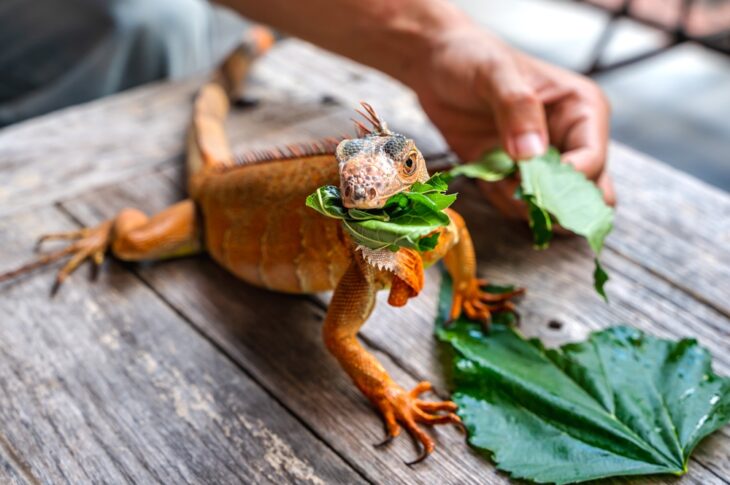
- Herbivores (tortoises and iguanas): Collard, mustard, and dandelion greens
- Omnivores (bearded dragons): Crickets or mealworms and veggies
- Carnivores (snakes): Pre-killed rodents
Feeding tips
- Calcium and vitamin supplements: Dust some calcium powder and multivitamins on their food two to three times a week to maintain healthy skin, eyes, and internal organs.
- Water: Always provide clean water for hydration. Species that drink from surfaces need misted water or a drip system.
- Feeding frequency: Feed juveniles daily or every other day; adults usually eat 2 to 3 times per week, depending on species.
A healthy reptile will typically be aware of its surroundings, move around freely, and have bright, clear eyes.
Handling and Socialization in Reptile Care
Unlike dogs and cats, reptiles require skilled and gentle handling. Regular interaction also contributes to reptile care, helping to develop trust and making veterinarian visits, cleaning, and feeding easier.
How to handle your reptile companion
- Always wash your hands before and after handling your pet because reptiles, especially turtles, often harbor Salmonella.
- Don’t hold your reptiles by the tail.
- Keep handling times short, between 5 to 10 minutes.
- Don’t handle them immediately after they’ve eaten and during a shed.
Cleaning and Health
A clean environment is also a crucial part of reptile care, as it helps keep bacteria, mites, and unpleasant odors at bay. Follow these steps to get started:
- Remove any droppings and leftovers daily.
- Disinfect water bowls and tank surfaces weekly to prevent bacterial growth.
- Change bedding every 3 to 4 weeks, or more often if it becomes dirty.
Signs that your reptiles might be ill
The following symptoms can pose a health risk:
- Loss of appetite or weight
- Shedding problems
- Lethargy
- Cloudy eyes
- Wheezing or mucus discharge around the mouth
Have you seen them or worse? If so, contact a veterinarian immediately. You can easily avoid some health issues by maintaining regular temperature checks, exposing yourself to UVB light, and keeping a clean environment.
Conclusion: An Ideal Reptile Care is Easier Than You Think
Watching a gecko in its habitat or a tortoise basking in the sun is satisfying. However, to truly enjoy the experience, you need to understand the basics of reptile care, including selecting the right species, creating the best possible habitat, and providing a balanced diet that includes calcium and multivitamins.
Over time, you’ll notice that caring for scaly friends isn’t complicated after all. Want to learn more? Take a look at the comprehensive guide to receive additional recommendations on feeding, habitat, and daily care.
