

Senior cat arthritis signs and prevention are important topics for any cat parent. This article offers general education only, so it cannot diagnose your cat. However, it can help you notice changes early and support a more comfortable senior life.
Understanding arthritis in older cats
Arthritis is a long-term joint condition that causes inflammation and discomfort. In senior cats, it often develops slowly, so the earliest changes may look small at first. However, those small changes can matter a lot over time.
Simply put, arthritis makes movement less smooth. Joints may become stiff, tender, or less flexible. As a result, a cat may avoid jumping, stretching, or climbing as much as before.
Because cats hide discomfort well, owners often notice behavior changes before obvious limping appears. Therefore, the key is to watch daily habits closely. Senior cat arthritis signs and prevention begin with knowing what is normal for your own cat.
Senior cat arthritis signs and prevention: what the condition can look like
Arthritis does not always cause dramatic pain signs. Instead, it may show up as subtle changes in movement, grooming, or personality. For example, a cat may hesitate before jumping onto a favorite couch.
Also, an older cat may sleep more in one spot or seem less interested in play. While aging can naturally slow a cat down, stiffness and reduced mobility deserve attention. Therefore, pattern changes matter more than one off day.
Subtle signs to watch at home
Many cats with joint discomfort show signs in their routines. You might notice shorter jumps, slower stair use, or difficulty getting into a litter box. In addition, some cats stop reaching high places they once loved.
Grooming changes can also appear. A cat with sore joints may not clean the lower back or hips well, so the coat can look a little messy. Likewise, some cats may become quieter, grumpier, or less social because movement feels uncomfortable.
Watch for changes in litter box habits too. A cat may urinate or poop outside the box if entry feels hard. However, this behavior can have many causes, so it always deserves a vet check.
Possible reasons mobility changes happen
Several factors can contribute to arthritis in older cats. Naturally, age is one of the biggest ones, because wear and tear can build over years. In addition, past injuries, joint shape differences, and extra body weight can all add strain.
Some cats also move less as they age, which can make joints feel stiffer over time. Meanwhile, chronic inflammation may slowly affect movement even without a single obvious injury. Because of this, prevention focuses on reducing strain and supporting daily comfort.
It helps to remember that not every stiff senior cat has arthritis. Other health issues can cause similar signs, including pain elsewhere, neurologic problems, or general illness. Therefore, a vet visit matters before assuming the cause.
Senior cat arthritis signs and prevention: what the vet may check
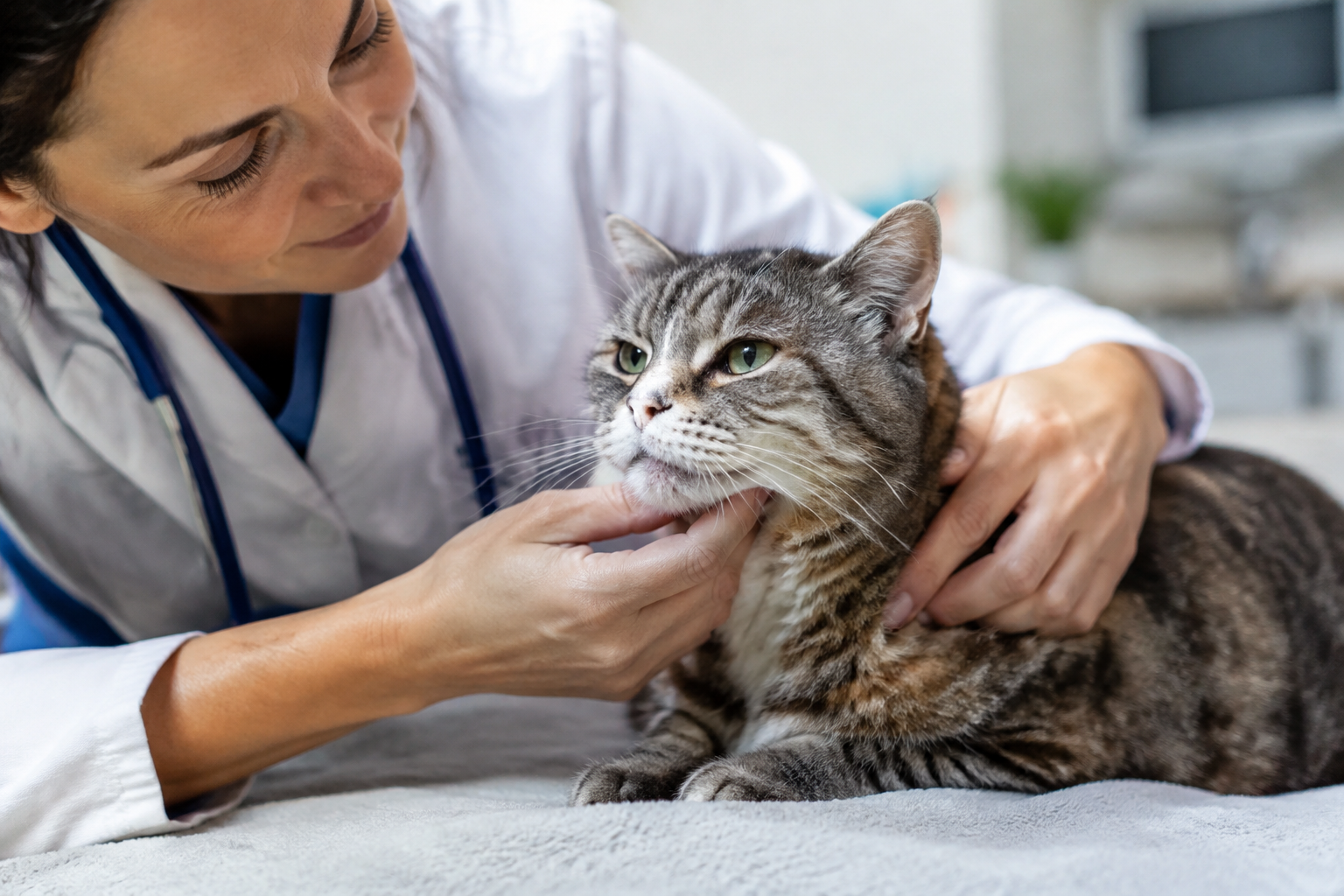
A veterinarian may begin with a history of your cat’s habits. So, it helps to note when the changes started and what you have observed. A physical exam can then assess posture, mobility, muscle condition, and areas of tenderness.
The vet may also check your cat’s weight and range of motion. In some cases, they may suggest imaging such as X-rays, which are pictures of the bones and joints. These can help show joint changes, though they are only one part of the picture.
Because older cats often have more than one health issue, the vet may also look for other contributors to low activity. For example, dental pain, kidney disease, or thyroid issues can affect energy and behavior. As a result, a full evaluation is often helpful.
Safe prevention and supportive care at home
Support at home should stay gentle and practical. First, keep fresh water available and make sure your cat can reach it easily. Also, maintain a calm routine, because predictable days often help senior cats feel more secure.
Weight management matters a great deal. Extra weight can place more pressure on sore joints, so a vet can help you choose a safe plan if needed. In addition, regular but gentle movement may help keep joints from stiffening, as long as your cat tolerates it well.
Make the home easier to move around in. For example, add low-sided litter boxes, steady ramps, and soft resting spots. Likewise, keep food, water, and favorite beds on one level when possible.
Monitoring as part of senior cat arthritis signs and prevention
Daily observation is one of the most useful tools you have. Therefore, pay attention to how your cat jumps, climbs, and settles into resting spots. Small notes can reveal trends that are easy to miss.
Try watching grooming, litter box use, and appetite over time. Also, notice whether your cat seems more comfortable in warm, cushioned places. These details can help your vet understand the bigger picture later.
If your cat seems to improve or worsen, record the change. Then, share that information during a checkup. Consistent monitoring supports better guidance and clearer decisions.
When to seek urgent veterinary care
Arthritis usually develops gradually, but some symptoms need prompt attention. If your cat suddenly cannot walk normally, cries out, or seems unable to use a leg, contact a vet right away. In addition, sudden swelling or severe reluctance to move is urgent.
Breathing trouble, extreme weakness, collapse, or not eating for a full day also require fast care. Likewise, repeated hiding, severe litter box accidents, or obvious distress can signal more than simple stiffness. Therefore, do not wait if your cat seems markedly worse.
Even when signs seem mild, a vet visit matters if the behavior continues. Early support can improve comfort and help rule out other problems. So, it is better to ask sooner rather than later.
Common mistakes to avoid
One common mistake is assuming slowing down is just normal aging. While senior cats do move more carefully, pain should not be dismissed. Therefore, any lasting change deserves attention.
Another mistake is changing the home too quickly or too much. Cats usually do best with gradual adjustments, because sudden shifts can add stress. Instead, make one helpful change at a time and watch your cat’s response.
Also, avoid giving a cat human pain medicine. Many human products are unsafe for cats, and some can be dangerous quickly. As a result, always check with a veterinarian before using anything for discomfort.
Finally, do not ignore litter box changes or reduced grooming. These can be early clues, not bad habits. In fact, they often tell you a cat needs help moving more comfortably.
Senior cat arthritis signs and prevention: a short practical checklist
- Watch for shorter jumps, stiffness, or slower movement.
- Check for grooming changes and litter box struggles.
- Keep food, water, and resting spots easy to reach.
- Support a healthy weight with veterinary guidance.
- Use soft bedding and low-entry litter boxes.
- Schedule a vet visit if signs persist or worsen.
Helpful conclusion
Senior cats can live well with thoughtful support, and small home changes often make a real difference. Because arthritis may appear quietly, your daily observations are valuable. Therefore, trust the patterns you see and share them with your veterinarian.
With steady monitoring, gentle home adjustments, and timely veterinary guidance, you can help your cat stay more comfortable and active. In short, senior cat arthritis signs and prevention are about noticing early changes and responding with care. That simple approach can support a safer, happier senior life.
