


Chinchilla poop may not give the full picture, but it can help you figure out a few things about their well-being. In most cases, it’s one of the ways your friends can unconsciously shout out that they aren’t digesting their food properly.
A single drop won’t tell it all. You’ll need to check everything you can, including how frequently they look that way.
What Healthy Chinchilla Poop Looks Like
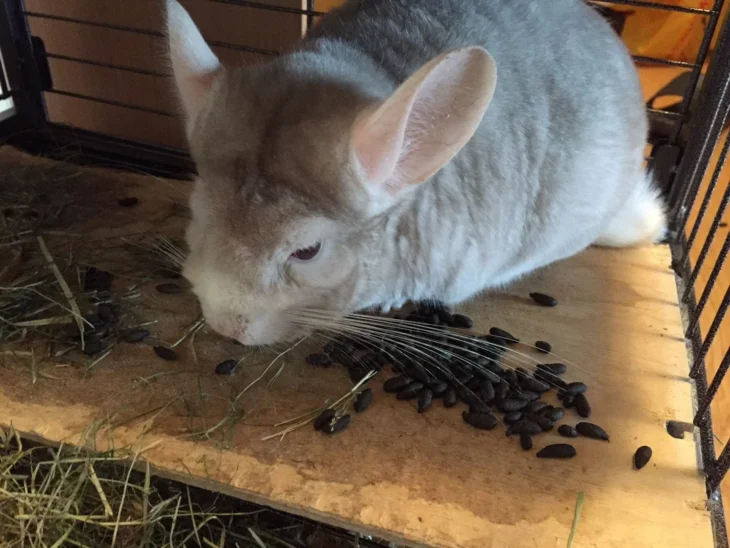
If you don’t know what normal chinchilla poop is like, you won’t know the bad one. When you see a dark brown something that looks like a small bean or a large grain of rice, your chinchies are telling you not to worry.
A glossy output may be a feast for the eyes. In any case, what you want to see here is a slightly matte texture that feels firm and breaks apart without forcing it. Well, droppings aren’t supposed to have a scent.
If your little ones keep dropping poop every day, it’s not a problem. It just means their gut is kicking well.
What Abnormal Chinchilla Poop Signals
Spotting abnormal droppings from your little ones early will save you many vet visits and may even help you discover diseases that need urgent medical care.
Misshapen or dry pellets
Chinchilla’s output isn’t supposed to look like a teardrop. Plus, if they are tiny and look like they’re forced out, the digestive tract is likely slowing down, or your friend is severely dehydrated.
Loose stools
These small guys hardly get diarrhea, but if you notice watery, loose stools, that’s a sign of a bacterial imbalance in their gut. It’s a major emergency.
Mucus-covered droppings
Chinchilla poop coated with a slimy, glossy sheen usually indicates intestinal inflammation or irritation.
Visible cecotropes
Cecotropes are usually consumed soon after they’re produced, so most parents rarely see them lying around the enclosure. Finding one occasionally isn’t always a cause for concern.
If you start to see them too frequently, consider whether your chinchilla is consuming excessive treats, has poor body condition, or is unable to groom comfortably.
How Diet Affects Your Chinchilla’s Output
Droppings mirror what you put in your chinchie’s bowl every single day. If you’re always offering filler foods like crackers and peanuts, your chinchilla poop will test your limits.
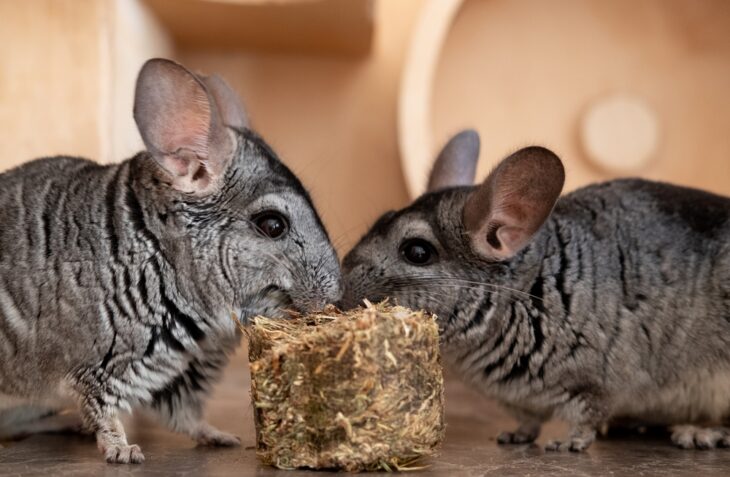
- Hay: Hay helps the cecum function properly and prevents harmful bacteria from multiplying, but it needs to be high-quality to really enjoy these benefits. Small Pet Select offers many Timothy hay options, including 2nd and 3rd cuttings. If you prefer, you can mix it with Oat Hay.
- Pellets: Chinchilla Food Pellets also contain the essential vitamins and minerals needed to help boost their immune system.
- Treats: You shouldn’t offer treats every day. Timothy Hay Cubes are a fantastic option and may be an exception, but you need to be careful with sugary options like Dried Goji Berries and Apple Slices. Once or twice per week is enough.
- Clean water: Your chin needs clean water to digest quickly.
Common Health Conditions Associated With Poop Changes
Besides stomach upset, a sudden drop in chinchilla poop production or changes in texture or size may also indicate more serious health concerns.
GI stasis
Gut stasis can practically shut down or slow digestion, meaning your furry companions won’t be able to pass food through properly. Some parents associate it with flattened, irregular droppings.
Parasites
If your friends’ poop becomes persistently soft and doesn’t clear up in a day or two, they may be battling with parasitic infections.
Stress
Chinchillas tend to like consistency. A move to a different room, a noisy environment, or sudden temperature changes can sometimes stress them out.
Dental disease
Chinchillas need hay to grind down their growing teeth. If you don’t give them enough, they’ll develop a painful dental condition, and chewing will become difficult. That drop in food intake can trigger dry, tiny poop.
Conclusion: Healthy Poop, Healthier Chinchillas
Checking Chinchilla poop sometimes seems strange. Instead of clearing them out immediately, you have to check their shape, size, frequency, and even texture. It’s something you have to do almost forever.
The reality is, poop changes work as a compass. Keeping a chinchilla healthy usually comes down to the basics: plenty of hay, fresh water every day, and regular veterinary care when needed.
Frequently Asked Questions
Why did my chinchilla’s poop suddenly become soft?
Check if you recently changed their pellet brand or overfed them with sugary treats. A sudden shift in firmness usually indicates a change in their diet or parasitic infections.
How many droppings should I expect per day?
Healthy chinchillas can produce hundreds of poop over twenty-four hours.
When should I call an exotic vet?
Not every potential health condition responds to home remedies or a quick dietary fix. In many cases, it’s best to check with your vet if your chinchie could barely poop or the poop smells foul.
