

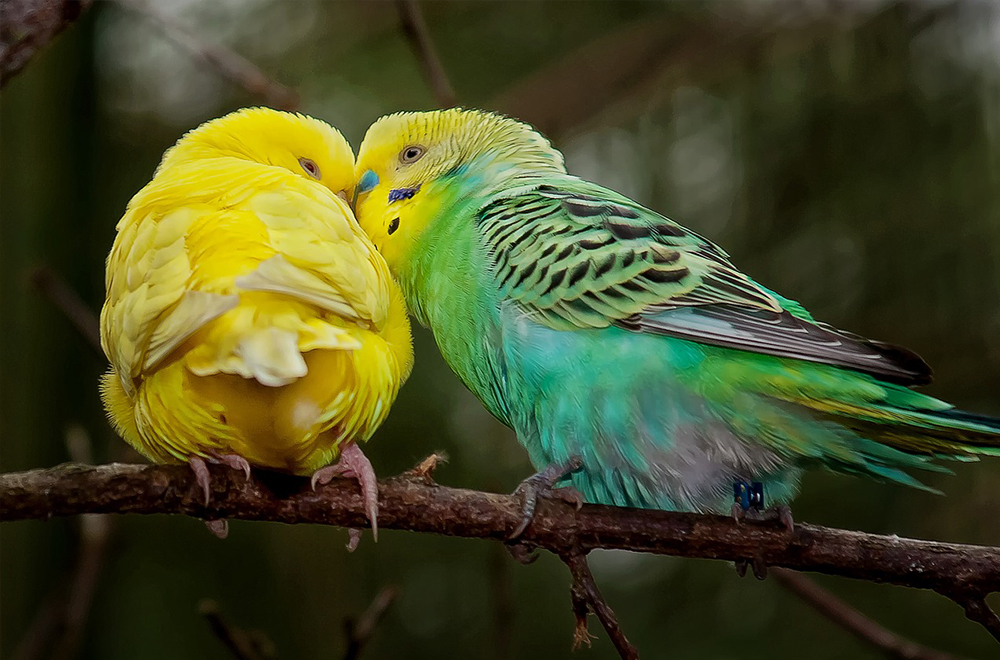
Breeding parakeets can be a rewarding journey, filled with fascinating behaviors and the joy of nurturing new life.
If you’re curious about how parakeets mate and the intricacies of successful breeding, you’re in the right place.
In this comprehensive guide, we’ll take you through the entire process, from selecting healthy pairs to caring for the adorable parakeet chicks.
How Do Parakeets Mate?
Parakeet mating is a fascinating process that involves a series of behaviors and rituals. From courtship displays to the actual mating act, these avian companions have their unique ways of forming bonds and producing the next generation.
After your pair is comfortably settled into their breeding setup, the mating process usually follows:
- Settling In: Once your pair is bonded and comfortable, mating is likely to begin. Basic care, including providing fresh food and water, is still essential during this phase.
- Fertilization and Egg Production: When the female is ready to mate, you’ll observe specific behaviors such as her leaning forward and the male positioning himself for fertilization. The female will lay eggs every other day, usually about four to five eggs per clutch.
As you embark on the journey of understanding parakeet mating and breeding, let’s delve deeper into the various stages and aspects that contribute to the successful reproduction of these captivating birds.
When Do Parakeets Mate?
The timing of parakeet mating is influenced by various factors, including the birds’ age, environment, and hormonal changes.
Generally, parakeets become sexually mature around one year of age. However, the onset of breeding behavior can vary among individuals and species.
As the breeding season approaches, you may notice changes in your parakeets’ behavior.
Male parakeets often become more vocal and exhibit increased courtship displays, such as bobbing their heads and singing.
Female parakeets might show receptive behaviors like crouching and making inviting sounds.
Keep in mind that providing the right environmental conditions, including proper lighting and a suitable breeding setup, can encourage parakeets to enter their breeding mode.
By closely observing their behaviors and being attuned to their readiness, you can enhance the chances of successful parakeet mating.
Selecting Healthy Pairs for Breeding
Before embarking on the journey of parakeet breeding, it’s crucial to start with healthy, well-matched pairs. Here’s how to go about it:
- Identifying True Pairs: Determining the sex of your parakeets is the first step. Males typically have a blue cere, while females have distinct features around their nostril holes. Ensuring you have a genuine male-female pair is essential for successful breeding.
- Bonding for Breeding: Building a strong bond between your parakeets is vital. Place them in a spacious cage and allow them time to get accustomed to each other’s presence. The male’s feeding of the female is a clear sign of a bonded pair.
- Maturity Matters: Parakeets are ready for breeding around one year of age. Keep an eye out for changes in the female’s cere, which signifies her breeding readiness.
Breeding Setups: Individual Pairs or Colonies?
There are two primary methods for breeding parakeets: colony breeding and individual pairs. Each has its pros and cons:
- Colony Breeding: Setting up multiple pairs in a large flight offers convenience but comes with potential drawbacks.
- Breeding Individual Pairs: Providing a single pair their own breeding space offers better control and fewer chances of conflicts.
Creating the Ideal Breeding Environment
Setting up the perfect breeding environment enhances your parakeets’ chances of successful mating. Key elements include:
- Breeding Cage: The right cage size and design are essential. Make sure to provide perches, dishes for food and water, and a separate door for attaching the nest box.
- Parakeet Nesting Box: Select a suitable nest box with the right dimensions, entry hole size, and features for safe egg incubation.
- Nesting Material: Provide nesting material that your pair prefers, such as aspen shavings or recycled newspaper.
- Lighting: Ensure your parakeets get 12 hours of daylight and darkness. Consider using full-spectrum lighting to stimulate breeding behavior.
Parakeet Mating and Egg Production
Once your parakeet pair is settled in their breeding setup, the process of mating and egg production begins:
- Mating Behavior: The male and female will exhibit specific behaviors, such as the male rubbing his vent against the female’s to deposit sperm. The female will lay eggs every other day, usually resulting in a clutch of about four to five eggs.
- Incubation: Incubation starts when the female sits tightly on the eggs. Eggs usually hatch in about 18 days, with one egg hatching every other day if the female begins incubating immediately.
- Checking for Fertility: About a week after incubation starts, you can “candle” the eggs using a strong flashlight to determine if they are fertile. Fertile eggs will show distinct features.
Caring for Baby Parakeets
Once the eggs hatch, the journey of caring for baby parakeets begins:
- Parental Care: Parakeet chicks can be raised by parents or through hand-feeding. The parents usually feed the chicks, with the male assisting in feeding.
- Hand-Feeding: Hand-feeding requires patience and proper technique. The chicks need special formula at regular intervals to thrive.
- Weaning: Weaning begins around five to six weeks of age. Introduce a variety of foods to help chicks transition to independent eating.
Ending Breeding Activity Responsibly
Knowing when to end breeding activity is important for the well-being of your parakeets:
- Limit Daylight: Adjust daylight hours to discourage continuous breeding. Using a dark cover to limit light exposure can help regulate their breeding cycle.
- Remove Nest Box: Removing the nest box signals to the female that it’s time to cease egg-laying.
- Separate Pairs: Separating the hen from the male can also help curb breeding behavior.
Parakeet Breeder Diet
The diet you provide for your parakeets plays a crucial role in their breeding success:
- Variety and Abundance: A key aspect of the breeder diet is offering a variety of high-quality foods in abundance. This encourages your pair to go into breeding mode.
- High-Quality Parakeet Pellet Mix: Pellets provide comprehensive nutrition and should be available at all times.
- Fresh Leafy Greens, Vegetables, and Fruits: Include organic options like kale, Swiss chard, broccoli, carrots, peas, and more to provide essential nutrients.
- Cooked Eggs or Commercial Egg Food: Eggs are a great source of protein for breeding pairs and chicks.
- High-Quality Parakeet Seed Mix: While seeds should not be the staple, they’re still a necessary component of the diet.
- Abundant Clean Water: Regularly changing water prevents the growth of harmful bacteria.
Caring for Baby Parakeets
Raising parakeet chicks requires attention and proper care:
- Parent Raised: Allowing the parents to raise the chicks through weaning is a common approach. This requires monitoring and occasional handling for taming.
- Hand-Feeding: Hand-feeding is an option if you’re experienced and comfortable with it. This method involves feeding chicks using a specialized formula and utensils.
Weaning and Responsible Breeding
The final stages of breeding involve weaning and responsible practices:
- Weaning: Transitioning chicks to a varied diet marks the weaning process. This is crucial for their health and development.
- Ending Breeding Activity: To prevent excessive breeding, limit daylight hours and create an environment that discourages continuous egg-laying.
Additional Tips for Successful Parakeet Breeding
Here are some additional tips to enhance your parakeet breeding journey:
- Observe Carefully: Pay close attention to the behavior of your parakeets. Understanding their body language and interactions can provide valuable insights into their readiness for breeding.
- Provide a Comfortable Environment: Ensure that the breeding cage and nesting box are clean, secure, and well-equipped. A stress-free environment is essential for successful mating and chick rearing.
- Consult a Veterinarian: Before embarking on the breeding journey, consider seeking advice from an avian veterinarian. They can offer guidance on health checks, nutrition, and any specific concerns related to parakeet breeding.
- Patience is Key: Breeding can take time, and not all attempts may result in successful mating or hatching. Patience and persistence are crucial traits for any parakeet breeder.
Conclusion
Breeding parakeets is a rewarding endeavor that requires knowledge, dedication, and compassion.
By understanding the mating process and providing the right conditions, you can contribute to the well-being of these remarkable birds while enjoying the experience of raising new generations.
Exploring the Fascinating World of Parakeets
Delving into the world of parakeet breeding opens doors to fascinating insights into these intelligent and captivating birds.
As you navigate the journey of parakeet mating and rearing, remember that responsible breeding practices contribute to the overall well-being of these avian companions.
References
For more information on parakeet breeding and avian care, consider referring to the following sources:
