
Close Menu
GenzyPets

    Subscribe to Updates

    Get the latest creative news from FooBar about art, design and business.

    What's Hot

    Abigail’s House Of Buns – Chapter 102 – You Never Know

    Gizmo’s Guide to Winter Enrichment | Small Pet Select Blogs

    January 31st 2026: Top Cuties of the Week

    Facebook X (Twitter) Instagram
    Trending
    • Abigail’s House Of Buns – Chapter 102 – You Never Know
    • Gizmo’s Guide to Winter Enrichment | Small Pet Select Blogs
    • January 31st 2026: Top Cuties of the Week
    • Enzo is very sick. So today Belinda fills her blog with nice photos of him.
    • Why Your Rabbit Might Eat Less in Winter
    • Abigail’s House Of Buns – Chapter 103 – Goodbye to Love
    • Misting vs Fogging for Reptiles: Which Is Best?
    • Good Food For A Hamster Diet — Animal Hearted Apparel
    Facebook X (Twitter) Instagram
    GenzyPets
    Thursday, July 30
    • Home
    • Birds
      • Budgies
      • Canary Care
      • Cockatiels
      • Lovebirds
    • Chinchillas
      • Chinchilla Care
      • Chinchilla Food
      • Chinchilla Health
      • Chinchilla Cages
    • Ferrets
      • Ferret Behavior
      • Ferret Care
      • Ferret Food
      • Ferret Health
    • Fish & Aquatic Pets
      • Aquarium Care
      • Betta Fish
      • Goldfish
      • Shrimp Tanks
    • Guinea Pigs
      • Guinea Pig Breeds
      • Guinea Pig Care
      • Guinea Pig Diet
      • Guinea Pig Health
    • Hamsters
      • Dwarf Hamsters
      • Hamster Care
      • Hamster Food
      • Syrian Hamsters
    • Hedgehogs
      • Hedgehog Care
      • Hedgehog Diet
      • Hedgehog Habitat
      • Hedgehog Health
    • Mice & Rats
      • Mouse Care
      • Pet Mice
      • Pet Rats
      • Rat Care
    • Rabbits
      • Rabbit Breeds
      • Rabbit Care
      • Rabbit Nutrition
      • Rabbit Training
    • Reptiles
      • Bearded Dragons
      • Leopard Geckos
      • Small Snakes
      • Turtles
    GenzyPets
    You are at:Home»Rabbits»Rabbit Care»Common Illnesses, Early Warning Signs, and Preventive Care
    Rabbit Care

    Common Illnesses, Early Warning Signs, and Preventive Care

    PawvistaBy PawvistaJuly 27, 2026004 Mins Read
    Share Facebook Twitter Pinterest LinkedIn Tumblr Email
    Common Illnesses, Early Warning Signs, and Preventive Care
    Share
    Facebook Twitter LinkedIn Pinterest Email
    Common Illnesses, Early Warning Signs, and Preventive Care


    Author:


    Paige K Parsons


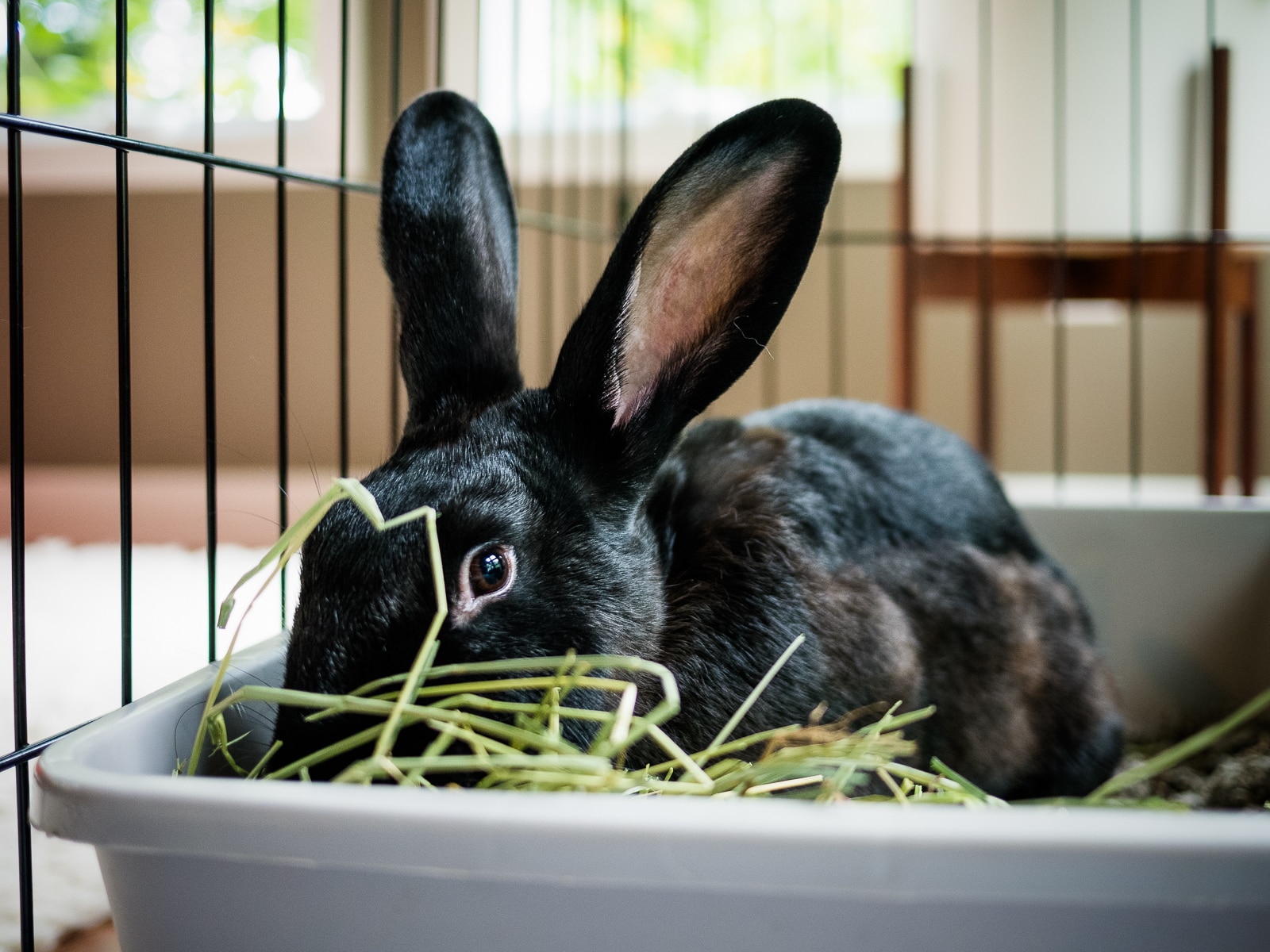
    Healthy rabbits are bright-eyed, curious, and full of energy. Because they’re prey animals, rabbits often hide illness until it becomes serious. Understanding what’s normal—and recognizing early warning signs—can help you prevent common health problems and keep your rabbit thriving.

    How to Tell if Your Rabbit Is Healthy

    A healthy rabbit:

    • Eats hay throughout the day and drinks regularly
    • Produces consistent, round and firm droppings
    • Grooms themselves and keeps a clean bottom
    • Moves easily and shows interest in food, toys, and people

    If your rabbit suddenly stops eating, hides, or seems less active, treat it as an emergency. Rabbits can deteriorate quickly, so early veterinary care saves lives.


    Common Rabbit Health Problems

    Gastrointestinal (GI) Stasis

    GI stasis is one of the most common—and serious—rabbit emergencies. The digestive system slows or stops, causing gas buildup and pain.

    Symptoms: not eating, small or no droppings, hunched posture, grinding teeth, or bloating.

    Action: Contact a rabbit-savvy vet immediately. Do not wait it out. Prompt treatment with fluids, pain relief, and motility drugs is often life-saving.

    Prevention: A hay-based diet, daily exercise, and reduced stress help keep digestion moving normally.


    Dental Disease

    Rabbit teeth grow continuously. If they don’t wear down evenly, sharp points and overgrowth can cause pain, drooling, and reduced appetite.

    Symptoms: dropping food, wet chin, smaller droppings, or weight loss.

    Action: A vet can trim or file teeth safely under anesthesia and treat any underlying jaw misalignment.

    Prevention: Offer unlimited grass hay and chew-safe toys to promote natural wear.


    Respiratory Infections (“Snuffles”)

    Caused by bacteria such as Pasteurella multocida, these infections can lead to sneezing, nasal discharge, and watery eyes.

    Action: A rabbit-savvy vet can identify the cause and prescribe antibiotics and supportive care.

    Prevention: Keep housing clean and well-ventilated, avoid stress, and minimize exposure to new rabbits without quarantine.


    Flystrike (Myiasis)

    Flies lay eggs on soiled fur or skin wounds, and the hatched maggots can burrow into tissue—this is a true emergency.

    Symptoms: lethargy, odor, visible maggots, or damp fur around the rear.

    Action: Immediate veterinary treatment is required.

    Prevention: Check daily and keep your rabbit’s bottom clean, especially if they’re elderly or overweight, and protect them from flies in warm weather.


    Ear Mites and Other Parasites

    Ear mites cause itching, head shaking, and crusty debris in the ears. Other parasites, such as fleas or E. cuniculi, may also affect rabbits.

    Action: Your vet can confirm the cause and prescribe safe antiparasitic medication.

    Prevention: Keep indoor environments clean, and avoid contact with untreated outdoor rabbits or contaminated hay.


    Heat Stress/Heat Stroke

    Rabbits do not tolerate high temperatures which leads to heat stroke.

    Symptoms: rapid breathing, drooling, lethargy, or collapse.

    Action: Move the rabbit to a cool area and call a vet immediately.

    Prevention: Provide shade, airflow, and frozen water bottles in summer. Never leave a rabbit outdoors in heat.


    Preventive Care and Good Habits

    1. Diet: The foundation of health is unlimited grass hay, a small amount of leafy greens, and limited pellets. Avoid sugary treats and starchy foods.
    2. Exercise: Daily time to run and explore helps digestion, joint health, and mental well-being.
    3. Litterbox Checks: Droppings are an early clue to health—changes in size, shape, or quantity signal trouble.
    4. Regular Vet Visits: Annual checkups help catch dental or internal issues early.
    5. Vaccination: In the United States (and many other countries too) rabbits need yearly vaccine protection from RHDV2, a fatal viral disease. Ask your veterinarian about current recommendations.

    When to See a Rabbit-Savvy Veterinarian

    Call a vet right away if your rabbit:

    • Stops eating or pooping for 8 hours or more
    • Shows signs of pain (hunched, grinding teeth, hiding)
    • Has nasal discharge or difficulty breathing
    • Has diarrhea or a dirty bottom
    • Seems unsteady, has head tilt, or can’t use their legs properly

    Rabbits need specialized care—many standard vets are not trained in rabbit medicine. A rabbit-savvy veterinarian understands their unique anatomy, diet, and anesthesia needs.


    Find a Rabbit-Savvy Vet Near You

    Use our Rabbit Vet Directory to locate an experienced rabbit veterinarian in your area.

    Early care makes all the difference.


    Learn More About Rabbit Health

    Explore detailed guides on specific topics:

    For more articles, visit our full Rabbit Health Library.

    • Paige K Parsons

      Paige is co-founder & president of Rabbit.org and a house-rabbit educator for over three decades. She launched Rabbit.org in 1994 and publishes evidence-based guides on indoor care, health, behavior, spay/neuter, adoption, and RHDV2. Based in Palo Alto, CA, Paige shares her home with her husband, Carl, and two house rabbits, Moe and Mimzy.


      View all posts


    care common Early Illnesses Preventive Signs warning
    Share. Facebook Twitter Pinterest LinkedIn Tumblr Email
    Previous ArticleHow long can a hamster go without eating or drinking?
    Next Article PHOTOS: Bunny Tunnel – My House Rabbit
    Pawvista
    • Website
    • Facebook
    • X (Twitter)
    • Pinterest
    • Instagram
    • LinkedIn

    Related Posts

    4 Care Tips to Help Your Gecko Thrive – Mazuri

    July 29, 2026

    Rainbow Lorikeet Care Guide

    July 29, 2026

    Do Guinea Pigs Get Cold? 5 Signs Your Guinea Pig Is Cold and How to Warm Them Up Safely

    July 29, 2026
    Add A Comment
    Leave A Reply Cancel Reply

    Top Posts

    The Pros and Cons to Owning an Alaskan Malamute – Fantastic Furries

    July 27, 20266 Views

    Read This BEFORE You Get a New Ferret – The Modern Ferret

    July 27, 20265 Views

    Rabbit Teeth Grinding: What Is It & Why Do They Do It

    July 27, 20263 Views
    Stay In Touch
    • Facebook
    • YouTube
    • TikTok
    • WhatsApp
    • Twitter
    • Instagram
    Latest Reviews

    Subscribe to Updates

    Get the latest tech news from FooBar about tech, design and biz.

    About us

    Welcome to GenzyPets.com, your trusted source for everything related to micro pets and small companion animals.

    At GenzyPets, we believe that every pet deserves the best care, whether it's a hamster, guinea pig, rabbit, hedgehog, chinchilla, ferret, bird, reptile, fish, or any other small pet. Our mission is to provide pet owners with reliable, easy-to-understand, and practical information to help them give their pets healthy and happy lives.

    Most Popular

    The Pros and Cons to Owning an Alaskan Malamute – Fantastic Furries

    July 27, 20266 Views

    Read This BEFORE You Get a New Ferret – The Modern Ferret

    July 27, 20265 Views

    Rabbit Teeth Grinding: What Is It & Why Do They Do It

    July 27, 20263 Views

    Subscribe to Updates

    Get the latest creative news from FooBar about art, design and business.

    © 2026 GenzyPets.com. All Rights Reserved.
    • Terms & Conditions
    • Privacy Policy
    • Contact Us
    • About Us

    Type above and press Enter to search. Press Esc to cancel.