

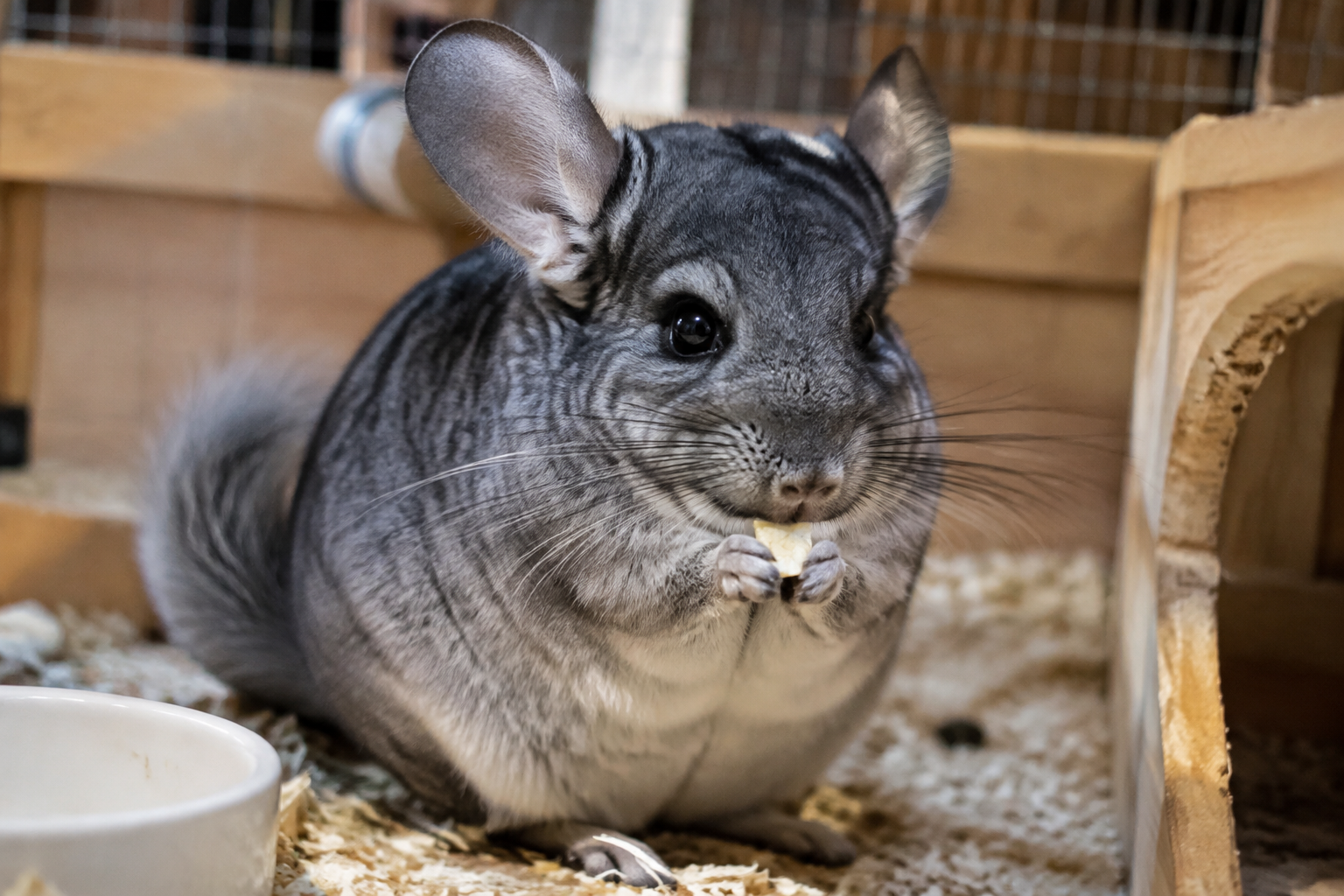
Chinchilla monthly cost and care guide planning starts with one simple idea: because chinchillas are delicate exotics, good care always costs less than rushed care later.
Introduction to Chinchillas as Exotic Pets
Chinchillas are small, fast, and very sensitive to heat and moisture. Therefore, they suit careful owners who enjoy routine and quiet handling.
These animals can live a long time, and that makes planning essential. In addition, they need special food, dust baths, and a safe enclosure that supports their natural behavior.
If you want a pet with personality and low odor, a chinchilla can be rewarding. However, you should expect real monthly upkeep, not just the first purchase price.
The Chinchilla Monthly Cost and Care Guide
Chinchilla monthly cost and care guide planning should cover both regular supplies and emergency savings. As a result, you can avoid surprises when food, bedding, or vet visits come up.
A typical monthly budget often includes pellets, hay, chew items, bedding, dust, and wear on cage accessories. However, costs vary by region, cage size, and veterinary access.
Chinchilla Monthly Cost and Care Guide: What Usually Affects the Budget
First, food quality changes the budget more than many new owners expect. Timothy hay, plain pellets, and safe chew options are not luxury items; they are daily needs.
Next, cage size matters because larger setups need more bedding, more accessories, and more frequent cleaning. Therefore, a cramped enclosure may seem cheaper, yet it often creates hidden problems.
Finally, vet savings should be part of the plan from day one. Exotic pets can need specialized care, and that usually costs more than standard small-animal visits.
Species Overview and Natural Needs
Chinchillas come from cool, dry mountain environments. Therefore, they stay healthiest in stable indoor conditions with strong ventilation and little humidity.
They are active at dusk and dawn, so they often seem lively in the evening. In addition, they like climbing, exploring, and hiding in secure spaces.
Their fur is dense and soft, which helps them in dry climates. However, that same coat traps heat easily, so overheating becomes a major concern.
Habitat Setup, Temperature, and Daily Environment
A chinchilla cage should be spacious, tall, and secure. Because chinchillas jump well, vertical space matters as much as floor space.
Wire cages with solid shelves often work well. However, avoid wire floors, sharp edges, and anything that can snag fur or feet.
Keep the room cool, ideally around 60 to 70°F, with low humidity. Above all, avoid prolonged heat, since chinchillas can become dangerously stressed in warm rooms.
Use dust-free bedding and provide at least one solid hide box. Also, place the cage away from direct sun, vents, and loud household traffic.
Safe Substrate, Hides, and Enrichment
Substrate means the material on the cage floor. Therefore, choose something absorbent and low in dust, such as paper-based bedding where appropriate.
Provide wooden ledges, chew toys, and sturdy tunnels. In addition, rotate enrichment items so the chinchilla stays mentally engaged without overcrowding the cage.
Offer two hides if possible, especially in multi-level habitats. That way, the animal can retreat when startled and feel secure during the day.
Step-by-Step Care Routine
A consistent routine keeps chinchillas calm. First, refresh water daily and check that the bottle works without leaking.
Second, feed measured pellets and fresh grass hay every day. Since chinchillas need constant fiber, hay should stay available at all times.
Third, spot-clean uneaten food and wet bedding often. Then, do a deeper cage cleaning on a regular schedule to reduce odor and dust buildup.
Fourth, offer dust baths several times per week, not continuous access. Chinchilla dust helps coat maintenance, but too much time in dust can dry the skin.
Finally, watch body condition, chewing habits, and droppings. If appetite or droppings change, contact an exotic vet promptly.
Feeding Basics and Safe Treat Limits
Hay should make up the foundation of the diet. In addition, a plain, quality pellet designed for chinchillas helps support balanced nutrition.
Treats should stay rare and tiny. Because chinchillas have sensitive digestive systems, sugary or fatty foods can upset gut health quickly.
Always provide fresh water. Also, remove any food that becomes damp or dirty, since spoiled food can create avoidable health risks.
Health, Safety, Handling, and Comfort
Handling should stay calm, brief, and supported. Because chinchillas are quick and fragile, sudden grabbing can cause fear or injury.
Let the animal come to you when possible. Moreover, use two hands and support the body fully if you need to lift it.
Common warning signs include poor appetite, loose droppings, labored breathing, head tilt, or unusual hiding. Therefore, do not wait if something seems off.
Impaction means a blockage in the digestive tract, and it is serious. Likewise, metabolic bone disease is a disorder linked to poor mineral balance and weak bones.
UVB stands for ultraviolet B light. While chinchillas do not usually need UVB like some reptiles, they still need safe indoor light, steady routines, and proper diet support.
Brumation is a seasonal slowdown seen in some reptiles, not chinchillas. However, owners sometimes confuse low energy with normal rest, so seek vet help when behavior changes sharply.
Chinchilla Monthly Cost and Care Guide: Safety Essentials
Monthly care should include checking cage latches, shelf stability, and chew damage. In addition, replace worn items before they become hazards.
Never use scented cleaners, cedar shavings, or rough wheel designs. Because chinchillas have sensitive airways and feet, safer materials matter every day.
Also, keep electrical cords, toxic houseplants, and open windows out of reach. These simple steps prevent many common accidents.
Legal Checks, Lifespan, and Common Owner Mistakes
Before bringing one home, check local laws and permit rules. Exotic pet regulations can vary, and some places require permission or restrict ownership.
Chinchillas can live well over ten years with proper care, and some live much longer. Therefore, ownership should fit a long-term household plan, not a short seasonal interest.
New owners often make a few preventable mistakes. For example, they buy a cage that is too small, feed too many treats, or skip dust bath limits.
Another common issue is underestimating veterinary access. Since exotic vets may book up quickly, it helps to identify one before an emergency happens.
Finally, many people handle chinchillas too much during the adjustment period. Instead, allow time for trust, quiet observation, and gentle routines.
Practical Checklist and Final Thoughts
Use this quick checklist before and after adoption. First, confirm local legality and find an exotic vet.
- Choose a tall, secure cage with solid shelves.
- Keep the room cool, dry, and well ventilated.
- Provide hay, chinchilla pellets, fresh water, and safe chew items.
- Offer dust baths a few times weekly, not all day.
- Set aside monthly savings for food, bedding, and veterinary care.
- Watch daily for appetite, droppings, and changes in energy.
In the end, responsible chinchilla care is about steady habits and realistic budgeting. When you plan well, you support comfort, health, and a more confident bond.
For beginners, the safest path is simple: prepare first, buy later, and keep learning. That approach makes the chinchilla monthly cost and care guide truly useful for long-term success.
