

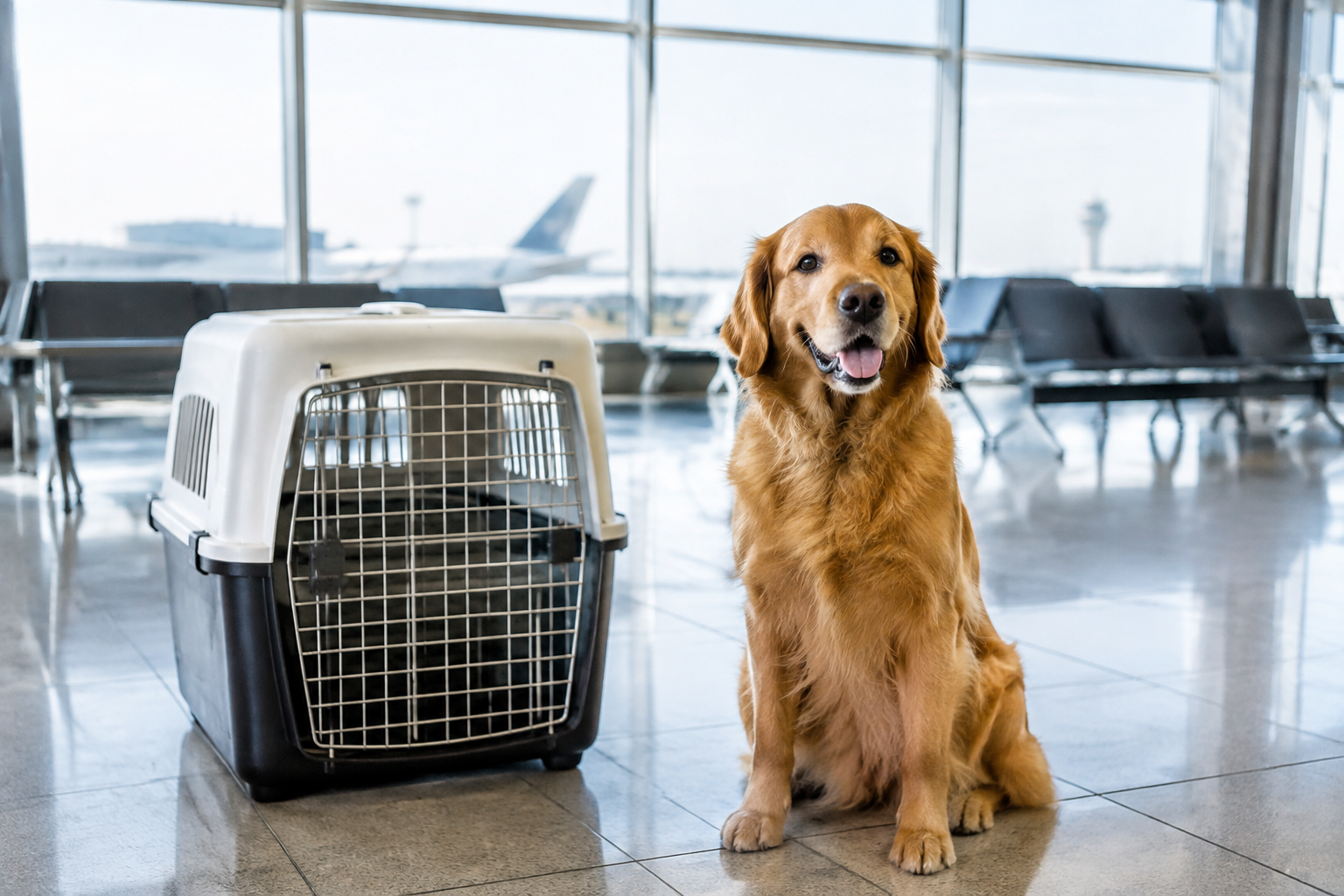
If you need how to prepare dog for long flights, the process can feel stressful fast. However, the right plan makes flying safer, calmer, and far less overwhelming for both of you. In this guide, you will learn what to do before booking, how to train your dog for travel, which documents matter, and how to keep your dog comfortable on flight day.
How to prepare dog for long flights without last-minute stress
Long flights demand more than a carrier and a boarding pass. Therefore, you should start preparing weeks before departure, not days. A solid plan helps you avoid rushed vet visits, missing paperwork, and unnecessary stress at the airport.
First, check the airline’s pet policy carefully. Additionally, confirm whether your dog can travel in the cabin, as checked baggage, or only as cargo. Rules vary by airline, aircraft, route, breed, and season, so verify every detail before you pay for the ticket.
Next, think about your dog’s health and temperament. Some dogs handle travel well, while others become anxious or motion sick. Consequently, the best travel plan depends on your dog’s age, size, breed, and medical history.
How to prepare dog for long flights with the right documents
Paperwork matters as much as packing. For example, many airlines and destinations ask for vaccination records, a recent health certificate, and proof of parasite treatment or microchipping. International trips may also require a pet passport or entry approval, depending on the country.
Additionally, ask your vet about the timing for all required documents. Some certificates expire quickly, and some vaccines need time to become valid. Therefore, you should confirm the rules with the airline, your veterinarian, and the destination authority well ahead of travel.
Keep copies in both paper and digital form. Moreover, store them in a folder you can reach quickly at check-in, security, and arrival.
Choose the right carrier and train early
The carrier becomes your dog’s safe space during the trip. Therefore, it should fit your dog comfortably while still meeting airline size rules. Your dog should be able to stand, turn around, and lie down without feeling cramped.
Start carrier training several weeks before the flight. First, leave the carrier open at home. Then place treats, a blanket, and a favorite toy inside. As a result, your dog begins to connect the carrier with comfort instead of fear.
Practice short sessions before a longer outing. Additionally, zip the carrier for brief periods so your dog learns the feeling gradually. If your dog uses a soft-sided carrier, make sure it stays sturdy and well-ventilated.
Step-by-step travel preparation for a smoother journey
A good routine keeps the process manageable. Therefore, break preparation into small steps and complete them in the right order. This approach also helps you spot problems early, before they turn into travel-day emergencies.
- Confirm airline rules and book pet space early.
- Schedule a vet check and ask about fitness to fly.
- Gather vaccination records and health certificates.
- Train your dog with the carrier every day.
- Plan food, water, potty breaks, and airport timing.
- Packing with care matters too.
Pack a travel kit for your dog, and keep it compact. Include food, a collapsible bowl, waste bags, wipes, any medication, and a leash or harness. Additionally, bring a familiar blanket or shirt that smells like home.
Furthermore, confirm what you can bring through security and onto the plane. Some items can stay in your carry-on, while others may need to be checked. Therefore, avoid guessing and review the airline guidance before you leave.
How to prepare dog for long flights on travel day
Flight day should feel calm and organized. However, the morning can become chaotic if you wait too long to leave. Build extra time into every step, from feeding to check-in.
Exercise your dog before you head out. A longer walk or play session can reduce nervous energy. Then give a light meal if your vet approves, because a full stomach can increase discomfort during travel.
Additionally, offer water in small amounts before the trip. You want your dog hydrated, but you also want to reduce the chance of an accident. If your dog travels in cargo or will spend many hours in transit, ask your vet for advice on feeding and timing.
At the airport, stay calm and keep your voice steady. Dogs pick up on your energy quickly. Consequently, a relaxed owner often helps create a more relaxed dog.
Keep your dog safe, comfortable, and healthy in flight
Safety always comes first. Therefore, avoid giving any sedatives unless your veterinarian specifically recommends them. Some medications can affect balance, breathing, or body temperature during flight, which can create serious risks.
Instead, focus on comfort and predictability. Place a familiar blanket in the carrier, and use a simple routine your dog already knows. Additionally, consider calming strategies like slow exposure to the carrier, practiced rests, and quiet praise.
Temperature also matters. Airlines manage cabin and cargo conditions differently, and weather can affect travel plans. Therefore, check the season, destination climate, and airline limits before you book. Brachycephalic breeds, such as dogs with short noses, often need extra caution because they can struggle more with heat and airflow.
Monitor your dog after arrival as well. Offer water, a short walk, and a quiet place to rest. Furthermore, watch for signs of stress, such as panting, drooling, shaking, or refusal to eat.
Common mistakes to avoid before a long flight
Many travel problems come from avoidable mistakes. For example, some owners wait too long to reserve a pet spot, and others assume every airline uses the same rules. As a result, they face stress they could have prevented.
- Do not skip the vet visit or delay required paperwork.
- Do not buy a carrier without checking airline dimensions first.
- Do not feed a heavy meal right before departure.
- Do not assume sedatives are automatically safe.
- Do not leave training until the night before the flight.
Also, do not ignore your dog’s personality. A nervous dog may need more training, while a confident dog may still need structure. Therefore, adjust the plan to fit your pet instead of following a generic checklist alone.
Practical checklist and final tips before takeoff
Before you leave, use a final checklist to reduce mistakes. Moreover, keep this list simple enough to review in minutes.
- Airline pet reservation confirmed
- Health certificate and vaccine records packed
- Carrier approved, labeled, and secured
- Water, food, and bowls packed
- Leash, harness, and waste bags ready
- Vet advice reviewed for medication and feeding
- Emergency contact details available
Finally, remember that preparation is the real secret to smoother air travel with dogs. When you book early, train consistently, and follow airline and vet guidance, you protect your dog’s health and reduce your own stress. That is the heart of how to prepare dog for long flights, and it makes every mile feel more manageable.
