

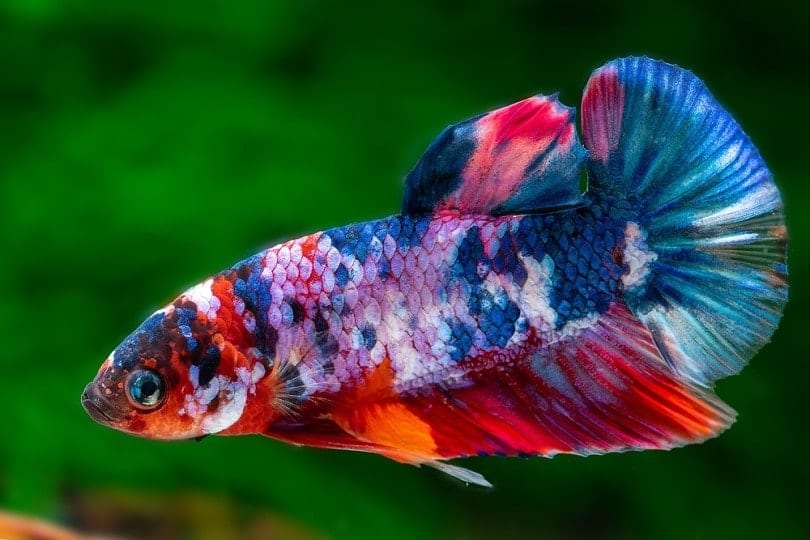
If you’ve kept freshwater fish at any point, you’ve heard of Betta fish. These fish are coveted for their elegant fins and attractive colors. Males, in particular, are extremely eye-catching and can be the perfect centerpiece of your room if you’re willing to provide appropriate care. There are many things people don’t realize about Bettas, however. Keep reading to learn some of the most amazing facts about Bettas.
The 12 Amazing Facts About Betta Fish
1. They Have a Labyrinth Organ
The labyrinth organ is a specialized organ that allows a fish to breathe air. The primary way that Bettas breathe is via their gills, but they can survive out of water for an extended period because of their labyrinth organ.
Some research has indicated that adult fish with a labyrinth organ may benefit from breathing air to get some of their oxygen. This doesn’t mean that you should intentionally take your Betta out of the water or put them in a low-oxygen environment, but you will likely see your Betta going to the surface of the water and taking a gulp or two of air from time to time.
2. Males are Nest Builders
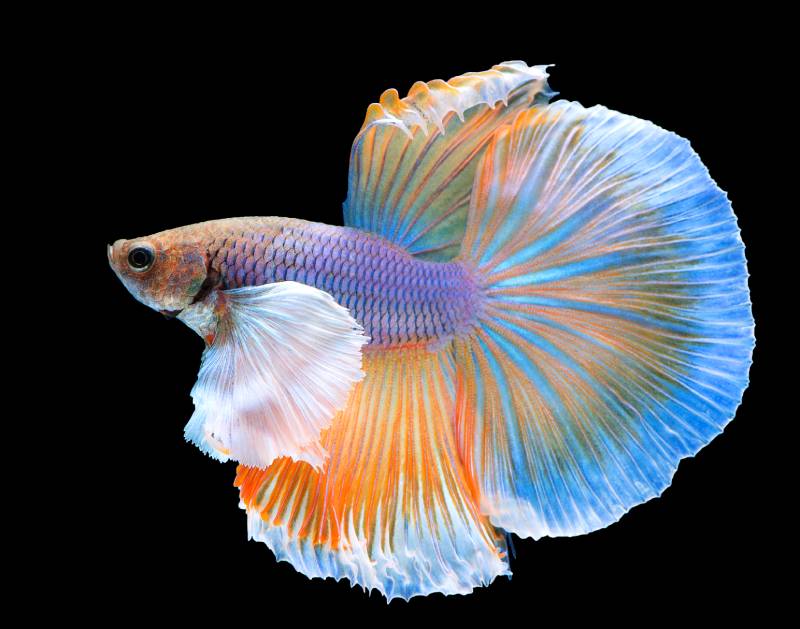
In the animal kingdom, the male’s involvement in the reproduction process and care of the young can vary widely. Male Bettas can often be spotted creating little floating islands of bubbles at the top of their tank. Many people don’t realize this is the male’s way of creating a nest. Bubble nests are built as part of the courting process when a male attempts to convince a female to breed with them.
After breeding, male Bettas will collect the fertilized eggs and move them to the safety of the bubble nest. The eggs take 24–36 hours to hatch, and the male will protect them with everything he has. He will even prevent the female from accessing the nest to keep her from eating the eggs.
After hatching, the fry will stay in the nest for a few days while they absorb nutrients from the remainder of their egg sac. Once this is complete, they will leave the nest and the male Betta’s protection.
3. They Earned Their Fighting Fish Name
You may see Betta fish referred to as “fighting fish” or “Siamese fighting fish.” This is due to the tendency of male Bettas to be highly territorial and aggressive when protecting their space. Their extreme aggression, especially toward other male Bettas, made them a prime pick for people who were interested in cruel animal sports.
In the 1800s, Betta fish were used for fish fights, much like roosters and dogs still are today. These fish were selectively bred for both appearance and aggression. Thanks to selective breeding, we have the beautiful fish we know and love today, but fish fighting is no longer a favorite pastime and is illegal in many areas.
4. There are Over 60 Betta Species
The Betta species we keep as pets in the fishkeeping hobby is the Betta splendens. However, these aren’t the only Betta fish species in the world. There are around 65 species of Bettas around the globe. Some of these species are endangered or have decreasing numbers, including the wild populations of the Betta splendens. Some other Betta species you might hear about are the Mekong fighting fish, the Java fighting fish, and the Spotted Betta.
5. They Can Hybridize
There are multiple Betta species in the world, but some of them can crossbreed, leading to hybridization. At least three Betta species have been crossed with the Betta splendens species. One of these species is the Betta smaragdina, but these offspring often have poor life expectancies. It’s very likely that multiple types of Betta hybrids exist in the wild. Some Betta hybrids have occurred through deliberate breeding attempts in captivity.

6. There are Multiple Colors and Tail Shapes
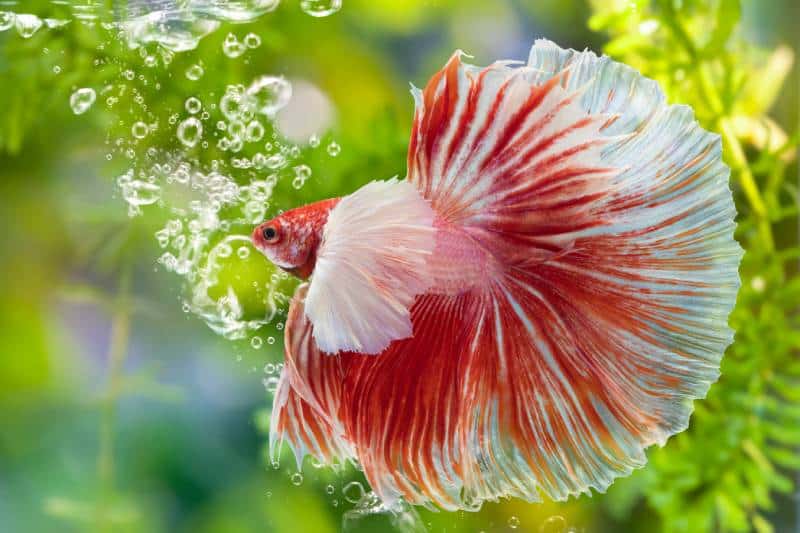
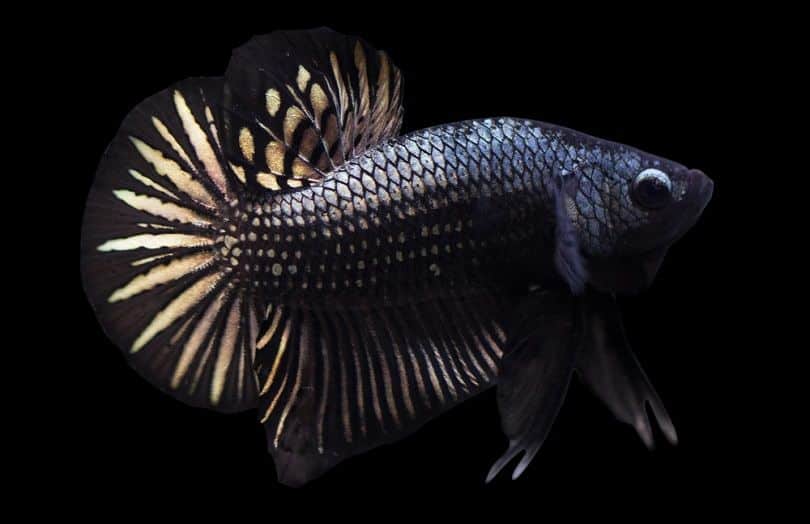
While there are multiple Betta species worldwide, there are also several varieties of Betta splendens. There are numerous colors that Betta fish come in, including red, blue, white, orange, gold, yellow, black, purple, and silver. They also can be found in multicolor varieties and different tail shapes.
Colors and tail shapes are used to differentiate between Betta fish varieties, like Delta, Veil Tail, Spade Tail, Halfmoon, Crowntail, Combtail, Rose Tail, Plakat, and Halfmoon Plakat. The Plakat Betta is most similar to the way that Bettas look in the wild due to the shorter tail.
7. They’re Carnivores
While many people feed their Bettas the same foods they feed all of their other fish, these diets are often inappropriate. This is because many popular fish are omnivores, but Bettas are true carnivores that require high protein diets with minimal plant matter. They cannot survive on plant-based foods alone. When it comes to omnivorous fish foods, they are often too low in protein and appropriate nutrients to meet the needs of a Betta.
In the wild, Bettas primarily subsist on insects, insect larvae, and worms. They are also known to eat small crustaceans and other small aquatic invertebrates.

8. Red and Blue Males Have Differences
While it may seem like there shouldn’t be any notable differences between different colors of Betta fish, some studies have indicated that there may be some unexpected differences between red and blue male Bettas. Recent research has indicated that female Betta fish prefer red males over blue males.
Other studies have indicated that blue males tend to show higher levels of aggression than red males. The brighter coloration and lower aggression levels may work together to make red males more attractive to females than blue males.
9. Wild and Domestic Bettas Look Different
The domestic Bettas that we are used to seeing look very different from their wild counterparts. Betta fish are duller in color in the wild than domestic Bettas. They also tend to have shorter fins, giving them a similar appearance to Plakat Bettas. The primary difference is that Plakats retain some bright colors, while wild Bettas typically only show brighter colors in times of fear or aggression. The appearance of Bettas that we are familiar with is the product of centuries of selective breeding.
10. Females Can Live in Groups
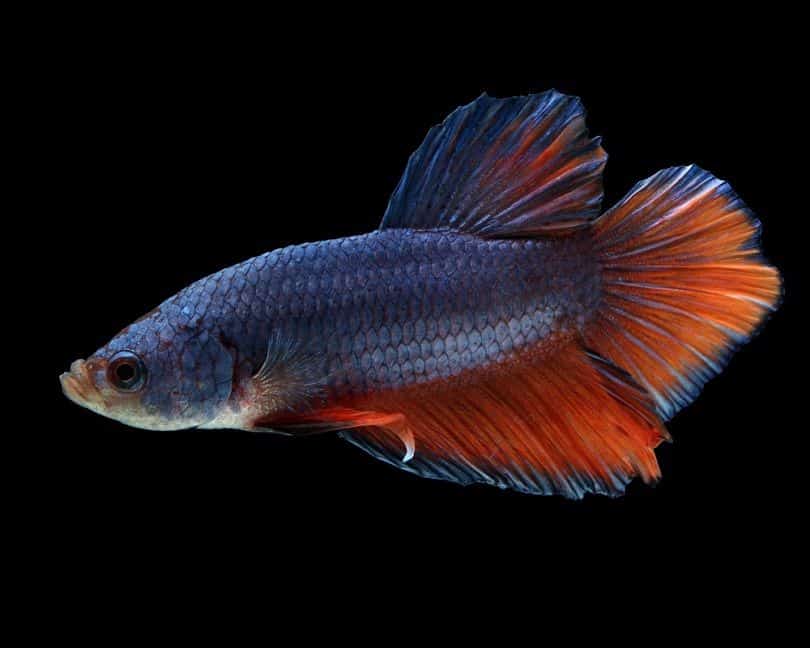
Male Betta fish are known for their aggressive tendencies, as well as their tendency to attack tankmates. When males are kept together, it’s not unusual for them to fight until one fish is mortally wounded or dead. Female Bettas tend to be less aggressive than males, and it is possible to keep females together in sororities or groups that consist of nothing but females. Sororities of Bettas can sometimes do well in community tanks.
A single male Betta shouldn’t be kept with tankmates in most situations. There are some specific exceptions, but male Bettas are too aggressive and territorial to keep them with most tankmates safely. Keeping a male Betta with a female or multiple females is not advisable due to the risk of aggression and bullying.
11. They’re Intelligent
The general belief surrounding fish is that they aren’t intelligent, especially compared to the mammals that we are used to keeping. Interestingly, Bettas have consistently shown intelligence not attributed to most fish species. Bettas are intelligent enough to recognize patterns, including faces, making them able to identify specific people, like the person who feeds them or cleans their tank.
They are also trainable, showing the ability to learn simple tricks. It’s crucial not to foul your fish’s water by overfeeding, so try to turn mealtimes into training opportunities instead of increasing feeding amounts or frequency.
12. They’re Native to Southeast Asia
Bettas have sometimes been called Chinese or Japanese fighting fish, but these names are incorrect because Bettas aren’t from either country. They are native to Southeast Asia, including Thailand, Cambodia, Vietnam, and Laos. In 2019, Thailand named the Betta splendens as their national aquatic animal. The most common place that Bettas are found is in Thailand in the Chao Phraya River.
Because they are from areas that tend to have rainy and dry seasons, they are adaptable fish. Sometimes, Bettas survive in puddles, rice paddies, and ditches. While they can stay in these environments, they don’t thrive in them.
Final Thoughts
There are so many exciting things to learn about the Betta fish, like how advanced their intelligence is. These fish are adaptable and beautiful, which can make them appropriate for beginner and experienced fishkeepers alike. Many people take home a Betta without fully understanding the needs of these lovely fish, and it’s crucial to be fully educated about the Betta’s care before bringing it home.
Featured Image Credit: Ron Kuenitz, Shutterstock
