

A happy piggy is a healthy piggy, but when your floof is skilled at hiding illness, how can you tell whether they need medical attention?
Knowing your piggy well is key to helping you spot when anything is off. As prey animals in the wild, your piggies have become masters at hiding whenever they’re feeling poorly. So it’s down to us piggy pawrents to keep an eye on them.
In this blog, we’ll explore which signs point to a guinea pig health issue, and what kind of regular checks you should perform. Let’s get started!
Daily Guinea Pig Health Checks
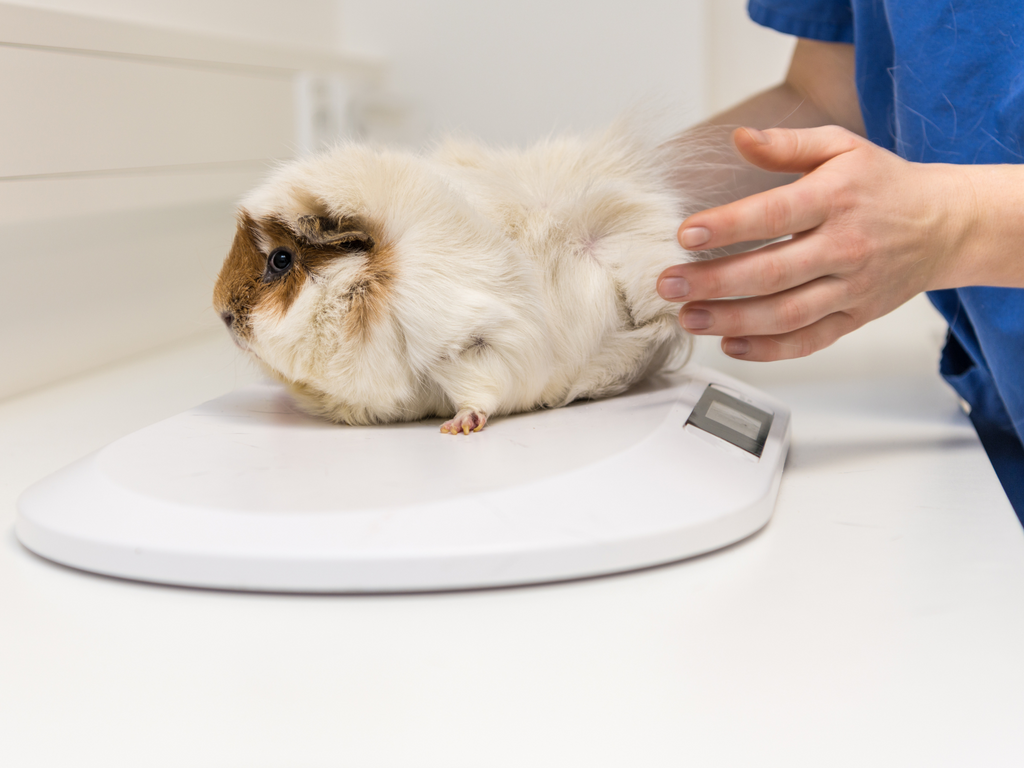
When it comes to guinea pig health, prevention is key. Carry out the following health checks on your guinea pig every day to help prevent or catch illnesses early.
If your piggy is particularly nervous, you can try it without lifting them out of their cage. If that fails to calm them down, then reduce the frequency of health checks from daily to a few times a week.
Face
Ears: Inspect your guinea pig’s ears internally and externally, and watch out for any discharge, crusty skin, wax build-up, or potential wounds. Be gentle when checking, and avoid poking anything inside their ears. Check out this guide on how to clean guinea pig ears.
Eyes: A guinea pig’s eyes should be bright and alert. Observe them to make sure there’s no discharge, and watch out for redness or cloudiness that could indicate a foreign object is stuck in there.
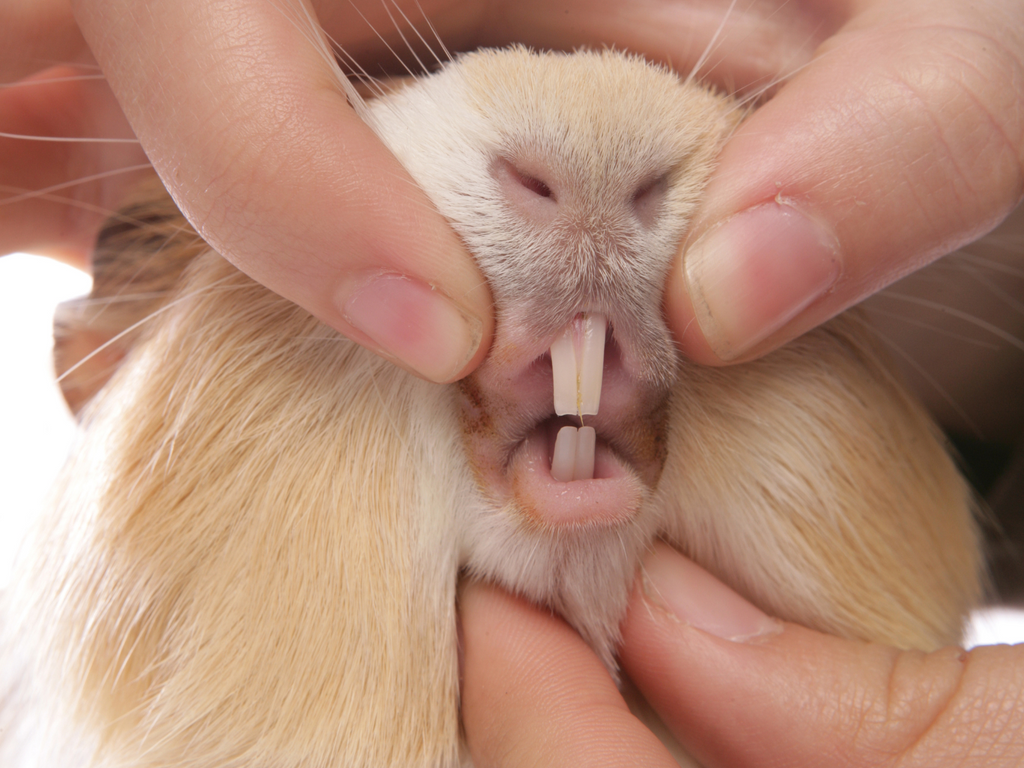
Teeth: Ensure that there’s no drooling in their mouth. Your piggy’s teeth should be smooth, straight, and not overgrown. Good guinea pig teeth care starts with a diet consisting mostly of hay as it helps wear the teeth down.
Nose: Your piggy should be able to breathe without issues or loud noises, and their nose should be clean and dry. Discharge and hair loss around the nose can be cause for concern.
Body
Skin: Inspect your guinea pig’s body for any lumps, cuts, or bumps. The skin should be clean and have no redness or dandruff.
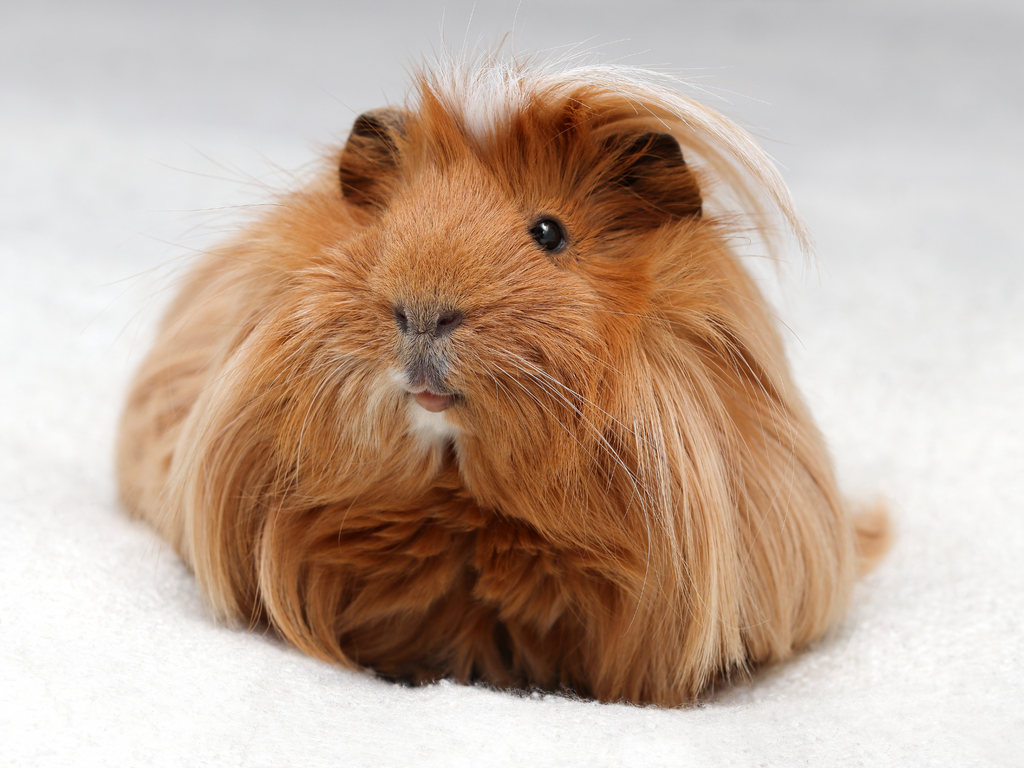
Coat: A healthy guinea pig’s coat is shiny and clean, with no hair loss or matted fur. It’s important to brush your piggy’s coat at least once a week to keep it in check, or daily if they’re long-haired.
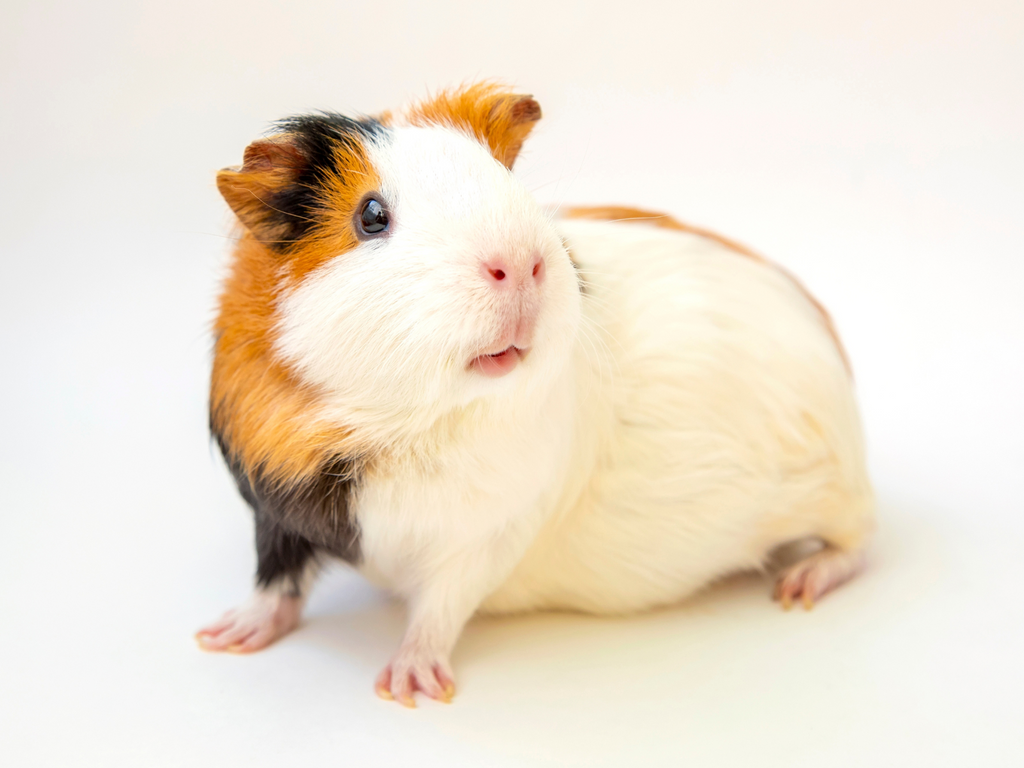
Bottom & Genitalia: Your piggy’s bottom and genitalia should be dry & clean, free from any remaining poop or parasites. These delicate areas should also present no redness or swelling.
Impaction in guinea pigs is a common problem – learn more about what to do when your piggy is impacted in this video by Kavee Rescue’s pig-expert Tara:
https://www.youtube.com/watch?v=fyZZu5ZvZJc
Feet
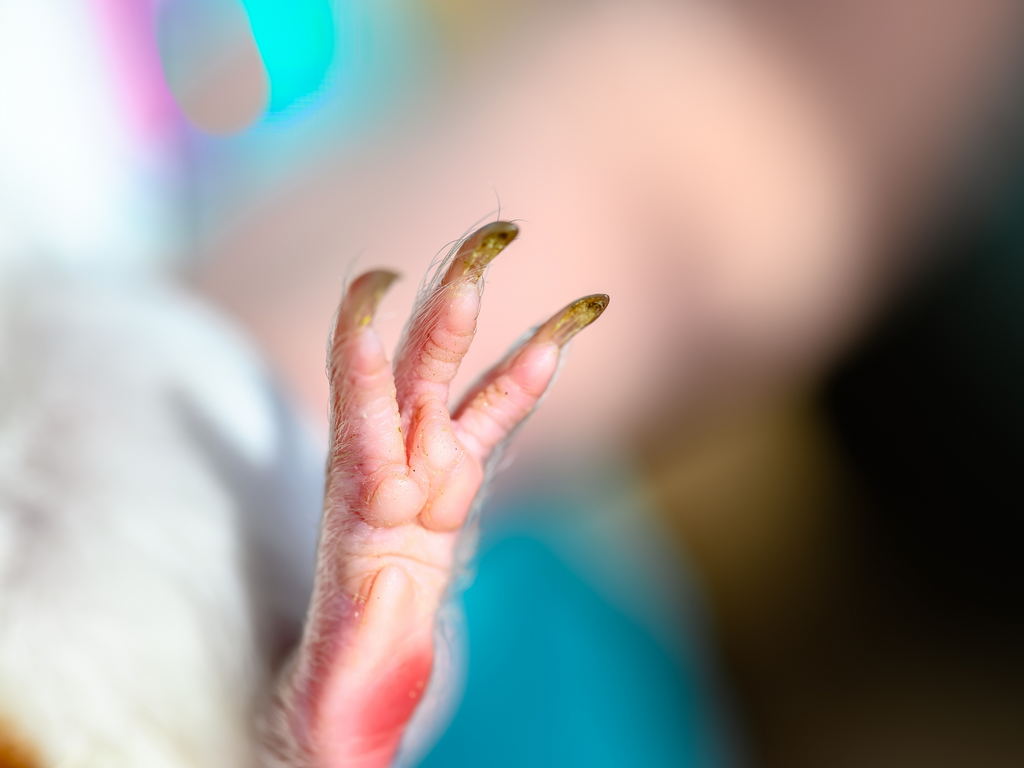
Gently hold your guinea pig’s feet and inspect them for sores, wounds, or overgrown nails. The best way to look after your guinea pig’s feet is by providing them with appropriate cage flooring, like a soft and absorbent fleece liner. Bumblefoot is a super common piggy infection, so keep on reading to learn more about it!
Weekly & Monthly Guinea Pig Health Checks
Nails
As they are constantly growing, you should cut your piggy’s nails at least every month. You can get your vet to help with this task, but learning how to clip your guinea pig’s nails can be a great way to bond! You can get some tips on nail trimming from Tara and Ian:
https://www.youtube.com/watch?v=ztFIwljLSS4
Weight
It’s best to weigh your guinea pigs every week so that you can instantly spot any sudden weight loss. There’s nothing scarier than realising your piggy isn’t eating much or keeps losing weight! The average weight for adult male piggies is 2.2lb-3.5lb (1000g-1500g) and for adult female piggies is 2lb-2.5lb (900g-1100g), but remember it can differ from pig to pig.
Grease Glands
If you have a boar, you must add a grease gland check to your monthly care routine (or more frequently if your piggy’s glands are more active!). Every time they secrete, that oily substance dries out on their fur and skin, which calls for some hooman help. Once again, we have Tara from the Kavee Rescue guiding us through the cleaning of a guinea pig’s grease glands:
https://www.youtube.com/watch?v=6fl-EVX_hwc
Common Guinea Pig Health Issues
We don’t like to think about our floof being poorly, but learning more about piggy health issues ensures they get the right care at the right time. Here’s a list of the most common guinea pig health problems:
Dental Issues
Since their teeth keep on growing, it should come as no surprise that your floof may encounter some problems. It can be common for guinea pigs to accidentally break their teeth, for them to grow unevenly, or to overgrow if the piggies aren’t eating well. The key signs of dental issues in guinea pigs are changes in eating behaviors, teeth longer than one another, or ground down at an angle.
Bumblefoot
Your piggies love nothing more than to zoom and popcorn around so painful feet can really make life tougher for your sweet floofs. Bumblefoot is a common infection of piggies’ feet caused by unsuitable flooring, a dirty environment, or overgrown nails. The daily checks we previously mentioned can significantly help with preventing this issue!
Vitamin C Deficiency
Guinea pigs are unable to produce Vitamin C, a much-needed nutrient that cares for their joints and skin. If you don’t supplement this deficiency by providing them with foods rich in Vitamin C, they could later develop scurvy.
Signs of Vitamin C deficiency in guinea pigs include difficulty walking, a rough coat, and swelling at the joints. Many safe vegetables and fruits can be given as treats for a Vitamin C boost.

Parasites
Your piggies are experienced poopers, competitive hay eaters, and overall messy little guys. Any of these things are bound to attract nasty parasites like mites and lice, especially in warmer seasons and if the piggies live outdoors. However, piggies are more at risk of parasite infections when they’re stressed (which compromises their immune system), live in a dirty cage, don’t groom, and are generally unwell.
Guinea pigs with mites have visibly crusty skin, hair loss, and act more lethargic than normal. While guinea pigs with lice will be more restless, have severe itching, and even inflamed skin. Keep a clean cage and maintain a regular grooming routine to prevent guinea pig parasites from going near your furry friends.
While piggies don’t need to regularly visit the vet for worming, you can help prevent or treat infections with a spot-on treatment called Ivermectin. This can be applied externally either on their ears or mouth.
Here’s an example of how to treat lice for guinea pigs by Kavee Rescue’s pig-expert Tara:
https://www.youtube.com/watch?v=kB7H48nQmv4
Fungal Skin Issues
A dirty guinea pig cage and humid weather can contribute to the development of fungal spores, both in your piggy’s living environment and on their coat.
A common fungal infection in guinea pigs is ringworm, of which symptoms include inflammation, a rough coat, flaky skin, and fur loss. The best way to prevent fungal issues is to keep a wheeky clean cage!
Gastrointestinal (GI) Stasis
A guinea pig’s digestive system is quite sensitive, and if anything throws it off, it can become a serious health issue. GI stasis happens when a lack of balance in the gastrointestinal tract causes it to slow down, or stop completely. Some of its common signs are a lack of appetite, diarrhea, lethargic behaviors, pain, and difficulty producing stools. The best prevention for GI stasis in guinea pigs is a fiber-rich balanced diet.
Heatstroke
While summer can be a great time for your piggies to have fun outdoors, the warmer weather can present a serious danger. Your floofs don’t have sweat glands, so temperatures around 82°F (28°C) and above can lead to heatstroke in guinea pigs. You can help them cool down by keeping them away from sun-facing windows and providing them with a cooling mat and freezable bottle.
Ovarian Cysts
Piggy parents of sows should also watch out for ovarian cysts. Sometimes, these can be felt when examining your piggy’s body, but some other signs include hair loss around the tummy, loss of appetite, and pain around that area.
Bladder Stones
Bladder stones in guinea pigs are a common concern, and can sometimes be caused by a high-calcium diet and a lack of exercise. Bear in mind that calcium is good for your piggies, it’s just important to not overdo it with snacks that have a high calcium content.
Some of the common signs of bladder stones in guinea pigs are blood and/or small crystals in the pee, signs of pain when they pee, and frequent peeing.
When Guinea Pigs Need a Vet Visit
As we mentioned before, preventative care is important. While all of the above guinea pig health issues call for an immediate trip to the vet, you should also make sure you book a visit for the following situations:
Yearly Check-ups
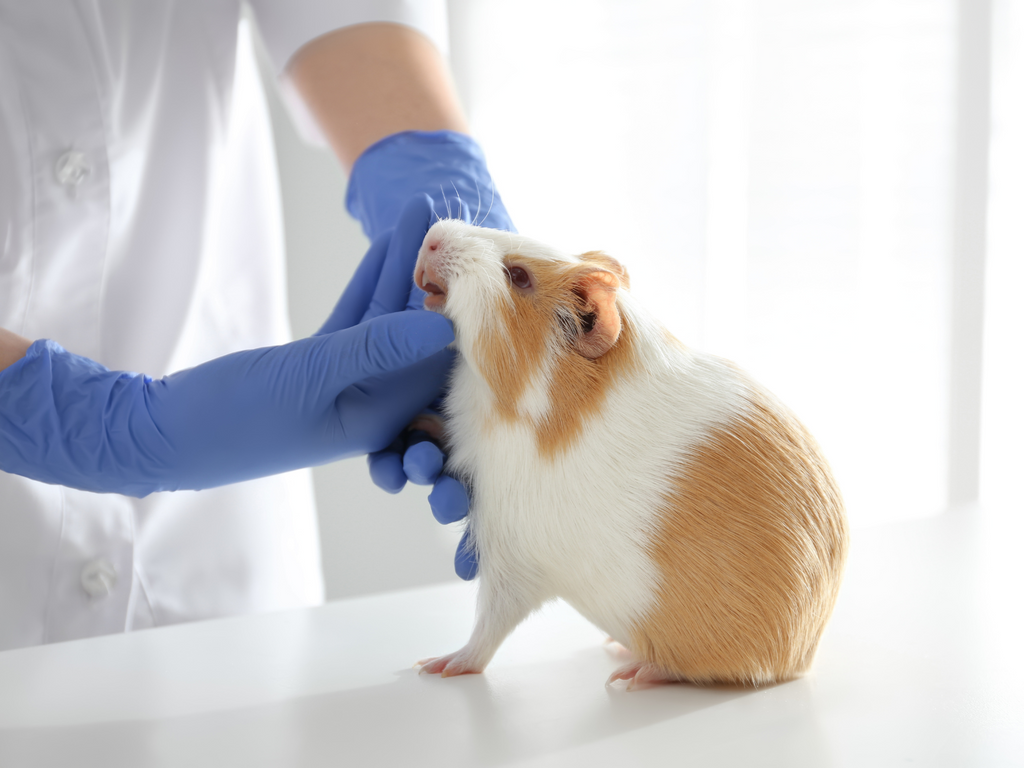
Even if they’re the picture of health, bring your guinea pig to the vet at least once a year for a check-up. While they can’t get vaccinated, piggies know how to hide signs of illness, so sometimes only an experienced cavy-savvy vet might be able to spot that something’s not right!
Neutering
The idea of cute baby piggies might encourage you to skip any neutering, but the realities of a guinea pig pregnancy and a house full of pups can be tougher than you think.
If you plan on mixing female piggies with male piggies, it’s best to have your boar neutered from around 2 to 3 months old (sows can get pregnant as early as 2 months old!).
Grooming
While grooming can be a fantastic opportunity to bond with your pet, we understand that not every piggy pawrent will feel comfortable with this task. If it’s your first time grooming your guinea pig or their hair knots and overgrown nails are beyond your grooming skills, let your vet help out.
Unusual Changes
As we mentioned at the beginning, it’s important to know your piggies well. That will help you notice if your guinea pigs are behaving differently, not moving much, and not eating or drinking. All of these unexpected changes call for a trip to your cavy-savvy vet!
Conclusion
There’s no better way to ensure your piggy’s happiness than by caring for their health. By keeping an eye on your floof and spotting anything that is out of the ordinary, you’re already doing a great job as their pawrent. If you’re ever in doubt, don’t be afraid to ask your vet, and always keep a well-equipped medical kit within reach for emergencies and regular checks.
