

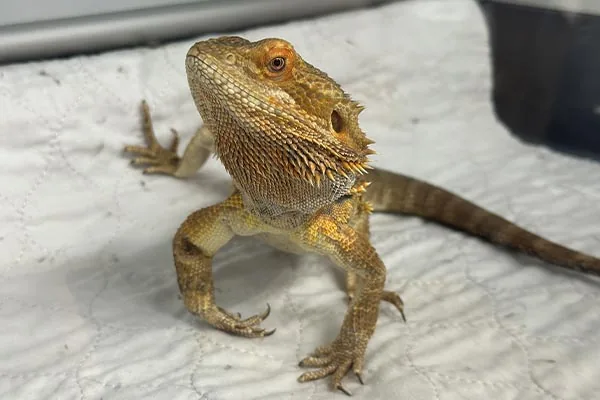
Providing a complete and balanced diet is essential when you are keeping any pet. When it comes to reptiles, a complete and balanced diet is crucial to their health, as they can decline quickly when proper nutrients aren’t offered daily. Not doing so can result in irreversible health consequences. Calcium is the most important nutrient for your reptile. When your reptile is deficient in calcium, their bones weaken over time which can lead to fractures and severe weakness.
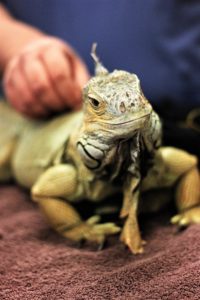
How do I know if my reptile is getting enough calcium daily?
Bringing in your reptile for regular exams with your veterinarian is the best way to know if your reptile is healthy. Your veterinarian can run routine diagnostics on your pet to make sure they are healthy and not at risk of diseases. Bringing your pet in for routine exams gives your veterinarian the opportunity to catch any underlying illness early enough to treat.
What are signs of deficiency in my reptile?
- Swollen legs
- Softening of the jaw
- Tremors
- Lethargy
- General weakness
- Constipation
- Decreased appetite
- Partial paralysis
If your reptile is showing any of the listed symptoms, call your veterinarian as soon as possible. Do not try to self-treat your pet at home as it can risk is further injury or death. At the Veterinary Center for Birds and Exotics, we always recommend that you contact us if you feel your pet is having an emergency. By being available 24/7/365 for phone consultations, our staff can help you decide whether your pet needs to be examined immediately by a doctor or if it’s okay for you to make a scheduled appointment. Never try to self-treat your pet at home or “Google” treatment. Doing so may cause more harm than good for your pet. If you think your pet is having an emergency, keep them in a safe, quiet environment to prevent any further stress, and call us right away.
For more information on how to meet your reptile’s needs, give us a call to make an appointment!
