

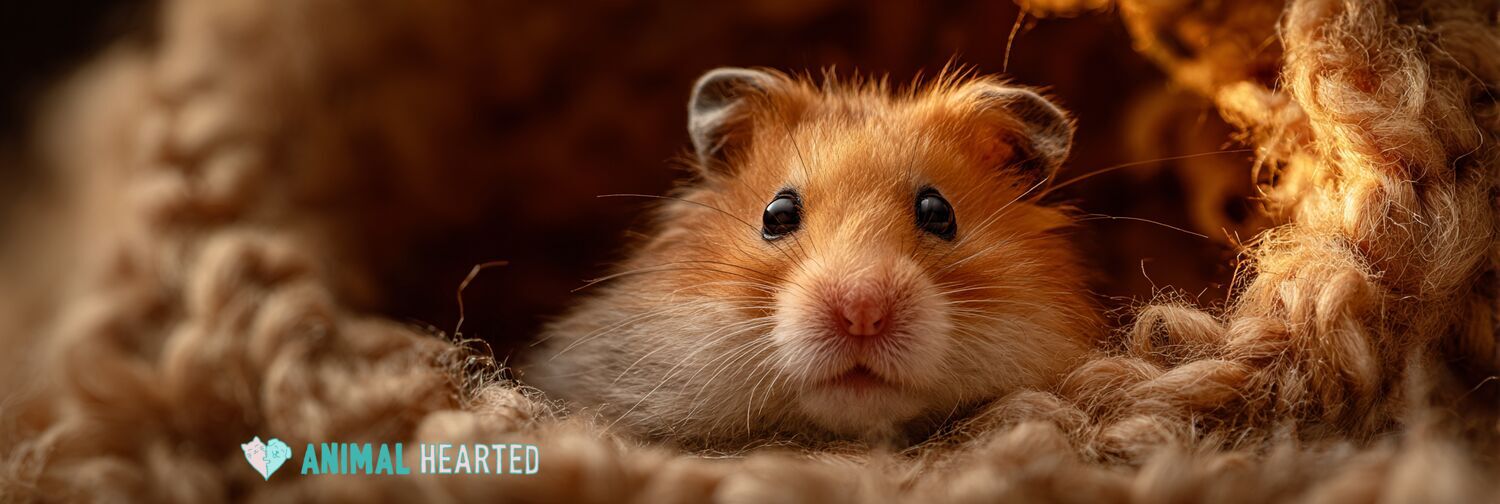
Long-haired Syrian hamsters go by a much cuter name: teddy bear hamsters.
One look at that fluffy coat and you’ll understand why.
Originally from Syria and Turkey, these little guys are one of the most popular small pets around. They’re friendly, curious, and surprisingly fun to watch once they settle into their environment and get comfortable.
That gorgeous long fur does come with a small catch. Unlike short-haired Syrians, teddy bears need regular brushing to prevent tangles and keep their coat clean. It’s a small commitment, but it doubles as bonding time.
Before you bring one home, it helps to know how much it costs to own a hamster and whether this breed fits your lifestyle. With the right care, these little guys can be wonderful companions for years.
Defining The Syrian Hamster
When you’re considering a pet Syrian hamster, you’re looking at a creature with a rich heritage, diverse looks, and a unique set of behaviors. These hamsters offer a range of colors and coat types, and they exhibit nocturnal and territorial behaviors.
Origins and Discovery
The Syrian hamster, scientifically known as Mesocricetus auratus, was first discovered in Syria and later in parts of the Middle East. This discovery allowed the Syrian hamster to become a favored pet across the globe, known for its adaptability and charm.
Physical Characteristics
An adult Syrian hamster typically measures 6-7 inches in length, with some variation. They usually weigh around 120-125 grams, making them a sturdy choice for a small pet.
They are also known for their large cheek pouches, small ears, beady eyes, and a very short tail. Their coats can vary, with long-haired Syrian hamsters being particularly sought after for their fluffy appearance.
Behavioral Traits
Syrian hamsters are nocturnal, meaning they are most active during the night. They are quite tame with regular handling and known for their docile temperament. However, they are territorial and should be housed alone, as they are solitary animals and may fight with other hamsters.
Varieties and Genetics
From the traditional golden hamster to the fuzzy teddy bear hamster, the black bear hamster, and the fancy varieties, Syrian hamsters boast a plethora of colors and patterns. Some, like the long-haired Syrian hamsters or angora types, have extensive grooming needs due to their luxuriant fur.
Conservation Status
Although Syrian hamsters are widely kept as pets, their status in the wild is contentious, with concerns about their declining numbers in their native habitats. This has led to discussions on whether they could be considered as endangered in their natural environments.
Hamster Habitation

Creating a safe and engaging environment for your long-haired Syrian hamster involves providing an appropriate enclosure, suitable bedding, and a selection of accessories and toys. Regular maintenance and attention to environmental enrichment are also crucial for your hamster’s well-being.
The Ideal Enclosure
The enclosure you choose should be spacious and secure. Large cages or enclosures with a minimum size of 24 inches by 12 inches and at least 12 inches high are recommended to allow ample room for exercise and play.
Glass aquariums or wire cages with a solid base are both suitable options but ensure the hamster cage bar spacing is narrow enough to prevent escapes.
Choosing Substrates and Bedding
Selecting the right substrate and bedding is vital for your hamster’s comfort and health. Paper-based or aspen bedding is preferable, as it is absorbent and safe for hamsters. Avoid cedar or pine, as they can cause respiratory issues. A sand bath area can also be provided, as hamsters enjoy using it for cleaning their fur.
Essential Accessories and Toys
To satisfy your hamster’s need for exercise and stimulation, include an exercise wheel or hamster ball in their habitat. Ensure the wheel is solid-surfaced and large enough to prevent back strain. Toys are important too, for mental stimulation and to help reduce the risk of overgrown teeth.
Maintenance and Cleaning
Regular cleaning is key to preventing health problems like wet tail or mites. Remove soiled bedding daily, clean and refresh food and water supplies, and do a thorough cleaning of the entire cage weekly.
Environment Enrichment
Incorporate tunnels, platforms, and hideouts to enrich your hamster’s environment. These additions should encourage natural behaviors like burrowing and exploring, supporting both physical and mental health.
Common Housing Issues
Be vigilant for signs of common housing issues such as chewed bars, which can indicate cage boredom or a cage that is too small. Also, watch for dampness in the bedding, which can lead to health issues like mites or wet tail, and ensure there’s no accumulation of droppings or urine, to keep the enclosure hygienic and odor-free.
Caring For Long Haired Syrian Hamsters
Long Haired Syrian Hamsters bring a unique charm into your life as a pet owner, but their care demands your attention. Their lifespan typically spans 2 to 4 years, so consistent care is crucial for their well-being.
Diet and Nutrition
Your long-haired Syrian hamster deserves only the best hamster food. It requires a balanced diet rich in variety. Feed them a mix specifically formulated for hamsters, which includes seeds, grains, and nuts. As omnivores, they also enjoy fresh fruits and vegetables occasionally; however, ensure these are given in moderation to prevent diarrhea.
- Daily Serving:
- 2 teaspoons of hamster mix
- Fresh water
Grooming and Hygiene

Grooming these pets regularly is essential to prevent tangles and matting in their fur. For grooming, use a small, soft brush to gently remove debris from their coat. Avoid bathing your hamster, as it can cause stress and health problems. Instead, offer a sand bath for them to clean themselves.
- Weekly Care Routine:
- Brush fur
- Check for soiled bedding
- Clean sand bath
Health and Veterinary Care
Be on the lookout for common health problems such as tumors, wet tail, and respiratory infections. Providing a clean environment and regular vet check-ups can help catch issues early. Watch for any changes in behavior or appearance, which could indicate illness.
Taming and Handling
Hamsters are naturally nocturnal and may require patience when taming. They’re considered docile and easy to tame with regular handling. When they wake up in the evening, spend time letting your hamster get used to your scent and touch. Offer treats as a positive reinforcement.
Exercise and Play
Regular exercise is vital for your hamster’s health and happiness. Equip their living space with an appropriately-sized hamster tubes and a wheel for nightly runs. Hamster balls allow safe exploration outside the cage; limit their time in the ball to 15-20 minutes to avoid exhaustion.
Breeding and Reproduction
Breeding Long Haired Syrian Hamsters should be left to experienced breeders, as it requires understanding their social behaviors and separation of males from females after mating to prevent stress.
If breeding does occur, be prepared with a plan for the offspring, recognizing that female hamsters can be fiercely protective of their pups.
Adopting A Syrian Hamster

Bringing a long-haired Syrian hamster into your home is an exciting adventure that requires careful consideration. You’ll need to choose a reputable breeder or pet shop, assess your potential pet’s health and temperament, understand all associated costs, and prepare your home for this new addition.
Choosing a Pet Shop or Breeder
It’s crucial to select a pet shop or breeder with a reputation for ethical and selective breeding practices. Look for places that provide detailed information about the lineage and health of their Syrian hamsters.
Avoid purchasing from sellers where hamsters appear crowded or neglected, as this can be indicative of health problems.
Assessing Hamster Health and Temperament
Take time to observe the long-haired hamsters for any signs of illness, such as lethargy or unkempt fur. A healthy hamster should be alert and active. The temperament should seem friendly and curious, but remember, as nocturnal animals, they may be less active during the day.
Costs and Budgeting for a Hamster
Expect to budget for the initial price of your hamster, which can vary. Here are the typical costs:
- Hamster: $10 – $30
- Cage: $30 – $100
- Accessories & Initial Food Supply: $50 – $100
Additional costs include ongoing food, bedding, and potential vet care. Consider that while Syrian hamsters are relatively low-maintenance, recurring expenses are part of the deal.
Preparing for a Long-Term Commitment
Syrian hamsters have a lifespan of 2 to 3 years. Ensure you’re prepared for this duration. Contemplate the care and maintenance needed, including regular cage cleaning, feeding, and time for interaction.
Hamster-Proofing Your Home
Before your new pet arrives, make your home safe. Secure any small gaps they could squeeze through and remove accessible toxic plants or wires that can be chewed. Here’s a checklist:
- Seal gaps in walls or around doors.
- Stow away electrical cords.
- Check for hazardous materials at the hamster’s level.
These steps ensure a suitable environment for your long-haired Syrian hamster to thrive, keeping hazards to a minimum.
READ NEXT: Dwarf Hamster Breeds: A Pocket-Sized Guide to Tiny Companions
Frequently Asked Questions

Taking care of a long-haired Syrian hamster involves proper grooming, diet, and an understanding of their unique traits. Here are answers to some common questions about these adorable pets.
How do I care for a long haired Syrian hamster?
Your long-haired Syrian hamster will need regular grooming to prevent tangles in their fur. Set up a comfortable cage with proper bedding, provide a diet of hamster food supplemented with fresh vegetables, and ensure they have access to water and a wheel for exercise.
Can long haired Syrian hamsters be friendly pets?
Yes, with regular handling and bonding sessions, long-haired Syrian hamsters can become very friendly and enjoy interacting with you. It’s important to be patient and gentle with them, as they can be shy initially.
What is the lifespan of a long haired Syrian hamster?
While the lifespan of a long-haired Syrian hamster generally ranges between 2 to 3 years, individual lifespans can vary depending on genetics, care, and environment.
What are the personality traits of a long haired Syrian hamster?
Long-haired Syrian hamsters are known for being solitary and territorial animals. It’s important to house them alone after they reach maturity to prevent fights. They are nocturnal, so expect them to be most active at night.
What colors do long haired Syrian hamsters come in?
Long-haired Syrian hamsters can come in various colors, including white, cream, black, gray, and even patterns like banded or spotted. Each has a unique and beautiful coat.
What should I consider when choosing between a male or female long haired Syrian hamster?
When choosing between a male or female hamster, consider that males may have longer fur, especially around their hindquarters, known as “skirts.” However, temperament is more important than gender, so look for a hamster that is calm and comfortable during handling.
