

And How Adorable Things Affect Our Brains & Drive Behavior
What’s the cutest thing you’ve ever seen? The odds are quite high that it involves either a baby, a guinea pig, or some other adorable creature(s) . Chances are also very high that this made a significant and lasting impression on your mind and your behavior.
But what makes us find something “cute”? What neurophysiological processes are at play, and why have we developed such a strong detector for the adorable?
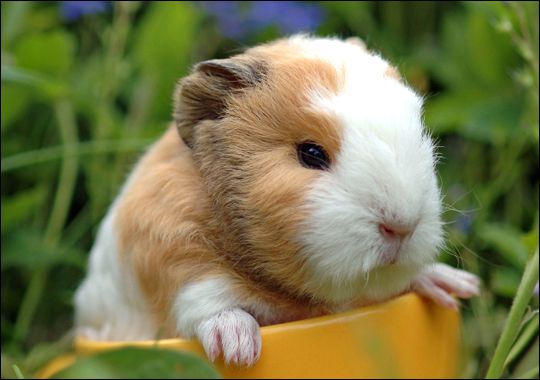 Cuteness, a universal concept that tugs at our heartstrings, transcends cultural boundaries and linguistic barriers. Be it the innocent smile of a baby, a big-eyed teddy bear, or a sweet little guinea pig happily munching on some lettuce, cute things have a unique power to capture our attention and elicit strong emotions.
But what exactly is the captivating force behind cuteness, and how does it manifest in the human brain? In a collaborative effort, researchers have delved into the phenomenon of cuteness and discovered that it’s not limited to mere visual appeal; it engages all our senses and can profoundly affect our behavior.
This article explores the science behind cuteness, the neural mechanisms at play, and how it influences our actions, including potentially making us more compassionate.
“Cuteness” is a subjective and culturally influenced perception that describes the quality of being endearing, charming, and visually appealing. It is a combination of certain physical and behavioral traits that evoke a strong emotional response and often elicit feelings of affection, care, or protectiveness.
Cuteness is not limited to a specific age group or species; it can be associated with babies, animals, inanimate objects, and even some adult individuals who possess certain features or behaviors that align with the qualities traditionally considered cute.
The Multisensory Nature of Cuteness and the Human Brain’s Response
Sensory aspects involved in perceiving cuteness include visual, auditory, olfactory, and tactile elements. Here are some examples of these sensory aspects:
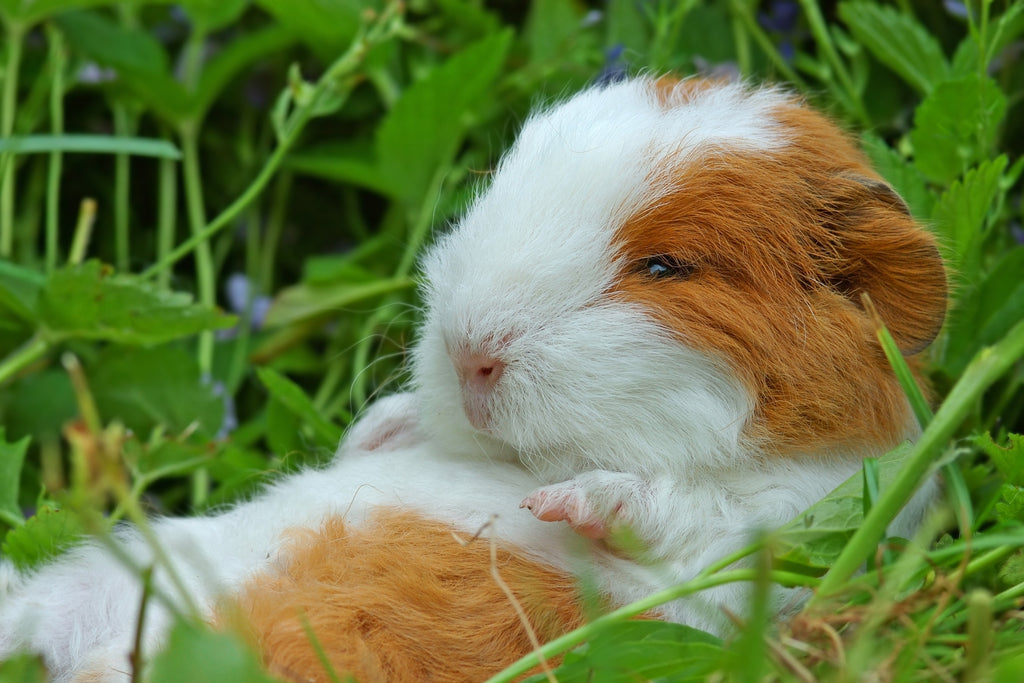
Visual Aspects:
- Large Eyes: Big, round, and expressive eyes are a hallmark of cuteness. They convey innocence and vulnerability, making an organism or object appear endearing.
- Chubby Cheeks: Round and plump cheeks give a soft and youthful appearance, which is often associated with cuteness.
- Baby Proportions: Having features that resemble those of human infants, like a large head in proportion to the body, can make an entity look cute.
- Symmetry: Symmetrical faces and bodies are typically perceived as more attractive and, by extension, cuter.
- Soft Features: Smooth, soft, and smooth-edged features, like soft skin, are visually appealing and contribute to cuteness.
Auditory Aspects:
- Vocalizations: Sounds such as baby laughter, cooing, or animal noises, especially when they are high-pitched, evoke a sense of cuteness.
- Gentle or Playful Sounds: Soothing and gentle sounds can enhance the perception of cuteness, as they align with the idea of harmlessness and innocence.
Olfactory Aspects:
- Baby Scent: The natural scent of a baby, often described as a sweet, clean, and comforting smell, contributes to the perception of cuteness and triggers feelings of affection.
Tactile Aspects:
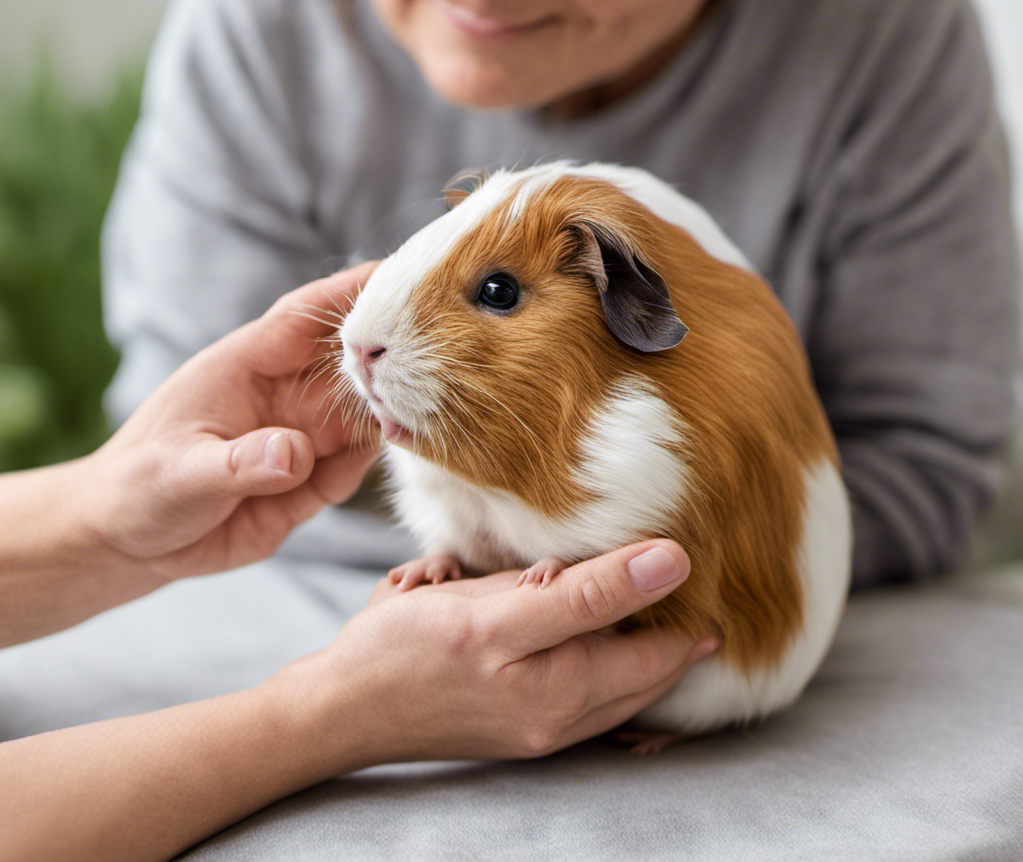
- Softness: A soft and cuddly texture, such as that of a plush toy or a baby’s skin, enhances the tactile experience of cuteness.
- Chubbiness: The sensation of chubby limbs or a cuddly body can elicit the desire to touch and hold the entity, enhancing the perception of cuteness.
While these sensory aspects are commonly associated with cuteness, it’s important to note that individual perceptions of cuteness can vary based on cultural, personal, and contextual factors. What one person finds cute, another might not, and cultural norms and personal experiences play a significant role in shaping these perceptions.
The Neurophysiology Behind Cuteness:
Several parts of the brain are involved in detecting cuteness and processing the emotional response to cute stimuli. One key area that plays a significant role in this process is the orbitofrontal cortex. Here are some of the brain regions associated with the perception of cuteness:
Orbitofrontal Cortex: The orbitofrontal cortex, located in the frontal lobes of the brain, is responsible for processing emotions and pleasures. It plays a crucial role in evaluating the emotional significance of sensory stimuli, including cuteness. This area becomes active when individuals perceive something as cute, triggering a pleasurable response.
Anterior Cingulate Cortex: The anterior cingulate cortex is another region of the brain associated with the perception of cuteness. It plays a role in regulating emotional responses and empathy. When cute stimuli are encountered, this area may become active, contributing to the emotional reactions and feelings of compassion associated with cuteness.
Nucleus Accumbens: The nucleus accumbens is a part of the brain’s reward system and is involved in the processing of pleasurable experiences. It is activated in response to cute stimuli, leading to feelings of joy and positive reinforcement.
Amygdala: The amygdala, which is involved in processing emotions and emotional memories, is also engaged when people perceive cuteness. It can contribute to the emotional and memory-related aspects of experiencing cute things.
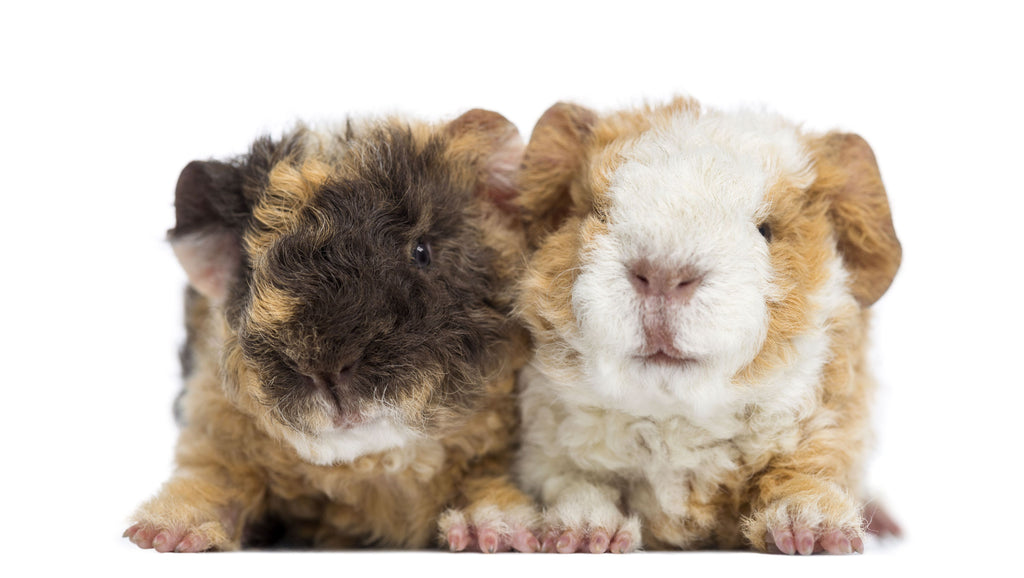
Visual and Auditory Cortices: Sensory areas of the brain, such as the visual and auditory cortices, play a role in detecting the visual and auditory cues that contribute to cuteness. For example, the visual cortex processes facial features like large eyes and chubby cheeks, while the auditory cortex responds to the sounds and vocalizations of cute animals or babies.
Prefrontal Cortex: The prefrontal cortex, which is involved in decision-making, attention, and social cognition, may also play a role in processing the appeal of cute stimuli and guiding subsequent behaviors.
These brain regions work together to create the overall experience of cuteness, triggering emotional responses, capturing attention, and influencing behavior. The intricate interplay of these brain areas highlights the complexity of our response to cute things and helps us better understand why we find them so captivating.

The Involvement of the Brain’s Reward System:
- When we perceive something as cute, our brain’s reward system, a complex network of neural pathways, springs into action. This system is responsible for processing pleasure and reinforcing behaviors that promote well-being and survival.
- The perception of cuteness triggers a release of feel-good chemicals in the brain, primarily dopamine. Dopamine is associated with feelings of pleasure and is linked to motivation and reward.
- This reward system evolved to ensure we pay attention to and care for young, vulnerable creatures, such as infants, by making the experience pleasurable and reinforcing our nurturing behaviors.
The Release of Dopamine and Oxytocin:
- Cuteness-induced pleasure is not limited to dopamine; another key neurotransmitter at play is oxytocin, often called the “love hormone” or “bonding hormone.” Oxytocin is released during social interactions and is linked to emotional bonding, trust, and empathy.
- When we encounter something cute, our brains release both dopamine and oxytocin. These chemicals reinforce our emotional connection with the cute entity and trigger feelings of warmth, affection, and attachment.
The Activation of the Orbitofrontal Cortex:
- The orbitofrontal cortex, a region located in the frontal lobes of the brain, plays a pivotal role in processing emotions and pleasure. It’s quickly activated (often in a fraction of a second) upon seeing something cute.
- This brain area evaluates the emotional significance of sensory stimuli and helps us perceive cuteness as pleasurable and rewarding.
- The rapid activity of the orbitofrontal cortex partly explains why we can’t resist the charm of cute entities.

The Impact of Cuteness on Emotions and Pleasure:
The release of dopamine and oxytocin, combined with the rapid activation of the orbitofrontal cortex, leads to a cascade of positive emotions and feelings of pleasure.
People tend to experience joy, affection, and a sense of well-being when exposed to cute stimuli, which makes them irresistible and captivating.
The Selective Attention Bias Toward Cuteness:
When we encounter something cute, our brains prioritize it, creating a selective attention bias. This means that cute entities receive privileged access to our conscious awareness.
Babies, animals, and other cute things can divert our attention away from other stimuli, making them difficult to ignore.
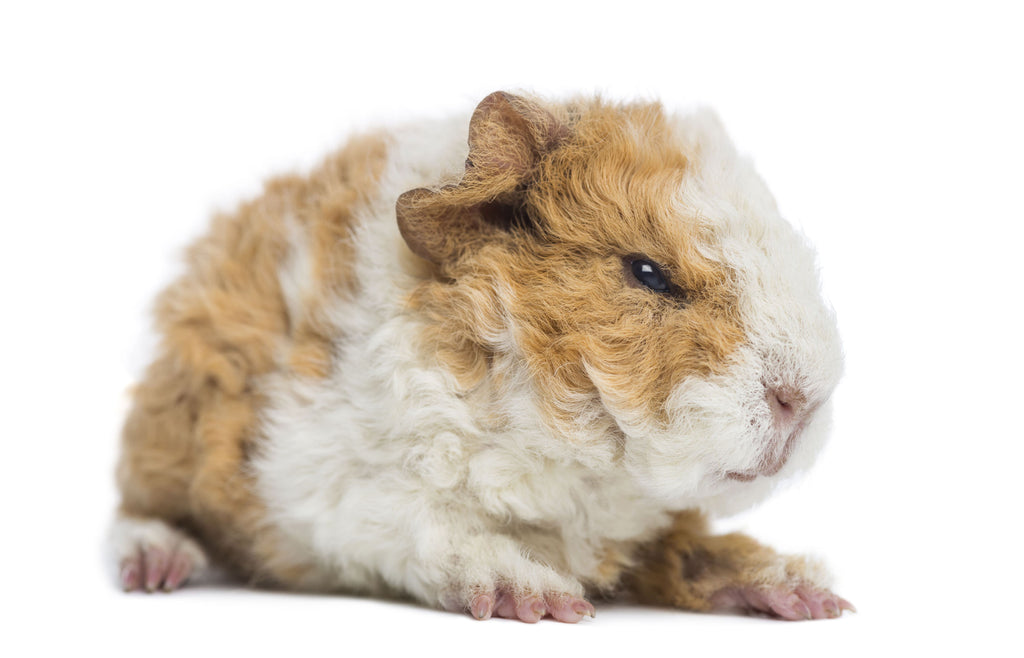
This bias in attention not only helps ensure the survival and care of vulnerable young creatures but also adds to the overall charm of cuteness by making us more responsive to it.
The brain’s response to cuteness is a remarkable interplay of neurological mechanisms that reinforce our nurturing instincts, trigger pleasurable sensations, and capture our undivided attention.
Understanding the science behind cuteness sheds light on why we find adorable things so captivating and heartwarming, and it helps us appreciate the complex neurological underpinnings of our emotional responses to the world’s cutest phenomena.
Its multisensory appeal, rapid neural activation, and ability to trigger empathy and compassion make it a force for good in all of our lives, and it is directly connected to gratitude and thoughts of well-being. Cuteness, it seems, may have the potential to make us better and happier versions of ourselves.
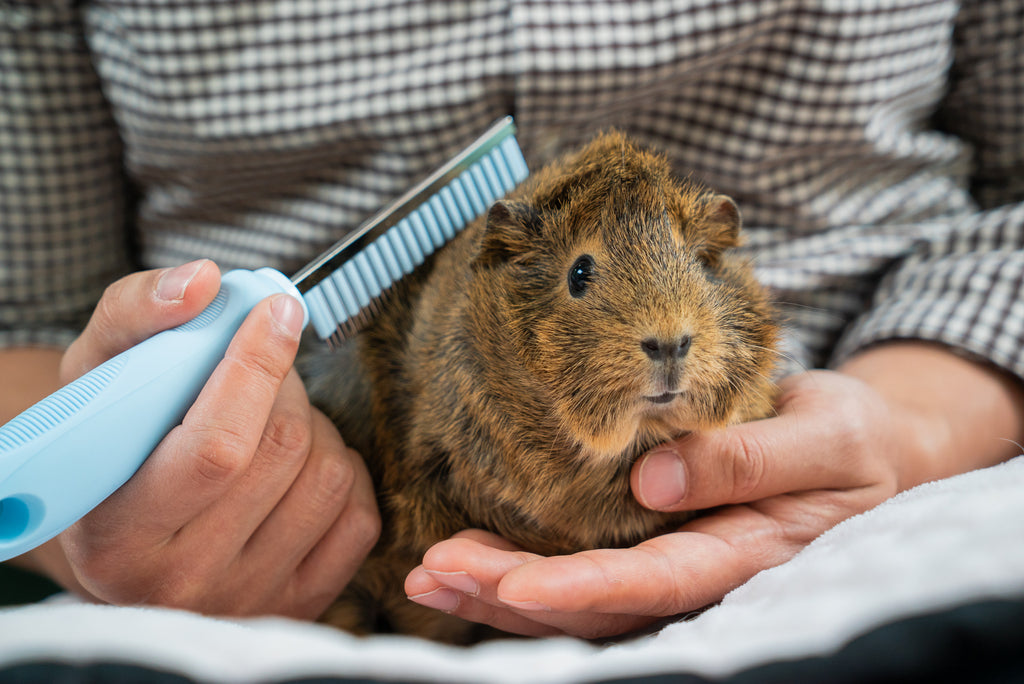
We hope this has inspired you to go look at some cute guinea pigs! It seems like it’s an important part of any good mental health routine!
Until next time, GuineaGang!
~ GuineaDad
