Close Menu
GenzyPets

    Subscribe to Updates

    Get the latest creative news from FooBar about art, design and business.

    What's Hot

    Setting Up the Perfect Chinchilla Habitat: What Every Owner Needs to Know

    Safe Fruits & Veggies for Reptiles (and Which to Avoid)

    Abigail’s House Of Buns – Chapter 88 – Speaking Rabbit

    Facebook X (Twitter) Instagram
    Trending
    • Setting Up the Perfect Chinchilla Habitat: What Every Owner Needs to Know
    • Safe Fruits & Veggies for Reptiles (and Which to Avoid)
    • Abigail’s House Of Buns – Chapter 88 – Speaking Rabbit
    • Spooky Maze Nights with Gizmo | Small Pet Select Blogs
    • October 25th, 2025: Top Cuties of the Week
    • Boo! Which rabbit or guinea pig is the scariest or funniest of them all?
    • Do Rabbits Get Bored? How to Keep Your Bunny Mentally Stimulated
    • Abigail’s House Of Buns – Chapter 89 – Trick or Treat
    Facebook X (Twitter) Instagram
    GenzyPets
    Friday, July 31
    • Home
    • Birds
      • Budgies
      • Canary Care
      • Cockatiels
      • Lovebirds
    • Chinchillas
      • Chinchilla Care
      • Chinchilla Food
      • Chinchilla Health
      • Chinchilla Cages
    • Ferrets
      • Ferret Behavior
      • Ferret Care
      • Ferret Food
      • Ferret Health
    • Fish & Aquatic Pets
      • Aquarium Care
      • Betta Fish
      • Goldfish
      • Shrimp Tanks
    • Guinea Pigs
      • Guinea Pig Breeds
      • Guinea Pig Care
      • Guinea Pig Diet
      • Guinea Pig Health
    • Hamsters
      • Dwarf Hamsters
      • Hamster Care
      • Hamster Food
      • Syrian Hamsters
    • Hedgehogs
      • Hedgehog Care
      • Hedgehog Diet
      • Hedgehog Habitat
      • Hedgehog Health
    • Mice & Rats
      • Mouse Care
      • Pet Mice
      • Pet Rats
      • Rat Care
    • Rabbits
      • Rabbit Breeds
      • Rabbit Care
      • Rabbit Nutrition
      • Rabbit Training
    • Reptiles
      • Bearded Dragons
      • Leopard Geckos
      • Small Snakes
      • Turtles
    GenzyPets
    You are at:Home»Fish & Aquatic Pets»Aquarium Care»The Bristle Worm: Reef Guardian or Aquarium Nightmare? | Reef Builders
    Aquarium Care

    The Bristle Worm: Reef Guardian or Aquarium Nightmare? | Reef Builders

    PawvistaBy PawvistaJuly 27, 2026004 Mins Read
    Share Facebook Twitter Pinterest LinkedIn Tumblr Email
    The Bristle Worm: Reef Guardian or Aquarium Nightmare? | Reef Builders
    Share
    Facebook Twitter LinkedIn Pinterest Email

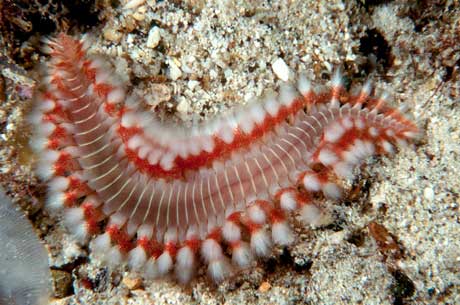
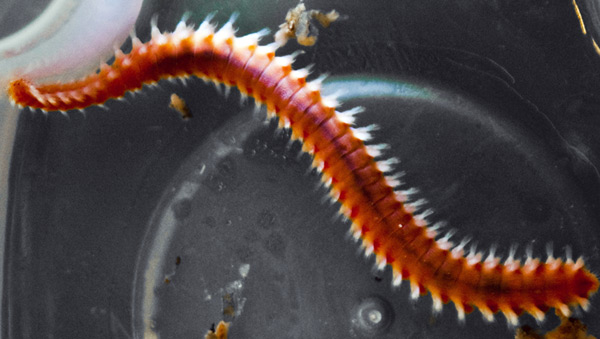
    In the meticulous world of marine reef keeping, few creatures evoke a more visceral reaction than the bristle worm (Polychaeta). Usually discovered during a late-night flashlight raid on the tank, these segmented, subterranean scavengers often look like something out of a low-budget sci-fi horror film.

    However, before you reach for the tweezers in a panic, it is important to understand that the “bristle worm” is not a single entity, but a diverse class of thousands of species. In the home aquarium, they are more often classified unsung heroes than they are villains.

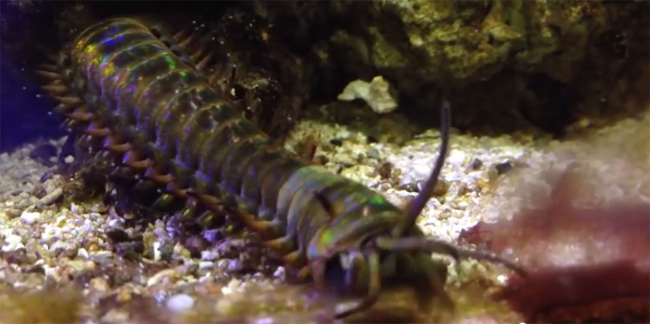
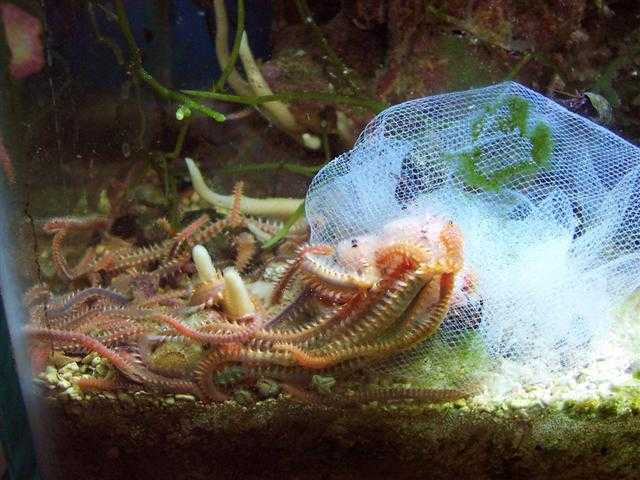
    A recent blog post by Julian Sprung brings that common wisdom into question.  Are these scavengers more predatory than we’ve been led to believe?  His observations of polyp bailout and the resulting loss of Euphyllia and Fimbriaphyllia (Torch, Hammer & Frogspawn) corals may in fact rest at the pharyngeal apparatus of these polychaete invaders.  
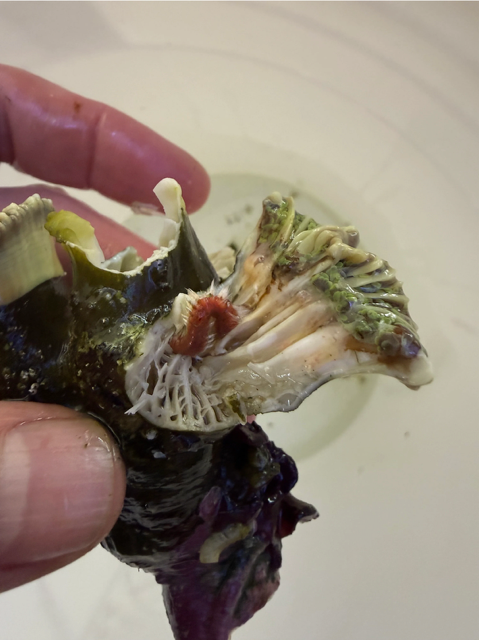
    Image courtesy of Julian Sprung – Two Little Fishies Blog

    The Benefits: Nature’s Cleanup Crew

    For the average hobbyist, the most common bristle worms are likely beneficial detritivores. They are the ultimate “cleaners” of the reef’s cracks and crevices where no snail or crab can reach.

    • Elite Scavenging: Bristle worms have an incredible sense of smell. If a fish dies in a hidden cave or a piece of uneaten food drifts behind the rockwork, these worms are the first on the scene. 
    • Aerating the Substrate: As they burrow through the sand bed, they provide essential “bioturbation.” 
    • The Food Web: Smaller bristle worms serve as a high-protein, natural food source for many types of wrasses and other carnivorous fish.

    The Concerns: When Worms Go Rogue

    If they are such great cleaners, why do they have such a polarizing reputation? The concerns generally fall into two categories: physical injury and mistaken identity.

    1. The “Bristle” Sting

    The most immediate concern is for the hobbyist. These worms are covered in fine, needle-like setae. If you touch one with bare skin, these bristles break off, causing a sharp, burning sensation and localized swelling. While rarely dangerous, it is incredibly irritating—much like a run-in with a cactus or fiberglass insulation.

    2. The Predator Problem (The Fireworm)

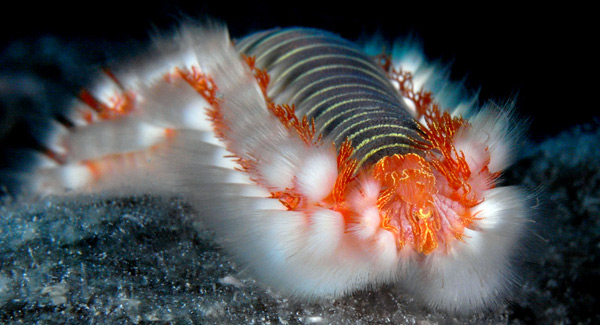
    While most common aquarium worms have historically been perceived as harmless, their cousin, the Hermodice carunculata (Bearded Fireworm), is a genuine threat. Unlike the standard scavengers, these are predatory and will actively consume coral polyps, gorgonians, and even small crustaceans. They are identifiable by their much thicker, more colorful bodies and more “fluffy” appearance.

    3. Overpopulation

    A sudden “explosion” of bristle worms is usually a symptom of a larger problem: overfeeding. If your tank is teeming with hundreds of worms, it means there is an excess of waste. While the worms themselves aren’t harming the fish, their sheer numbers can be unsightly and may lead to them bothering stressed or sedentary inhabitants in their search for food.
    Managing the Population

    If you find your worm population is getting out of hand, or you simply can’t get past the “ick factor,” there are several ways to manage them without resorting to tearing down the tank.

    Method Description
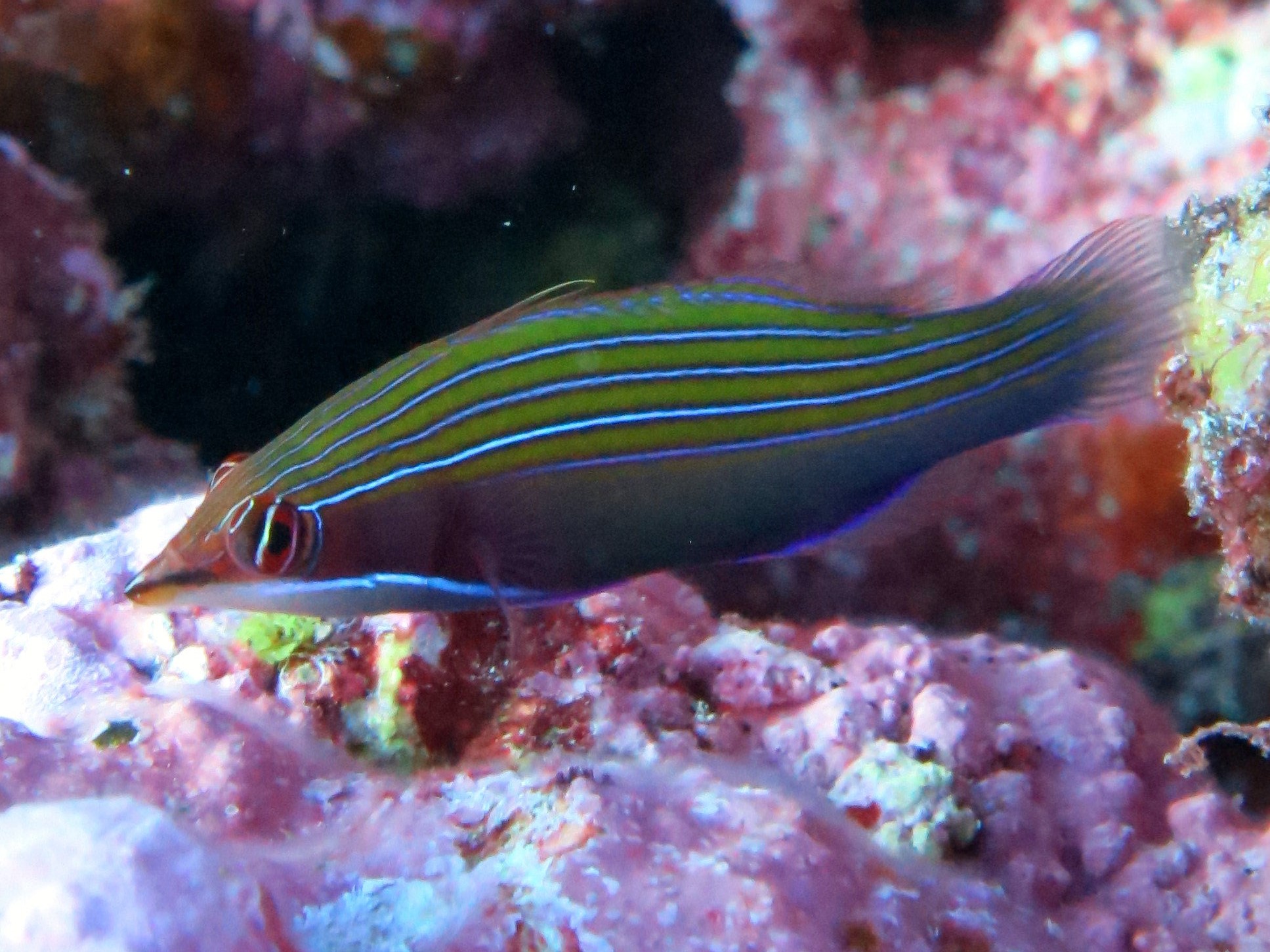
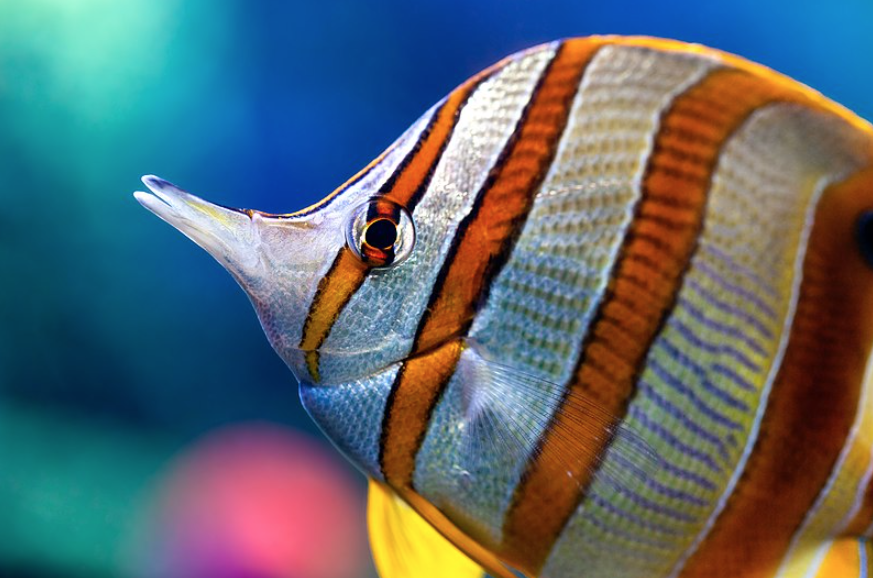
    Natural Predators Certain fish, such as Dottybacks, Six-Line Wrasses, and Copperband Butterflyfish, view bristle worms as a delicacy.
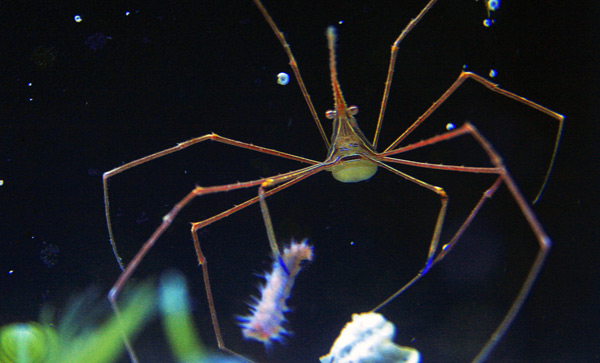
    Arrow Crabs These spindly crustaceans are famous for hunting and eating worms, though they can sometimes be aggressive toward other small tank mates and ornamental tube worms.
    Trapping Commercial or DIY worm traps (using a small tube with bait) can be used to manually remove dozens of worms overnight.
    Nutrient Control Reducing your feeding frequency is the most effective long-term solution. No food, fewer worms.

    The Verdict: Friend or Foe?

    The consensus among modern reef-keepers has shifted significantly over the last decade. In the past, hobbyists would tear down entire tanks to eradicate a single worm. Today, they are largely viewed as an inevitable part of the aquarium ecosystem.

    Eliminating substrate (bare bottom) reduces the hiding places, but doesn’t guarantee a smaller population.  Many of the rocks we place in our tank are porous and often have nooks and crannies where these animals survive and thrive.  

    Pro Tip: Always wear latex or nitrile gloves when moving live rock. It protects you from the stinging bristles and possible transmission of zoonotic disease and/or harmful bacteria.

    Have you observed bristle worms snacking on your favorite corals as Julian has? Pop on over to our Facebook page and share your experience. The debate continues.

    Aquarium Bristle Builders Guardian Nightmare Reef Worm
    Share. Facebook Twitter Pinterest LinkedIn Tumblr Email
    Previous ArticleWhat Do Bearded Dragons Eat? Diet Guide & Safe Food List
    Next Article Black Beard Algae: How to Kill It for Good
    Pawvista
    • Website
    • Facebook
    • X (Twitter)
    • Pinterest
    • Instagram
    • LinkedIn

    Related Posts

    The “Apple Store” of Aquariums: Why the Hype is Real for Lush Corals (Plus Their Reefapalooza Debut!) | Reef Builders

    July 28, 2026

    QM Introduces the World’s First Aquacultured Black Longnose Tang! | Reef Builders

    July 28, 2026

    $2.3M: Dr. Tim Hovanec Sued! | Reef Builders

    July 28, 2026
    Add A Comment
    Leave A Reply Cancel Reply

    Top Posts

    The Pros and Cons to Owning an Alaskan Malamute – Fantastic Furries

    July 27, 20266 Views

    Read This BEFORE You Get a New Ferret – The Modern Ferret

    July 27, 20265 Views

    Rabbit Teeth Grinding: What Is It & Why Do They Do It

    July 27, 20263 Views
    Stay In Touch
    • Facebook
    • YouTube
    • TikTok
    • WhatsApp
    • Twitter
    • Instagram
    Latest Reviews

    Subscribe to Updates

    Get the latest tech news from FooBar about tech, design and biz.

    About us

    Welcome to GenzyPets.com, your trusted source for everything related to micro pets and small companion animals.

    At GenzyPets, we believe that every pet deserves the best care, whether it's a hamster, guinea pig, rabbit, hedgehog, chinchilla, ferret, bird, reptile, fish, or any other small pet. Our mission is to provide pet owners with reliable, easy-to-understand, and practical information to help them give their pets healthy and happy lives.

    Most Popular

    The Pros and Cons to Owning an Alaskan Malamute – Fantastic Furries

    July 27, 20266 Views

    Read This BEFORE You Get a New Ferret – The Modern Ferret

    July 27, 20265 Views

    Rabbit Teeth Grinding: What Is It & Why Do They Do It

    July 27, 20263 Views

    Subscribe to Updates

    Get the latest creative news from FooBar about art, design and business.

    © 2026 GenzyPets.com. All Rights Reserved.
    • Terms & Conditions
    • Privacy Policy
    • Contact Us
    • About Us

    Type above and press Enter to search. Press Esc to cancel.