


Most pet parents still have the old image of the wire-bottom rabbit cages in mind, but they don’t meet modern standards. It’s detrimental to your bunny’s health, as it prevents them from engaging in natural activities like running and jumping.
Your buns need more than just a cage to live a healthier, longer, and happier life. Below, this guide covers minimum space needs, safer wire cage options, and other essentials for a comfortable rabbit home.
Minimum Space Requirements for Bunnies
Bunnies are energetic creatures, and they enjoy being in a free space with ample opportunity to run, stretch, jump, and stand up on their hind legs. Cramped rabbit cages limit their freedom and joy. 10ft x 6ft x 3ft/3m x 2m x 1m is the minimum to house a couple of medium-sized rabbits, but the more space, the merrier.
Besides, rabbits have different sizes and weights. You should choose an enclosure at least three times their body length, and twice their height and width.
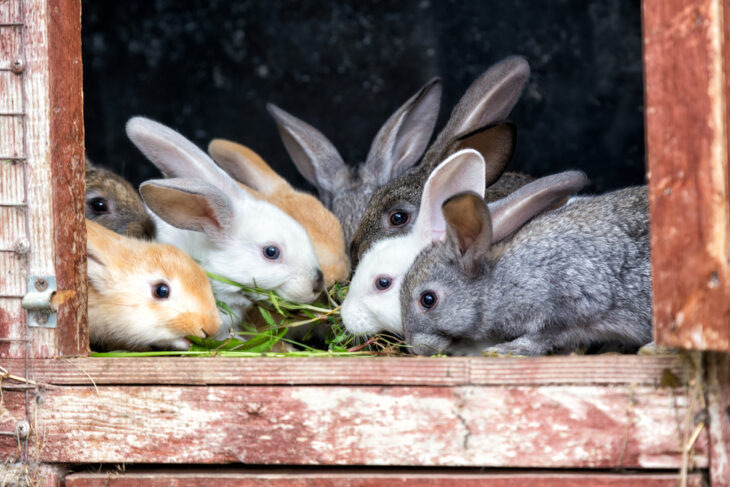
Why Wire-bottom Rabbit Cages Aren’t Good
Wire-bottom cages are very harmful to rabbits’ health:
Injury
Bunnies are used to digging and hopping on soft surfaces. The wire grid prevents them from distributing their weight evenly, forcing them to sit on their heels. This often causes painful sores on their feet, which can also lead to irritability.
A rabbit’s toes or nails can get stuck in the wire openings. This may cause their nails to break, leading to infection.
No solid resting area
Rabbits need a hard surface to relax. Without it, they can’t escape from the harmful effects of the wire cage.
Safe Alternatives to Wire-Bottom Rabbit Cages
If you have wire-bottom rabbit cages, it’s best to provide a solid and comfy alternative for your rabbits to relax. Here are some suggestions:
Cover the wire-floored rabbit cages
You can make a wire cage safer by covering at least half of the floor. Choose a resting mat made of fleece, grass, or a solid piece of untreated wood. It’ll protect the rabbits’ feet from soreness.
Playhouse with attached runs
Convert a child’s playhouse into a rabbit’s enclosure. Make sure to attach a predator-proof run for exercise.
Rabbit exercise pens (x-pens)
Provide an exercise pen that can be customized into various shapes and sizes to give your furry friend some space. For flooring, place it over a mat or rug.
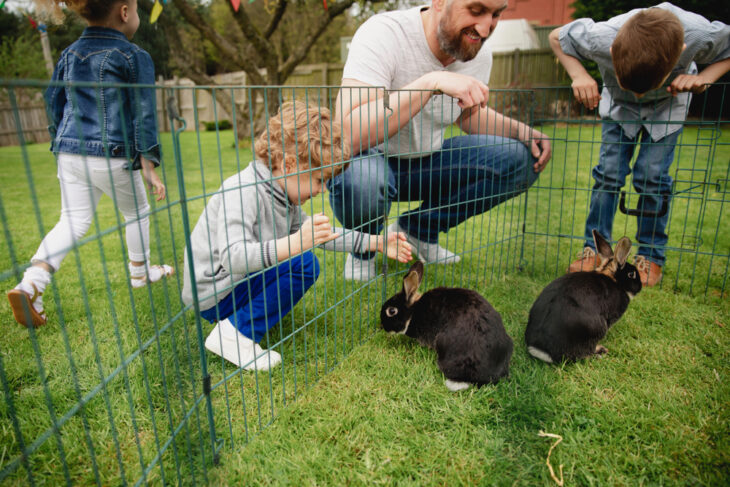
Free-roaming
Many bunnies can be groomed to live freely and safely in a rabbit-proofed house. It’s often the best option for their physical and mental well-being.
How Boredom and Stress Can Occur in Bare Rabbit Cages
Rabbits often spend time chewing, foraging, digging, and even socializing. Empty cages prevent them from exhibiting these instinctual behaviors, taking a toll on their mental and physical health.
Some signs that your bunny is bored and stressed are:
-
- Overeating or undereating
-
- Excessive hiding or freezing
-
- Biting the cage bars repeatedly
-
- Chewing on household items like carpets and furniture
Ways to Enrich Your Rabbit’s Environment
One way to alleviate the boredom and discomfort associated with bare rabbit cages is through environmental enrichment. This means providing resources that help them express their natural behaviors freely. Their enclosure should consist of:
1. A neutered rabbit companion or two
Bunnies are sociable, so they can’t be left alone. It’s recommended to only keep neutered males and females of the same species to prevent unwanted litters.
2. Toys
You also need to give them things or places to dig, hide, and explore. Cardboard boxes, tunnels, and balls can keep them engaged for a while. For extended playtime, the Tiny Paws Wonderland Play Table provides a dual role, allowing them to chew on its birchwood legs and offering ample space to hop.
You can also try the Seagrass Mat: it’s great for digging, nibbling, chewing, scratching and even relaxing.
If you’re still unsure what your rabbits might like, the 8-Toy Sampler could be the best option. They can choose from eight chew toy options, including willow chew rings, seagrass chains, bowls, balls, mats, bundles, twists, and tents. These toys enrich playtime and support dental health.
3. Clean bedding
Your furry friends need dry, clean, and absorbent bedding. Newspaper or soft straw material is recommended.
4. Litter box
Rabbits are clean and thorough, so they’ll learn real quick if you teach them how to use a litter box. Introduce it to their favorite toilet area, and wash it regularly. Finally, ensure the litter is safe for bunnies.
5. Hiding spots
Buns need a place where they can escape to when stressed or startled. Depending on your fur-friend’s size and preference, check out Large Hideaway Habitat Tunnel, Medium Hideaway Tunnel, or Medium Habitat Hideaway Castle.
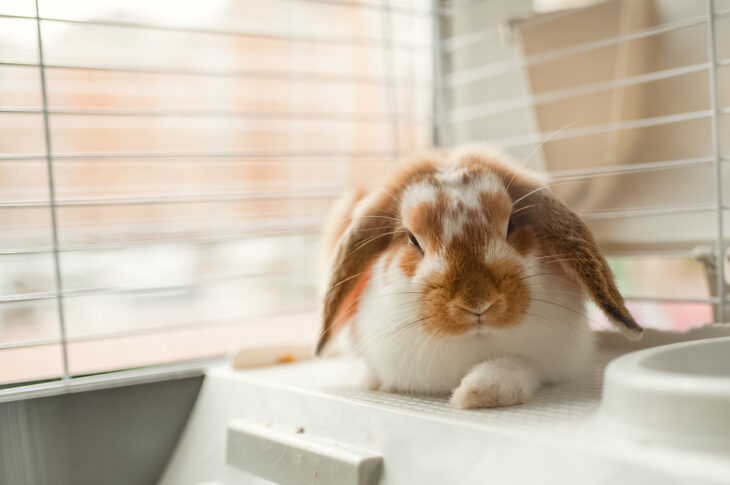
Habitat Placement and Temperature Control
The location of a rabbit’s enclosure and how you regulate their temperature are essential to their health. For one, you need to choose a quiet area that isn’t isolated from family activities. Rabbits thrive when they feel like a part of a home.
Moreover, they’re sensitive to high heat and can suffer from heatstroke if not adequately managed. That’s why the ideal temperature range for them is between 59°F and 68°F (15 – 20°C).
Rabbits can’t sweat, so heat regulation is essential. Here are ways to ensure a rabbit-safe habitat and temperature:
-
- Avoid direct sunlight or places that can easily overheat, such as glass buildings.
-
- Provide a regular supply of water in a water bottle or bowl for hydration during summer.
-
- Add a few ice cubes to the water to keep it cool.
-
- Groom your rabbits regularly so that excess fur doesn’t trap heat. A Hairbuster Comb works fine for buns that shed a lot.
-
- During colder periods, place a rabbit-safe heat pad under their bedding for extra warmth.
-
- Provide extra hay to help keep them warm in winter.
-
- A bonded pair can huddle together for warmth.
Want to Learn More about Rabbit Cages?
If you’d like to hear a laid-back explanation from someone who knows how things really work, watch this short video from Sarah.
She discusses and suggests the most healthy environment for rabbits. Free roaming is a top option because it provides enough space for them to exercise, perform binkies, and stretch their hind legs without feeling constricted.
You’ll also find discussions on indoor Vs outdoor habitats, rabbit cages, and more. The video is a helpful guide for beginners still exploring what makes the ideal home for their buns.
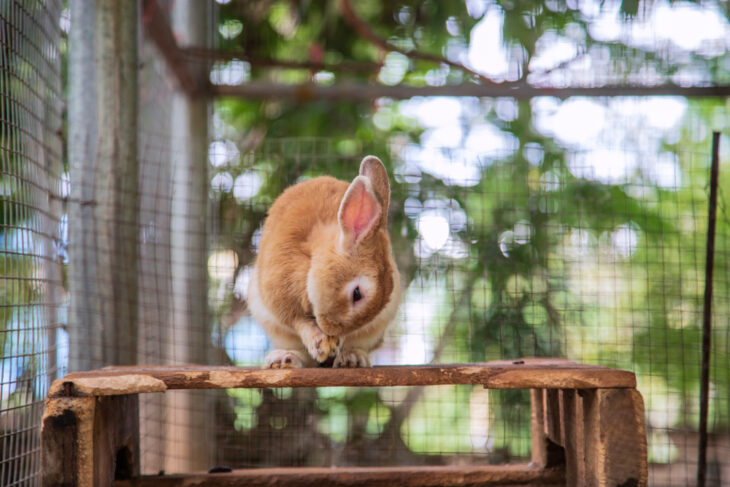
Build Enriching Enclosures with Proper Care
Just like humans, the kind of habitat you provide for your buns will improve or ruin their health. Wire-bottom rabbit cages are never a sustainable option because they cause severe discomfort and restrict movement.
If you don’t want your furry companions stuck in these conditions, the best step is to provide enough space for them to run, hop, jump, and stretch.
Therefore, large rabbit enclosures with enrichment features, such as mat or rug flooring, toys, bonded pairs, and hiding spots, promote healthier behaviors and reduce stress.
