

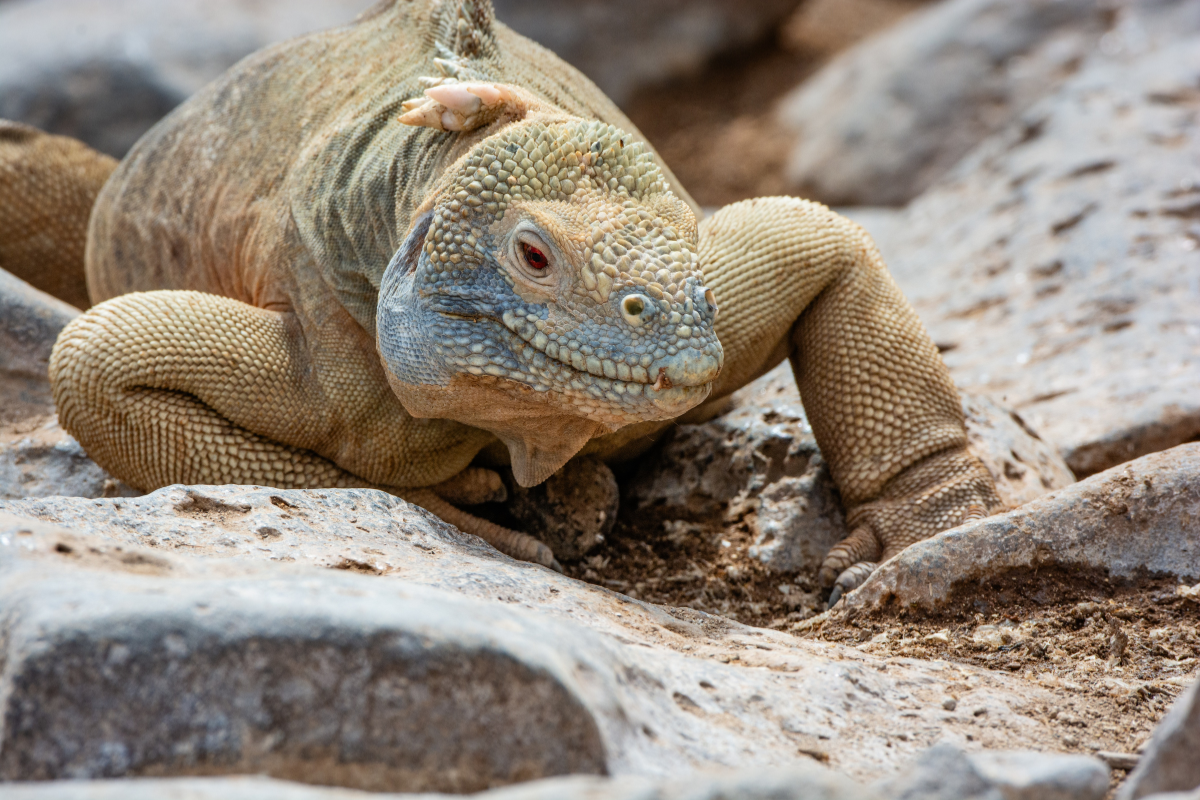
There are many types of lizards and they cover an enormous range, from desert specialists to backyard regulars. Once you know what to look for they’re surprisingly easy to group. Lizards sit within the order Squamata, and they’ve evolved into thousands of species with different body shapes, hunting styles, and habitats. That means the term “lizard” can describe everything from tiny, nocturnal geckos to heavyweight monitors.
Most popular groups include bearded dragons, geckos, iguanas, chameleons, skinks, and monitor lizards, each with clear traits that help you identify them at a glance. In the UK, our native lizard species include the common lizard (Zootoca vivipara), sand lizard, and the slow worm. This guide breaks down the main types so you can recognise them with confidence.
Classification of Lizards
Scientists place lizards within a clear scientific system based on shared body features, genetics, and evolutionary history. You can group lizard species by their infraorders, families, and major lineages.
Infraorders and Families
Lizards sit within the order Squamata (the same order as snakes), and although “Lacertilia” is still used as a traditional label, it isn’t a formal rank in modern taxonomy. To make sense of this diverse group of numerous species, scientists split lizards into infraorders, i.e., big groupings that bundle families with shared traits.
Key infraorders include:
-
Iguania: iguanas, agamids (dragon lizards like bearded dragons), and chameleons
-
Gekkota: geckos and pygopods
-
Scincomorpha: skinks and wall lizards
-
Anguimorpha: monitor lizards (Varanus), Gila monsters, and alligator lizards
These families share useful ID clues: agamids and chameleons lean heavily on vision and display behaviour, skinks tend to have smooth scales and reduced limbs, and monitors are built for size and power. The genus Varanus includes the Komodo dragon – the largest living lizard – showing just how wide the “types of lizards” umbrella really is.
Taxonomy and Evolution
Lizard classification has shifted as DNA research has improved. Historically, “lizards” were treated as a neat group separate from snakes, but modern work shows some lizards are more closely related to snakes than to other lizards. Fossils also highlight how long this lineage has been evolving, and ongoing research keeps refining how species are grouped today.
Geckos: Characteristics and Popular Species

Geckos are one of the biggest and most recognisable lizard groups, with over 1,000 species across the world. Most are easy to spot thanks to their big eyes and soft, flexible skin, and many species have specialised toe pads that let them climb smooth surfaces with ease.
Overview of Geckos
-
Classification: Geckos sit within the infraorder Gekkota, with most species living in tropical climates and other warm regions.
-
Body plan: Typically small to medium-sized, with wide heads, compact bodies, and strong limbs.
-
Climbing adaptations: Many geckos have adhesive toe pads made up of tiny hair-like structures for gripping glass, walls, and tree trunks. Ground-dwellers (like leopard geckos) lack these pads.
-
Activity pattern: Most geckos are nocturnal, using large eyes for night vision. Many lack movable eyelids and instead lick their eyes clean.
-
Sounds: Unlike many lizards, geckos often vocalise. Chirps, clicks, and barks are common, especially in territorial males.
-
Common mix-up: People sometimes confuse geckos with night lizards, but night lizards are a separate family with different structure and behaviour.
-
Reproduction: Like most lizards, many gecko species lay eggs, though clutch size and frequency vary widely between species.
Leopard Gecko
The leopard gecko (Eublepharis macularius) is one of the most common pet lizards in the UK and a classic “starter” species because it’s generally calm and straightforward to care for. Native to dry regions of Pakistan, India, and Afghanistan, it’s a ground-dweller with movable eyelids and no adhesive toe pads.
Its yellow body and dark markings give it the “leopard” look, and its diet is an insect diet. Typically live insects such as crickets and mealworms. With proper care, leopard geckos can live 10-20 years, which makes them a long-term commitment, but also one of the great pets for keepers who want a manageable, hardy lizard.
Tokay Gecko
 Image Credit: The Spruce Pets
The tokay gecko (Gekko gecko) is famous for its size, attitude, and volume. It can reach around 30-40 cm, with a blue-grey body covered in bright orange or red spots, and it’s found across South and Southeast Asia. Tokays have powerful toe pads for climbing and are well-known for their loud “toh-kay” call at night.
They can be defensive and may bite if handled, so they’re better suited to experienced keepers. A tall enclosure with climbing branches and higher humidity suits them best, and their diet is mainly insects, with some individuals taking small vertebrate prey.
Other Notable Geckos
-
Crested gecko (New Caledonia): Soft skin, “eyelash” crests, and a prehensile tail; commonly fed a commercial fruit-based diet plus insects.
-
House geckos (e.g., Hemidactylus frenatus): Often live around human buildings in warm countries and hunt insects drawn to lights.
-
Day geckos (e.g., gold dust day gecko): Active in daylight with bright green colouration; most need strong lighting and higher humidity than desert species.
Every gecko has its own preferences, so match enclosure height, temperature, and humidity to the natural habitat of the species you choose.
Iguanas, Agamids and Anoles

Iguanas, anoles, and agamids sit within the suborder Iguania. You’ll find them across the Americas, Africa, Asia, and Australia, with species adapted to everything from deserts to rainforests and coastal environments.
Iguanas and Their Diversity
Iguanas are easy to recognise by their sturdy build, long tail, and the row of spines running down the back. The best-known example is the green iguana (Iguana iguana) from Central America, South America and the Caribbean, which spends much of its time in trees near water and feeds mainly on leaves, flowers, and fruit.
The marine iguana is unique to the Galápagos, where it dives in cold water to graze sea algae. At the other end of the spectrum, the desert iguana thrives in hot, dry regions of the south-western United States and Mexico, using burrows to avoid extreme conditions.
Related iguanian lizards like the green basilisk share the broader group and are known for their ability to sprint across water for short distances using long toes and powerful legs.
Dragon and Agamid Lizards

Agamids, often called dragon lizards, fill a similar ecological niche to iguanas, but they’re primarily found in Africa, Asia, and Australia. The bearded dragon is the standout agamid for many UK keepers, famous for its dark, spiny throat “beard” display when threatened and its flexible, omnivorous food choices.
Other agamids include forest and water dragons in Australia, and gliding lizards in Asia. Some Draco species can glide between trees using wing-like skin flaps.
In North America, you might spot western fence lizards basking on rocks and fences; they aren’t agamids, but they’re often mistaken for small spiny iguanas at first glance.
Anoles and Colour-Changing Abilities
Anoles are small to medium-sized lizards found mainly in the Americas, with many species in the genus Anolis. The green anole is common in the south-eastern United States and is known for its bright red dewlap, which male lizards extend for displays when defending territory or attracting mates.
They can shift colour (often green to brown), but not with the same range as chameleons; the change is influenced by temperature, stress, and social cues. Many live in trees and shrubs and use toe pads for gripping smooth leaves and surfaces.
Popular Pet Lizards
You’ll most often see these iguanians in the pet trade, just remember their adult size and setup needs vary massively:
-
Green iguana: large-bodied herbivore that quickly outgrows “starter” enclosures; needs significant space and strong UVB.
-
Bearded dragon: popular omnivore with straightforward routines when set up properly (heat, UVB, varied diet).
-
Green anole: smaller insect-eater that still needs humidity, cover, and climbing space to thrive.
Green iguanas in particular can reach a substantial adult size, so many new owners underestimate the space and long-term commitment. Bearded dragons are generally a better fit for beginners, while anoles stay compact but still require correct humidity and vertical structure.
Monitor Lizards and Anguimorphs

Monitor lizards are some of the largest and most capable lizards alive today. They sit within a broader group called Anguimorpha, which also includes beaded lizards and several limb-reduced or legless lizard lineages that can look a bit like snakes at first glance.
Overview of Monitor Lizards
-
ID basics: Long necks, strong tails, alert posture, and an upright, purposeful stance.
-
Genus: All living species are in the genus Varanus (over 80 species across Africa, Asia, and Oceania).
-
Diet: Mostly carnivorous; many hunt insects, fish, birds, and small mammals, with some species also taking fruit.
-
Habitats: Species like the Nile monitor and savannah monitor originate from Africa, but they occupy very different habitats. Nile monitors are closely associated with water, while savannah monitors favour open, arid grasslands.
-
Tools for the job: Strong limbs, sharp claws, speed, and a powerful bite.
-
Not legless: Unlike glass lizards and other limb-reduced anguimorphs, monitors always have visible limbs and don’t move like a snake.
Komodo Dragon and Other Large Monitors

The Komodo dragon (Varanus komodoensis) is the largest living lizard, found on a handful of Indonesian islands where it takes both large prey and smaller mammals such as goats and pigs, as well as carrion. Adults can exceed 3 metres, using sharp, backward-curved teeth and a strong tail for balance and defence, and research suggests it has venom glands that help weaken animals after a bite.
Other large monitors include the Nile monitor and the Asian water monitor, while smaller species like the savannah monitor are still substantial animals that need serious space and careful husbandry in captivity. These giants are a world away from heavily armoured or squat species like horned lizards, which rely more on camouflage and defence than size.
Venomous and Unique Species
Venom isn’t exclusive to snakes. There are some venomous lizards that sit within Anguimorpha. The family Helodermatidae includes the Gila monster and the Mexican beaded lizard (Heloderma horridum), heavy-bodied reptiles with bead-like scales and strong jaws that deliver venom via grooved teeth while chewing. They tend to be slower-moving than monitors and often feed on eggs and small animals, storing fat in the tail and laying eggs.
Anguimorpha also includes unusual species like the earless monitor lizard (Lanthanotus borneensis), and at the other end of the body plan, glass lizards can resemble snakes but still have eyelids and external ear openings, which is one of the easiest ways to tell them apart from true snakes.
Skinks, Plated Lizards and Related Types

Image Credit: Honolulu Zoo
Skinks are one of the biggest lizard groups, with 1,500+ species worldwide. Plated and girdled lizards sit within the same broader branch of Squamata and share a tougher, more armoured look: think sturdy builds, strong scales, and a “built for defence” body plan compared to many sleeker lizards.
Skink Species and Traits
-
Typical look: smooth, shiny scales, long bodies, and often short necks with relatively small legs.
-
Where they live: skinks occur on every continent except Antarctica and aren’t found in Arctic regions.
-
Habitats: deserts, forests, grasslands, and even urban gardens; they’re quite adaptable.
-
Activity: many are daytime-active.
-
Reproduction: some lizards lay eggs, while others give birth to live young (it varies by species).
-
Body variety: some are burrowers with reduced limbs; others climb, but most keep the same core “skink” blueprint: smooth scales, solid bodies, and short limbs.
Blue-Tongued Skink

The blue-tongued skink (Tiliqua scincoides) is one of the largest and most recognisable skinks, growing up to about 60 cm with a heavy body and short legs. It’s famous for its broad head and bright blue tongue, which it flashes as a warning display when threatened.
Native to Australia and parts of New Guinea, it uses strong jaws to crush snails, insects, and plant matter. Unlike many reptiles, it gives birth to live young, and the babies are relatively well developed at birth. Its calm nature and hardy build make it popular in captivity, and in the wild it helps control insect and snail numbers.
Chameleons: Masters of Camouflage

Chameleons stand out among lizards for their colour change, tree-dwelling lifestyle, and unusual body shape. You can recognise them by their grasping feet, long tongues, and eyes that move independently.
Overview of Chameleons
-
Family: Chamaeleonidae, with 200+ species.
-
Range: most are found in Africa and Madagascar, with some in southern Europe, the Middle East and parts of Asia.
-
Lifestyle: typically arboreal; built for life in trees and shrubs.
-
Colour change: used for camouflage, communication, and temperature control.
-
Body plan: narrow body, curled prehensile tail, and fused toes arranged into opposing “grips” for branch control.
-
Display features: many species use posture and a throat flap (dewlap) in social signalling.
Panther and Veiled Chameleons
Two of the most recognised species are the panther chameleon (Furcifer pardalis) and the veiled chameleon or Yemen chameleon (Chamaeleo calyptratus), both commonly seen in the pet trade thanks to their size and bold colouring.
Panther chameleons come from Madagascar, with males showing strong reds, blues, or greens depending on locale, often used in territorial and courtship displays. Veiled chameleons are native to Yemen and Saudi Arabia and are easy to pick out by their tall casque (helmet-like crest), as well as their tolerance for drier conditions than many tropical species.
Unique Adaptations
-
Independent eyes: scan in different directions to spot prey and threats with minimal movement.
-
Projectile tongue: fires out to catch insects in a fraction of a second, with a sticky tip for grip.
-
Prehensile tail: acts like a fifth limb, coiling around branches for stability.
-
Colour mechanics: specialised skin layers shift between lighter/darker shades for signalling and camouflage, often paired with posture and dewlap displays.
Top 5 Popular Pet Lizards in the UK

Now that you know a little more about them, have a look at the most commonly kept pet lizards in the UK:
-
Bearded Dragon (Pogona vitticeps): hardy, personable, and one of the easiest “starter” lizards with the right heat/UVB.
-
Leopard Gecko (Eublepharis macularius): calm, ground-dwelling insectivore with eyelids; simple, low-humidity setups.
-
Crested Gecko (Correlophus ciliatus): arboreal, great for planted enclosures; often thrives on a quality fruit-based diet plus insects.
-
Yemen/Veiled Chameleon (Chamaeleo calyptratus): popular but best for committed keepers; needs strong ventilation and dialled-in hydration.
-
Blue-Tongued Skink (Tiliqua spp.): chunky, hardy, and display-friendly; a solid choice for keepers wanting something larger than a gecko.
Wrapping Up

Image Credit: Exotics Keeper
Types of lizards are easier to understand once you know the major players: geckos, iguanians (including bearded dragons), skinks, chameleons, and the larger anguimorphs like monitors. From UK natives like the common lizard and sand lizard, to tropical climbers and heavyweight predators, the same rule applies: body shape, habitat, and behaviour usually tell you what you’re looking at. If you enjoyed this blog, check out our blog on Types of Snakes.
If you’re choosing a pet lizard, focus on adult size and the correct heat/UVB requirements from day one. And if you want help matching a species to the right setup, the team at Reptile Centre is always happy to advise.
Frequently Asked Questions
What are the most popular lizard species kept as pets?
In the UK, the big three are bearded dragons, leopard geckos, and blue-tongued skinks for their hardy, display-friendly nature.
Could you list some large lizard species?
The headline names are the Komodo dragon, big monitors like the water monitor, and large tegus such as the Argentine black and white tegu.
Which lizards are commonly found around homes or UK gardens?
In the UK you’re most likely to spot native reptiles like the slow worm (a lizard, often mistaken as a snake) or, in some areas, established wall lizards on warm stonework. Always observe and avoid disturbing them.
