
Close Menu
GenzyPets

    Subscribe to Updates

    Get the latest creative news from FooBar about art, design and business.

    What's Hot

    Western Diamondback Rattlesnake Venom May Lead to Universal Antivenins

    October 18th, 2025: Top Cuties of the Week

    It’s time to show off your fun Halloween decorations or costumes.

    Facebook X (Twitter) Instagram
    Trending
    • Western Diamondback Rattlesnake Venom May Lead to Universal Antivenins
    • October 18th, 2025: Top Cuties of the Week
    • It’s time to show off your fun Halloween decorations or costumes.
    • Setting Up the Perfect Chinchilla Habitat: What Every Owner Needs to Know
    • Safe Fruits & Veggies for Reptiles (and Which to Avoid)
    • Abigail’s House Of Buns – Chapter 88 – Speaking Rabbit
    • Spooky Maze Nights with Gizmo | Small Pet Select Blogs
    • October 25th, 2025: Top Cuties of the Week
    Facebook X (Twitter) Instagram
    GenzyPets
    Friday, July 31
    • Home
    • Birds
      • Budgies
      • Canary Care
      • Cockatiels
      • Lovebirds
    • Chinchillas
      • Chinchilla Care
      • Chinchilla Food
      • Chinchilla Health
      • Chinchilla Cages
    • Ferrets
      • Ferret Behavior
      • Ferret Care
      • Ferret Food
      • Ferret Health
    • Fish & Aquatic Pets
      • Aquarium Care
      • Betta Fish
      • Goldfish
      • Shrimp Tanks
    • Guinea Pigs
      • Guinea Pig Breeds
      • Guinea Pig Care
      • Guinea Pig Diet
      • Guinea Pig Health
    • Hamsters
      • Dwarf Hamsters
      • Hamster Care
      • Hamster Food
      • Syrian Hamsters
    • Hedgehogs
      • Hedgehog Care
      • Hedgehog Diet
      • Hedgehog Habitat
      • Hedgehog Health
    • Mice & Rats
      • Mouse Care
      • Pet Mice
      • Pet Rats
      • Rat Care
    • Rabbits
      • Rabbit Breeds
      • Rabbit Care
      • Rabbit Nutrition
      • Rabbit Training
    • Reptiles
      • Bearded Dragons
      • Leopard Geckos
      • Small Snakes
      • Turtles
    GenzyPets
    You are at:Home»Guinea Pigs»Guinea Pig Care»How To Introduce New Chickens To Your Flock
    Guinea Pig Care

    How To Introduce New Chickens To Your Flock

    PawvistaBy PawvistaJuly 28, 2026004 Mins Read
    Share Facebook Twitter Pinterest LinkedIn Tumblr Email
    How To Introduce New Chickens To Your Flock
    Share
    Facebook Twitter LinkedIn Pinterest Email

    New birds need some time to get used to the old chicken flock. The existing flock has a pecking order, so forcing introductions can stress them and lead to chasing or small squabbles.

    There’s also the risk of diseases. Bringing in random birds and hoping for the best doesn’t work. It helps to quarantine the new birds first before they meet the rest.

    Quarantining a New Chicken Flock Member: How It Works 

    Most pet vendors don’t provide all the necessary details, especially regarding the health of newly adopted chickens. Some may have been infested with worms or mites, or developed respiratory tract infections.

    That’s why you have to isolate them first before allowing them to interact with your old chicken flock or even share a feeder.
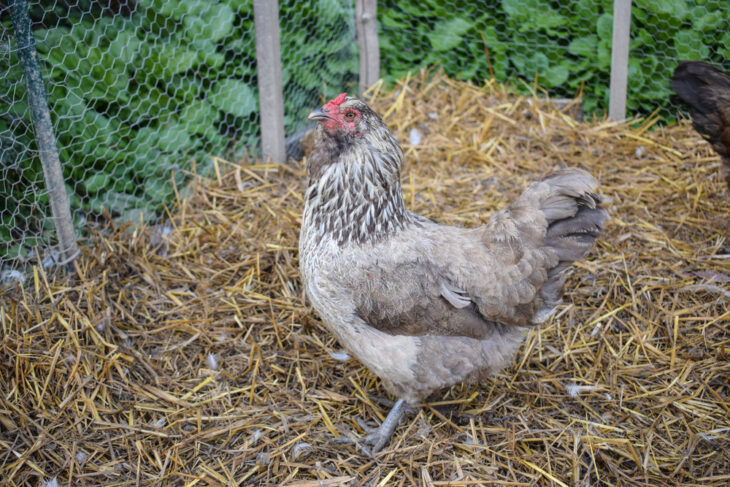
    Light brown hen standing on straw inside a fenced chicken coop, with greenery in the background.

    Create a temporary isolation area 

    It doesn’t have to be a spacious room. A dog kennel or part of a garage can work.

    Maintain a good distance 

    Those recently added foragers should stay as far away from others as possible, ideally at least 30 feet. Otherwise, they might transfer airborne infections to existing residents.

    Consider the isolation for 30 days

    Most people observe their newest additions for 30 days before fully introducing them. During this time, check for runny eyes, lethargy, or other warning signs. The physical condition of the droppings also matters.

    Keep the old birds in mind 

    In this case, it’s important to serve your old backyard friends their meals (Starter, Layer, or Grower) first. This ensures you don’t accidentally pass on any bugs.

    Post Quarantine: Getting To Know Each Other Without Physical Touch

    The quarantine period is now over. If you’re sure that your youngest companions are healthy and behave well, they can slowly meet the rest of the chicken flock. 

    Have a divider ready 

    Using a fence as an artificial divider can provide ample time to meet the older group. That way, chickens that just arrived become accustomed to their presence, and, in most cases, soften the instincts to establish or stake territories.
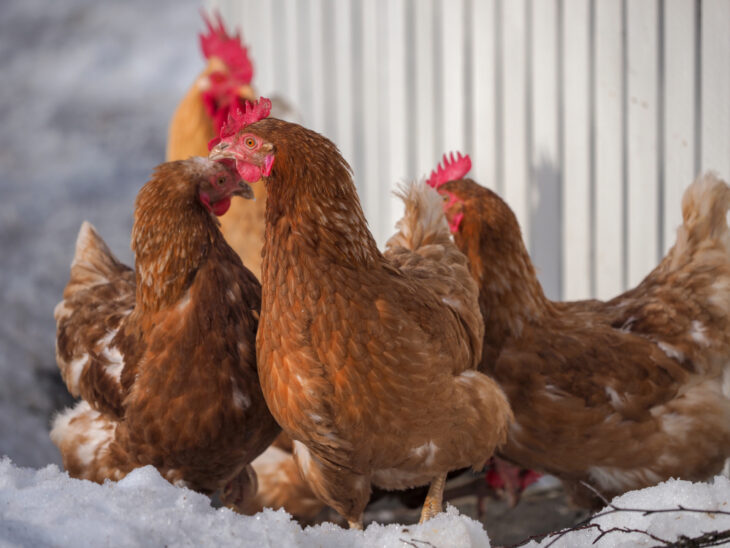
    Brown hens gathered outdoors in the snow near a coop, interacting closely as part of a healthy chicken flock.

    Physical contact can wait until the right time 

    Rushing contact can cause conflict. Usually, the best time to remove the barrier is when they are no longer fixated on the assumption that the newcomers might be intruding. This often happens when they start foraging or free-ranging on their own.

    Normal Vs Problematic Behaviors Within a Chicken Flock

    There’s usually a social ranking within a chicken flock. Even when they seem to have accepted new members, you’ll still see them displaying territorial behaviors, such as posturing, occasional pecking, and chasing during the visual phase. This is okay.

    What’s normal and what’s not 

    Occasionally, you’ll see your companions bumping chests with each other or making sounds. A bossy one may even peck at a newcomer to show its ranking. There’s nothing to worry about if the newbie doesn’t retaliate.

    Here are situations that require your assistance:

    • Multiple chickens are pinning one backyard neighbor down 
    • Physical fighting to the extent of seeing blood on the ground 

    Post-Introduction Care For Your Chickens 

    The first few days after putting your babies in the same place are usually when the post-introduction phase peaks. This is the time to check how they’re getting along with one another.

    You also check if there’s tension within the chicken flock. This may involve a feathered friend spending most of the day in the Nesting Box, or seniors blocking it from eating.

    Brown hens feeding from a tray in a grassy backyard, with a wooden fence in the background.

    What to do if the group feels tense 

    Here’s what to do to restore peace:

    • Create multiple feeding spots: Get more feeders and waterers and put them in different corners. This can reduce constant fights over feeding areas and food.
    • Entertain them with treats: You can keep them busy with snacks such as Pea Flakes, Fruit & Berry Blend, or Coop Cookies. When they have many things to eat, they will have less time to bother others.
    • Provide hiding spots: Another way to relieve stress is to provide chickens, especially the helpless ones, with extra shelter aside from the usual enclosure. A good example is a Habitat Tunnel.

    Conclusion – Put Yourself In The Shoes Of Your New Chickens

    Helping new chickens bond with the old chicken flock takes time. You should start playing together in the coop right away, but they may not be ready yet. Usually, moving at their pace works.

    It helps to let them build that visual connection before attempting to break the physical barrier, but remove those boundaries with caution. Giving them treats and separating food trays can help reduce fights over space and pecking order.

    Chickens Flock Introduce
    Share. Facebook Twitter Pinterest LinkedIn Tumblr Email
    Previous ArticleYour Guide To A Rabbit’s Digestive Tract – Mazuri
    Next Article Can Guinea Pigs Eat Halloween Candy? – GuineaDad
    Pawvista
    • Website
    • Facebook
    • X (Twitter)
    • Pinterest
    • Instagram
    • LinkedIn

    Related Posts

    October 18th, 2025: Top Cuties of the Week

    July 31, 2026

    Setting Up the Perfect Chinchilla Habitat: What Every Owner Needs to Know

    July 31, 2026

    Abigail’s House Of Buns – Chapter 88 – Speaking Rabbit

    July 31, 2026
    Add A Comment
    Leave A Reply Cancel Reply

    Top Posts

    The Pros and Cons to Owning an Alaskan Malamute – Fantastic Furries

    July 27, 20266 Views

    Read This BEFORE You Get a New Ferret – The Modern Ferret

    July 27, 20265 Views

    Rabbit Teeth Grinding: What Is It & Why Do They Do It

    July 27, 20263 Views
    Stay In Touch
    • Facebook
    • YouTube
    • TikTok
    • WhatsApp
    • Twitter
    • Instagram
    Latest Reviews

    Subscribe to Updates

    Get the latest tech news from FooBar about tech, design and biz.

    About us

    Welcome to GenzyPets.com, your trusted source for everything related to micro pets and small companion animals.

    At GenzyPets, we believe that every pet deserves the best care, whether it's a hamster, guinea pig, rabbit, hedgehog, chinchilla, ferret, bird, reptile, fish, or any other small pet. Our mission is to provide pet owners with reliable, easy-to-understand, and practical information to help them give their pets healthy and happy lives.

    Most Popular

    The Pros and Cons to Owning an Alaskan Malamute – Fantastic Furries

    July 27, 20266 Views

    Read This BEFORE You Get a New Ferret – The Modern Ferret

    July 27, 20265 Views

    Rabbit Teeth Grinding: What Is It & Why Do They Do It

    July 27, 20263 Views

    Subscribe to Updates

    Get the latest creative news from FooBar about art, design and business.

    © 2026 GenzyPets.com. All Rights Reserved.
    • Terms & Conditions
    • Privacy Policy
    • Contact Us
    • About Us

    Type above and press Enter to search. Press Esc to cancel.