
Close Menu
GenzyPets

    Subscribe to Updates

    Get the latest creative news from FooBar about art, design and business.

    What's Hot

    Abigail’s House Of Buns – Chapter 102 – You Never Know

    Gizmo’s Guide to Winter Enrichment | Small Pet Select Blogs

    January 31st 2026: Top Cuties of the Week

    Facebook X (Twitter) Instagram
    Trending
    • Abigail’s House Of Buns – Chapter 102 – You Never Know
    • Gizmo’s Guide to Winter Enrichment | Small Pet Select Blogs
    • January 31st 2026: Top Cuties of the Week
    • Enzo is very sick. So today Belinda fills her blog with nice photos of him.
    • Why Your Rabbit Might Eat Less in Winter
    • Abigail’s House Of Buns – Chapter 103 – Goodbye to Love
    • Misting vs Fogging for Reptiles: Which Is Best?
    • Good Food For A Hamster Diet — Animal Hearted Apparel
    Facebook X (Twitter) Instagram
    GenzyPets
    Thursday, July 30
    • Home
    • Birds
      • Budgies
      • Canary Care
      • Cockatiels
      • Lovebirds
    • Chinchillas
      • Chinchilla Care
      • Chinchilla Food
      • Chinchilla Health
      • Chinchilla Cages
    • Ferrets
      • Ferret Behavior
      • Ferret Care
      • Ferret Food
      • Ferret Health
    • Fish & Aquatic Pets
      • Aquarium Care
      • Betta Fish
      • Goldfish
      • Shrimp Tanks
    • Guinea Pigs
      • Guinea Pig Breeds
      • Guinea Pig Care
      • Guinea Pig Diet
      • Guinea Pig Health
    • Hamsters
      • Dwarf Hamsters
      • Hamster Care
      • Hamster Food
      • Syrian Hamsters
    • Hedgehogs
      • Hedgehog Care
      • Hedgehog Diet
      • Hedgehog Habitat
      • Hedgehog Health
    • Mice & Rats
      • Mouse Care
      • Pet Mice
      • Pet Rats
      • Rat Care
    • Rabbits
      • Rabbit Breeds
      • Rabbit Care
      • Rabbit Nutrition
      • Rabbit Training
    • Reptiles
      • Bearded Dragons
      • Leopard Geckos
      • Small Snakes
      • Turtles
    GenzyPets
    You are at:Home»Fish & Aquatic Pets»Shrimp Tanks»How to Get Rid of Aiptasia in a Reef Tank
    Shrimp Tanks

    How to Get Rid of Aiptasia in a Reef Tank

    PawvistaBy PawvistaJuly 27, 2026005 Mins Read
    Share Facebook Twitter Pinterest LinkedIn Tumblr Email
    How to Get Rid of Aiptasia in a Reef Tank
    Share
    Facebook Twitter LinkedIn Pinterest Email
    How to Get Rid of Aiptasia in a Reef Tank

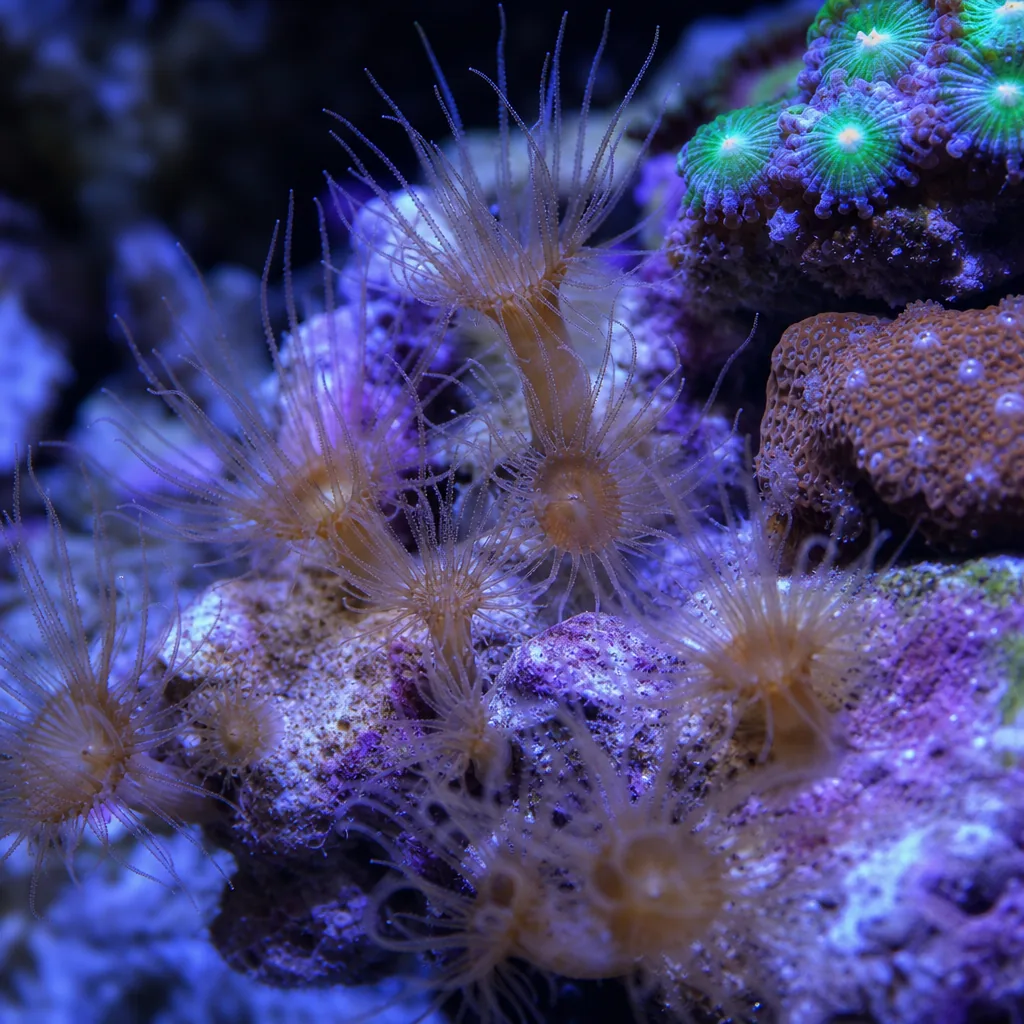
    Aiptasia are the reef pest that turns one small brown anemone into a plague. They arrive as hitchhikers on live rock or coral frags, reproduce explosively, and sting nearby corals with potent stinging cells. The single biggest mistake keepers make is trying to tear or scrape them off, because a damaged aiptasia releases fragments that each grow into a brand-new pest. Removing them the right way is what separates a quick fix from a months-long infestation.

    Shop our recommended saltwater gear on Amazon.Shop on AmazonAs an Amazon Associate we earn from qualifying purchases.

    Why Aiptasia Are So Hard to Kill

    Aiptasia are survivors. Cut one in half and you often get two. Squish one on the rock and the scattered tissue can seed dozens more across the tank. They also retract instantly into rock crevices at the first disturbance, making them hard to reach. Understanding this changes your approach: the goal is to kill the whole animal in place without triggering it to release fragments or retract.
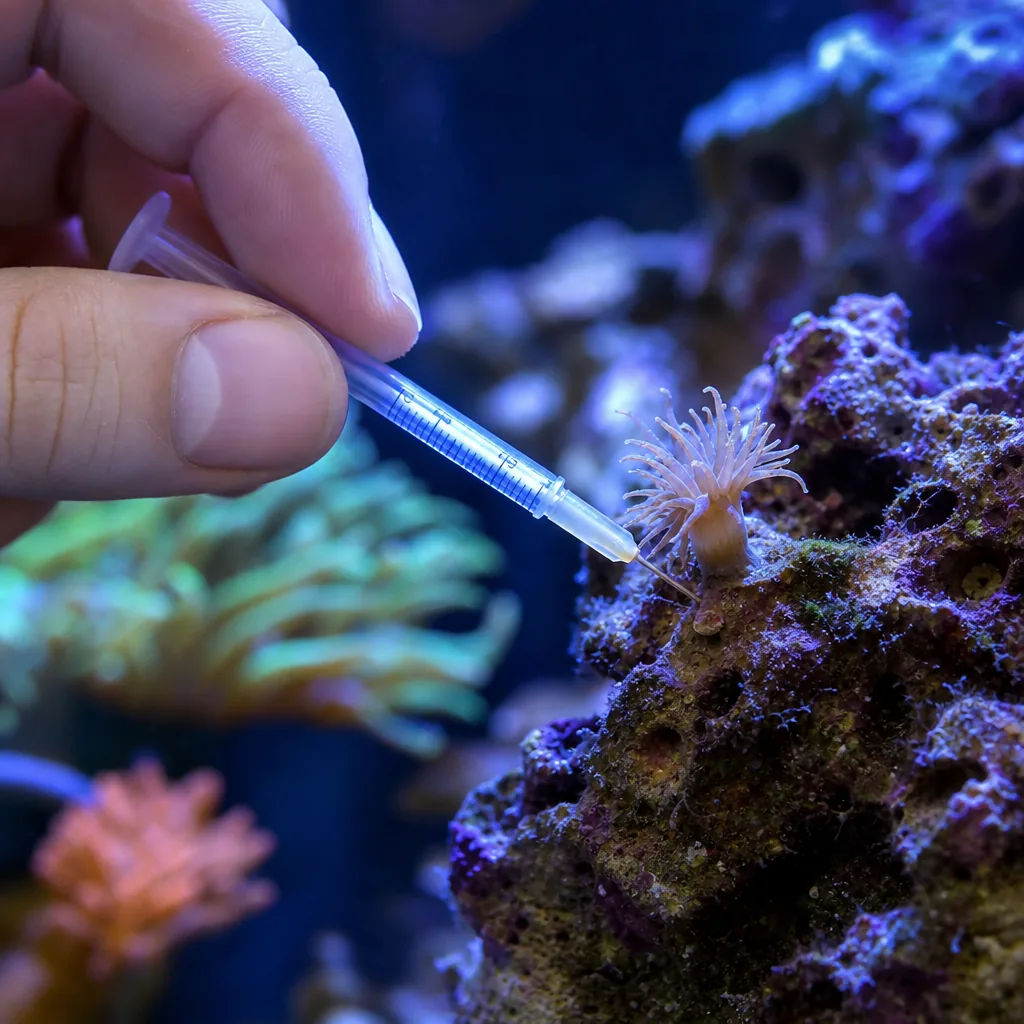
    Syringe injecting treatment into aiptasia anemone

    Method 1: Injection Treatments

    The most reliable manual method is injecting the aiptasia with a product designed to kill them, or with a homemade solution such as a thick kalkwasser (calcium hydroxide) paste. The idea is that the anemone mistakes the injection for food, ingests it, and dies from the inside.

    • Use a syringe to deliver the solution directly into the mouth of the anemone when it is open and extended.
    • Turn off pumps first so the solution stays put and does not disperse before it works.
    • Be patient and precise; a partial hit lets the aiptasia survive and often makes it retract for days.

    Commercial aiptasia-killing products and dosing syringes are available in the shop, and our saltwater guides cover safe handling of kalkwasser.
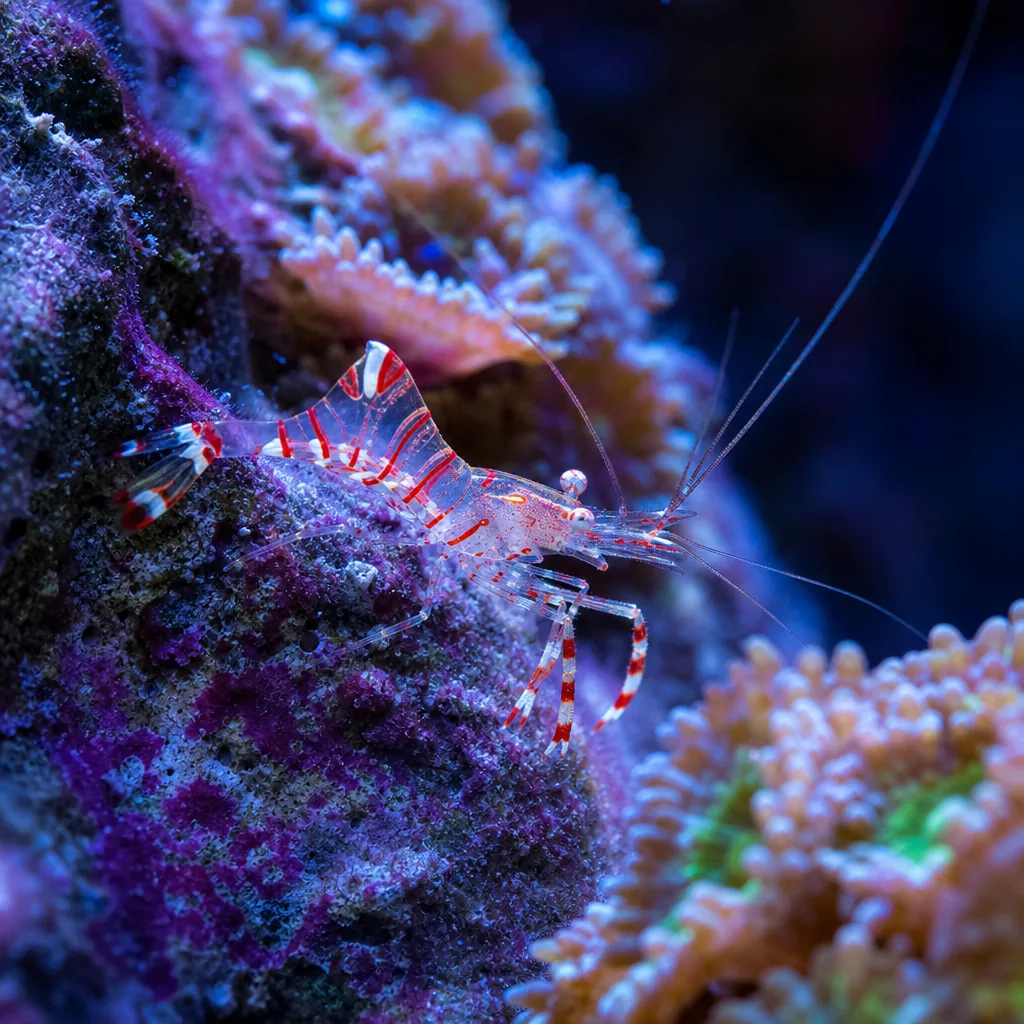
    Peppermint shrimp on reef rock hunting pests

    Method 2: Biological Control

    Nature offers several aiptasia predators, which are ideal for tanks with populations spread across hard-to-reach spots:

    • Peppermint shrimp (the true Lysmata species) will eat smaller aiptasia. Buy from a source that can confirm the correct species, since look-alikes will not do the job.
    • Certain filefish and some butterflyfish eat aiptasia, but many are not reef-safe and may nip corals, so research any fish carefully before adding it.
    • Berghia nudibranchs feed exclusively on aiptasia and are extremely effective for heavy infestations, though they are small, easily lost, and will starve once the aiptasia are gone.

    Biological control works best as part of a strategy, cleaning up what you cannot reach by hand, rather than as a sole solution for a major outbreak.

    Method 3: Combining Approaches

    For a serious infestation, layer your tactics. Knock down the large, accessible aiptasia with injections, then add a biological predator to hunt the small ones hiding in crevices. This combination catches both the visible offenders and the reinforcements you would otherwise miss.
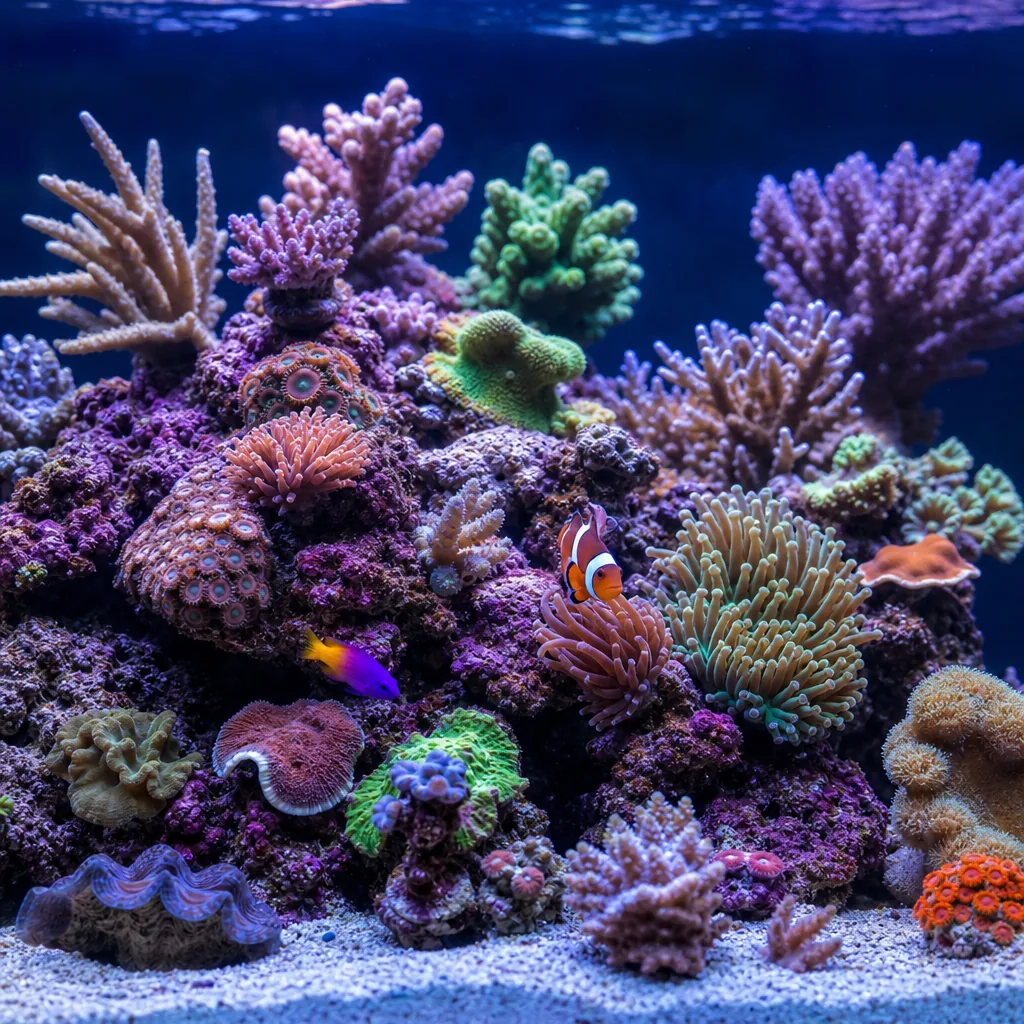
    Clean healthy reef rock with thriving corals

    What Not to Do

    • Do not scrape, cut, or squish them. Fragmentation is exactly how they spread.
    • Do not use boiling water or other crude field remedies inside a reef tank; you risk your corals and water chemistry.
    • Do not ignore a small population. A couple of aiptasia today can be dozens in a month, so act early.

    Prevention: Stop Them at the Door

    The best aiptasia strategy is never introducing them. Every new frag or piece of live rock is a potential carrier.

    • Dip and inspect all new corals and rock before they go into your display tank.
    • Quarantine new additions when possible and watch for hitchhikers.
    • Cull any aiptasia you spot immediately, while there is still only one.

    Aiptasia are beatable, but only with the right technique. Kill them in place, recruit a predator for the stragglers, and lock down your quarantine so no new ones arrive. Find more reef pest walkthroughs on the blog.

    Ready to set up your tank? Shop Saltwater gear on Amazon.Shop on AmazonAs an Amazon Associate we earn from qualifying purchases.

    Frequently Asked Questions

    Why does cutting or scraping aiptasia make it worse?

    Aiptasia reproduce from fragments. A damaged anemone releases pieces of tissue that each grow into a new one, so scraping or squishing a single aiptasia can seed dozens across your tank.

    Do peppermint shrimp really eat aiptasia?

    True Lysmata peppermint shrimp eat smaller aiptasia, but effectiveness varies by individual and look-alike species will not do the job. Buy from a source that confirms the correct species, and treat them as part of a broader strategy.

    What is the most reliable way to kill aiptasia?

    Injecting the anemone with a commercial aiptasia killer or a thick kalkwasser paste directly into its mouth is the most dependable manual method. Turn off pumps first and be precise so it ingests the full dose.

    Are Berghia nudibranchs a good option?

    Yes, for heavy infestations. Berghia nudibranchs feed exclusively on aiptasia and are very effective, but they are small, easily lost, and will starve once the aiptasia are gone, so they suit large outbreaks best.

    How do I keep aiptasia out of my tank?

    Dip and inspect every new coral and piece of live rock, quarantine new additions when you can, and cull any aiptasia the moment you spot one. Preventing introduction is far easier than fighting an infestation.

    Aiptasia Reef Rid Tank
    Share. Facebook Twitter Pinterest LinkedIn Tumblr Email
    Previous ArticleBlack Beard Algae: How to Kill It for Good
    Next Article Amano Shrimp vs Cherry Shrimp: Which Is Better?
    Pawvista
    • Website
    • Facebook
    • X (Twitter)
    • Pinterest
    • Instagram
    • LinkedIn

    Related Posts

    Nerite Snails: The Best Algae-Eating Snail Explained

    July 29, 2026

    Mystery Snails With Goldfish | The Goldfish Tank

    July 28, 2026

    Healthiest Goldfish | The Goldfish Tank

    July 28, 2026
    Add A Comment
    Leave A Reply Cancel Reply

    Top Posts

    The Pros and Cons to Owning an Alaskan Malamute – Fantastic Furries

    July 27, 20266 Views

    Read This BEFORE You Get a New Ferret – The Modern Ferret

    July 27, 20265 Views

    Rabbit Teeth Grinding: What Is It & Why Do They Do It

    July 27, 20263 Views
    Stay In Touch
    • Facebook
    • YouTube
    • TikTok
    • WhatsApp
    • Twitter
    • Instagram
    Latest Reviews

    Subscribe to Updates

    Get the latest tech news from FooBar about tech, design and biz.

    About us

    Welcome to GenzyPets.com, your trusted source for everything related to micro pets and small companion animals.

    At GenzyPets, we believe that every pet deserves the best care, whether it's a hamster, guinea pig, rabbit, hedgehog, chinchilla, ferret, bird, reptile, fish, or any other small pet. Our mission is to provide pet owners with reliable, easy-to-understand, and practical information to help them give their pets healthy and happy lives.

    Most Popular

    The Pros and Cons to Owning an Alaskan Malamute – Fantastic Furries

    July 27, 20266 Views

    Read This BEFORE You Get a New Ferret – The Modern Ferret

    July 27, 20265 Views

    Rabbit Teeth Grinding: What Is It & Why Do They Do It

    July 27, 20263 Views

    Subscribe to Updates

    Get the latest creative news from FooBar about art, design and business.

    © 2026 GenzyPets.com. All Rights Reserved.
    • Terms & Conditions
    • Privacy Policy
    • Contact Us
    • About Us

    Type above and press Enter to search. Press Esc to cancel.