

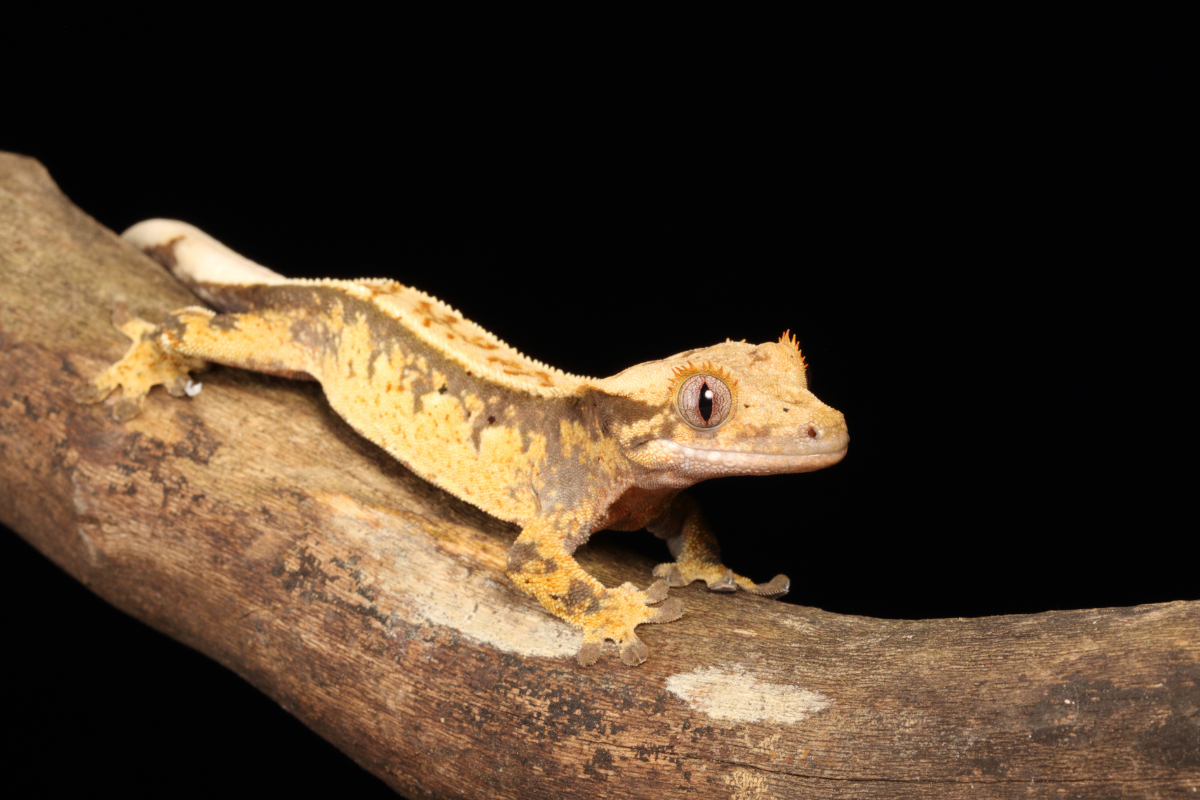
Crested geckos are increasingly popular as pets in the UK, thanks to their docile nature and manageable care requirements. If you’re considering bringing one into your home, you might be wondering, “How long do crested geckos live?”
In captivity, crested geckos typically live between 15 to 20 years, with some geckos reaching 25 years or more with proper care. In the wild, however, their lifespan is shorter – around 5 to 15 years – due to environmental pressures like predators and food scarcity. In this blog, we’ll take you through the lifespan of crested geckos, how to care for them to maximise their longevity, and the factors that influence their health and wellbeing, ensuring you can enjoy many more years with your pet!
The Average Lifespan of a Crested Gecko

Crested geckos are known for their impressive lifespan compared to many other gecko species. With optimal care, they can live for 15 to 20 years in captivity, which is significantly longer than many other reptiles. The good news is that this lifespan can be extended even further in some cases, with the first known crested geckos surviving well into their 30s.
Lifespan in Captivity
Key factors that contribute to a longer lifespan in captivity include:
-
Consistent temperature and humidity control
-
Balanced diet and proper supplementation
-
A stress-free, safe environment
-
Regular veterinary care
It’s worth noting that female crested geckos may have slightly shorter lifespans due to the demands of egg production. However, with proper rest between breeding cycles and good care, females can live a full, healthy life too.
Lifespan in the Wild
Key factors affecting wild crested gecko lifespan:
In their natural environment, crested geckos are unfortunately also more vulnerable to natural disasters, like cyclones and droughts, which further reduce their chances of survival.
Crested Geckos Lifespan Compared to Other Gecko Species

A crested gecko, also affectionately known as an ‘eyelash gecko’ because of their protruding eyelids, has a notably long lifespan when compared to other common gecko species. Most pet geckos have shorter lifespans, making crested geckos the perfect pet if you’re looking for a long-term companion.
|
Species |
Captive Lifespan |
Wild Lifespan |
|
Crested Gecko |
15-20 years |
5-15 years |
|
Leopard Gecko |
10-15 years |
6-8 years |
|
House Gecko |
5-10 years |
2-5 years |
|
Tokay Gecko |
8-12 years |
4-7 years |
4 Key Factors That Affect Crested Gecko Lifespan

To ensure your crested gecko lives a long and healthy life, it’s essential to understand the four key factors that influence their longevity. Diet, environment, genetics, and overall care all play crucial roles in how long your crested gecko will live.
1. Diet and Nutrition
The right diet is critical for the health and longevity of your crested gecko. Crested geckos are omnivores, and their diet should include both fruit-based foods and animal proteins for maximum nutritional value. High-quality powdered crested gecko food, such as powdered mixes containing proteins, vitamins, and minerals, forms the foundation of their nutrition.
Additionally, live foods such as brown crickets, black crickets, locusts and dubia roaches, along with occasional fruit treats, contribute to their balanced diet.
-
Crested Gecko Diet: Powdered crested gecko food (80%), live insects (10%), fresh fruits (10%).
-
Fresh Water: Make sure your crested gecko always has access to fresh, clean water in a shallow water bowl.
-
Feeding Frequency: Baby crested geckos need daily feedings, while adults should eat every other day or 2-3 times a week.
Overfeeding can lead to obesity and other health problems, so it’s essential to keep their diet well-balanced.
2. Environmental Conditions & Enclosure Setup
Crested geckos come from the mild, humid forests of New Caledonia, so recreating elements of their natural habitat in captivity is essential for their health and longevity. As arboreal reptiles, meaning they spend much of their life on trees, they enjoy climbing, which makes a tall glass enclosure the best choice for an adult crested gecko’s tank.
These enclosures should provide proper ventilation with both front and top airflow, while maintaining a temperature gradient that allows your gecko to regulate its body temperature comfortably. The ideal temperature range is around 22–26°C during the day, with a gentle drop to 18–22°C at night, achieved with a heat mat attached to the outside of the tank or, if needed, a low-wattage heat bulb.
Humidity levels should be kept between 50–70%, and misting the enclosure each evening will ensure water droplets settle on leaves and tank walls, as crested geckos often drink this way. Adding plenty of climbing branches, bark chips or soil, and pet safe plants creates a stimulating habitat with hiding spots that mimic their natural environment.
3. Genetics

Genetics play a significant role in a crested gecko’s overall health and lifespan. Captive-bred geckos from reputable breeders typically have fewer health issues than wild-caught geckos.
-
Healthy Genetics: Geckos from established breeders often have better resistance to diseases.
-
Inbreeding Risks: Inbreeding can lead to genetic problems, so it’s essential to choose breeders that track their gecko lines.
4. Health and Veterinary Care
Regular health monitoring and veterinary care are essential for keeping your crested gecko in top condition. Metabolic bone disease (MBD) and respiratory infections are the most common health threats, but parasites and skin infections can also arise if not addressed early.
Here’s how to prevent these issues and keep your gecko healthy:
|
Health Issue |
Cause |
How to Prevent |
|
Metabolic Bone Disease (MBD) |
Lack of calcium and UVB light |
Provide a balanced diet with calcium supplementation. Ensure proper UBV lighting for calcium absorption. |
|
Respiratory Infections |
Poor hygiene or ventilation |
Maintain humidity levels between 50-70%.Ensure proper ventilation in enclosure and avoid temperature fluctuations. |
|
Parasites |
Wild-caught geckos may carry parasites |
Choose captive-bred geckos from reputable breeders. Quarantine new pets before introducing them to your gecko. |
Annual veterinary check-ups are a great idea to catch these health issues early. Keeping a clean habitat, ensuring proper climbing and floor space in their enclosure, and providing a balanced diet – including powdered crested gecko food and live insects like crickets – will help maintain their long term health.
Understanding the Crested Gecko Life Cycle

Crested geckos go through distinct phases from hatching to old age, with each stage bringing unique care requirements.
Growth and Maturation
Crested geckos, often referred to as “cresties,” go through remarkable growth stages during their lives. Hatchlings are initially about 1.5 to 2 inches long and grow rapidly in their first year, with juveniles needing daily feedings of appropriately sized insects and commercial gecko food.
By around 6 months, these geckos are transitioning to their adolescent stage, which lasts until they reach sexual maturity between 9-12 months. At this point, they approach their adult size – typically 4-5 inches from snout to vent and 7-9 inches with the tail.
It’s essential to monitor their growth through weight milestones:
-
Hatchlings weighing 1-2 grams
-
6-month-olds at 8-15 grams
-
Adults ranging from 35-55 grams
Care During Breeding

Breeding crested geckos can be a rewarding experience but requires careful consideration and preparation. If you decide to breed your geckos, here are a few things to keep in mind:
-
Tank Setup: Ensure the enclosure is large enough to accommodate both geckos comfortably. Provide plenty of climbing branches, hiding spots, and live plants. A separate breeding tank may be necessary to avoid stress.
-
Female Rest Periods: Female crested geckos need time to recover between breeding cycles, typically requiring a few months of rest before being bred again. Regular breeding can cause health issues, so be mindful of this.
-
Health and Diet: Both males and females should be in peak health before breeding. Provide a nutritious diet, including calcium supplementation and UVB lighting, to support both their energy levels and egg production.
-
Egg Incubation: If eggs are laid, you will need a suitable incubation setup, usually at a temperature of around 29°C, to ensure the healthy development of the eggs.
Breeding should only be considered if you’re ready for the commitment of raising hatchlings and ensuring both the parents and offspring receive the best care. If you’re unsure or unprepared for the responsibility, it’s often best to avoid breeding.
Aging Crestie Considerations
As crested geckos age gracefully, their natural decline often involves subtle changes, such as a reduced appetite and increased sleeping, developing gradually over time. While age-related issues like organ decline and a weakening immune system can arise, regular veterinary check-ups can help catch potential problems early, ensuring their comfort.
Indicators of their quality of life include their interest in handling, feeding, and movement. When significant changes occur, consulting a reptile expert or veterinarian is essential to assess their wellbeing. To keep elderly cresties comfortable, it’s important to maintain stable temperatures and provide easy access to food and water while minimising stress.
Wrapping Up

Crested geckos are wonderful pets that can live for 15-20 years with the right care. By understanding their dietary needs, environmental requirements, and the importance of regular health checks, you can help ensure your gecko lives a long, healthy life.
Caring for a crested gecko may require a little effort, but overall they are quite easy to keep and the rewards are well worth it. With proper attention to their diet, habitat, and general wellbeing, your crested gecko will thrive as a great pet and companion for years to come. At the Reptile Centre, we’ve created a comprehensive Crested Gecko Care Sheet to help ensure your pet lives a long, happy, and healthy life. If you have any questions, don’t hesitate to reach out to us!
Frequently Asked Questions
What do crested geckos eat?
Crested geckos are omnivores so they enjoy a diet of powdered crested gecko food, live food like crickets and locusts, and fresh fruits. Ensure they always have access to clean water in a shallow water bowl.
Are crested geckos supposed to shed skin?
Yes, shedding is completely normal for crested geckos as they grow. They shed their skin regularly, and you might see pieces of their shed skin in their enclosure. Offering a humidity-friendly environment helps them shed smoothly.
Are crested geckos nocturnal animals?
Yes, crested geckos are nocturnal, which means they are most active during the night. This is when they hunt for food and explore their environment, making them fascinating companions in the evening.
How can I keep my crested gecko comfortable in old age?
As crested geckos age, providing softer foods, easier access to food and water stations, and maintaining a stable temperature will ensure they remain comfortable and happy.
How often should I clean my crested gecko’s enclosure?
It’s best to clean your crested gecko’s enclosure thoroughly every two weeks, replacing substrate and wiping down surfaces to maintain a healthy environment.
