


Introduction To Can A Male And A Female Betta Fish Live Together
Can a male and a female betta fish live together in the same tank? This is a common question among betta fish enthusiasts and novices alike. At The Goldfish Tank, we aim to provide accurate and effective advice for your aquarium needs. One must consider their natural behavior, territorial instincts, and specific needs before deciding to keep a male and female betta together. Betta fish are beautiful and vibrant creatures that can be a joy to watch, but they also come with a set of challenges that need to be addressed to ensure they thrive. Stay tuned as we uncover the essential aspects of betta fish cohabitation, ensuring your aquarium remains a stress-free and healthy environment for all its inhabitants.

Understanding Betta Fish Behavior
The question Can a male and a female betta fish live together? often arises among betta enthusiasts. Betta fish, also known as Siamese fighting fish, are renowned for their vivid colors and intricate fin designs. However, their striking appearance is matched by a pronounced territorial nature.
Male bettas, in particular, are known for their aggression towards other males, frequently resulting in fights if placed in a confined space like an aquarium. This raises an important concern when considering keeping a male and female betta together. Female bettas, while generally less aggressive than their male counterparts, still exhibit territorial behavior, especially when establishing a hierarchy within a group.
Understanding these behavioral traits is crucial for anyone looking to introduce male and female bettas into the same tank. Both sexes display a range of behaviors that can indicate stress, aggression, or contentment. Monitoring their interaction closely is essential to determine if cohabitation is feasible. Betta fish use visual signals, body language, and sometimes fin displays to communicate their positions and boundaries within a shared territory. Therefore, before deciding to keep male and female bettas together, it’s vital to understand their behavior patterns and ensure the environment is conducive to reducing potential conflicts. By recognizing and respecting these natural instincts, you can create a more harmonious living situation for your bettas.
Can Male and Female Betta Fish Live Together?
Can a male and a female betta fish live together? The short answer is yes, but with significant caveats. Betta fish, also known as Siamese fighting fish, are known for their aggressive behavior and territorial instincts. This behavior makes cohabitation a risky endeavor. Male and female betta fish together can create a dynamic that fluctuates between harmony and aggression. Males are particularly territorial and can show signs of aggression toward females, especially when confined in small spaces.
It’s crucial to understand the behavior and needs of both male and female betta fish to ensure a safe and stress-free environment. Space and territory play a pivotal role. Providing a tank of at least 20 gallons with plenty of plants and hiding places can mitigate territorial disputes. In smaller tanks, the constant proximity can lead to stress and aggression, escalating to injuries or even death. Male betta fish often perceive any tank mate, including females, as a threat to their territory. It’s essential to monitor their interactions closely, especially during the initial introduction period. Signs of stress or aggression should be addressed immediately by separating the fish to prevent any harm.
Introducing male and female betta fish together requires careful planning and execution. Using a barrier or ‘betta condo’ initially can help both fish acclimate to each other’s presence without physical contact. Some betta fish owners have successfully kept a male and female betta together by creating an environment that caters to their instinctual needs. Introducing other tank mates like ghost shrimp or kuhli loach can help disperse aggression by creating a more dynamic environment.
In conclusion, while it is possible to keep a male and female betta fish together, it is a complex and often delicate process. Understanding the behavioral dynamics, providing ample space, and closely monitoring their interactions are essential to a successful cohabitation. By following these guidelines, you can create a balanced environment where both male and female betta fish can thrive.

Are Male Betta Fish Aggressive to Females?
Can a male and a female betta fish live together?
This is a common question among fish keepers, and the answer hinges largely on understanding the aggression levels between male and female bettas. Male betta fish, also known as Siamese fighting fish, are notoriously aggressive. This aggression is not just directed towards other males, but it can also be aimed at female betta fish. The presence of a female can trigger territorial instincts in a male betta, often resulting in aggressive behavior.
One primary reason for this aggression is the males’ need to establish dominance and territory within the tank. Male bettas will often see female bettas as intruders in their space, which can lead to fin-nipping, chasing, and constant harassment. This behavior can cause significant stress to both the male and the female betta. In such cases, it’s advisable to separate them to prevent injury or death.
In conclusion, while it is possible for male and female bettas to live together, it comes with inherent risks due to the aggressive nature of the males.Constant monitoring and having a contingency plan for separation are crucial for the well-being of both fish.
Keeping a Single Male and Female Betta Fish Together
Can a male and a female betta fish live together?
This question has intrigued many betta enthusiasts and sparked considerable debate. While it is possible to keep a single male and female betta together, it requires careful consideration of multiple factors to ensure their well-being. Understanding the territorial nature of betta fish is crucial. Both male and female bettas can be fiercely territorial, and this behavior can lead to aggression if their environment is not properly managed. For a successful cohabitation, the tank size must be ample.A minimum of 20 gallons is recommended to provide enough space and territory for each fish to retreat and establish their own areas.
Adding plenty of plants and hiding spots is essential as they offer refuge and help to reduce stress levels among the fish. Monitoring the interactions between the male and female betta together is vital during the initial introduction phase. It is not uncommon for males to display initial aggression, manifesting through flaring and chasing. Some bettas have a more docile nature, which facilitates peaceful cohabitation, while others are inherently aggressive and should not be kept with another betta.
Observing and knowing the behavioral tendencies of your specific fish is instrumental in deciding if cohabitation is feasible. Despite these efforts, the risk of conflicts cannot be entirely eliminated.
In conclusion, while a single male and female betta can live together under optimal conditions, it involves a high level of commitment to monitor, manage, and ensure their environment meets their needs. For novice betta keepers, it is often safer to keep them separately to avoid unnecessary stress and potential harm to the fish.
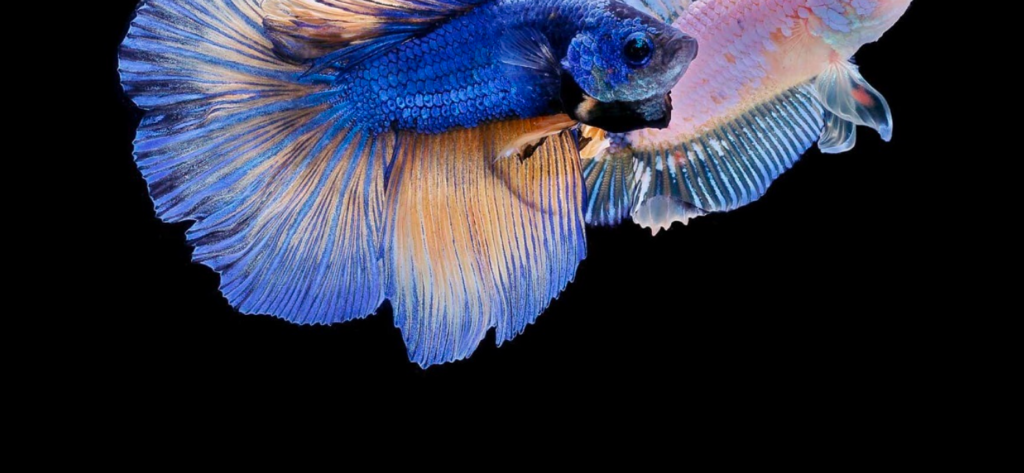
How to Introduce Females and Males Together
Can a male and a female betta fish live together?
Introducing male and female bettas to the same tank can be challenging, but it’s possible with careful planning and patience. The key to success lies in understanding their behavior and ensuring a stress-free environment.
Step 1: Choose the Right Tank
A spacious tank is crucial for introducing male and female bettas together. A 10-gallon tank is the minimum size recommended to provide enough territory for both fish. Adding plenty of plants and hiding places can help minimize aggression by giving each fish a space to retreat.
Step 2: Monitor Their Behavior
When you first introduce the bettas, closely monitor their behavior. It’s normal for male bettas to flare and show aggression initially. However, if this behavior persists beyond a few days, it might be best to separate them. Betta fish aggression can lead to severe stress and injury, which should be avoided at all costs.
Step 3: Use a Divider
A tank divider can be an excellent tool for initial introductions. It allows the male and female bettas to see each other without direct contact. Over time, they may become accustomed to each other’s presence, reducing the likelihood of aggressive encounters.
Step 4: Gradual Introduction
After using a divider, a gradual introduction is the next step. Begin by allowing short, supervised interactions without the divider. Increase the duration of these sessions as long as both fish remain calm. Ensure that there are plenty of hiding spots and plants during these interactions.
Step 5: Be Prepared to Separate
Despite taking all precautions, sometimes male and female bettas simply cannot coexist peacefully. Always be ready to separate them if aggressive behaviors persist. A separate tank or betta condo can be a lifesaver in such situations, allowing each fish to live stress-free.
Final Thoughts
Introducing male and female bettas together requires careful consideration and an understanding of their behavior. By providing adequate space, monitoring their interactions, and using gradual introduction techniques, you can create a harmonious environment. However, always be prepared to act swiftly if aggression becomes a problem, ensuring the well-being of both bettas.
Tank Size and Territory
Can a male and a female betta fish live together?
The tank size and territory play a crucial role in answering this question. Male and female betta fish are known for their territorial behavior. In the wild, bettas occupy distinct spaces, ensuring minimal interaction to avoid conflict. When keeping a male and female betta together, it is essential to provide sufficient space to replicate this natural behavior.
A general recommendation is that a tank size of at least 10 to 20 gallons is necessary to house both male and female betta fish together. The larger the tank, the more territory each fish can claim, reducing the likelihood of aggression.
Signs of Stress and Aggression
Can a male and a female betta fish live together in the same tank without showing signs of stress and aggression? The answer is complicated and highly dependent on the specific circumstances, such as tank size and introduction methods. Another sign to watch out for is fin clamping. Male and female betta fish will clamp their fins close to their bodies when they feel threatened or stressed. This behavior is a defensive mechanism.
Increased hiding is another symptom of stress. If your male or female betta fish is constantly retreating into hiding places, this may indicate they are feeling threatened or bullied by the other fish in the tank. Aggression is also a major concern. Male betta fish are especially known for their territorial behavior. They might flare their gills and fins to appear larger and more menacing. This display is often a precursor to more violent behavior.
In summary, if you’re asking, can a male and a female betta fish live together safely? the answer relies heavily on recognizing these signs of stress and aggression. Monitoring behaviors like color fading, fin clamping, increased hiding, and aggressive displays can provide important clues about the well-being of your betta fish.
Alternative Tank Mates for Betta Fish
Can a male and a female betta fish live together?
While this question often arises among betta keepers, it’s equally crucial to explore alternative tank mates for betta fish. Finding appropriate companions can reduce stress and aggression, enhancing the overall health of your aquarium.
Suitable Tank Mates for Betta Fish
Betta fish, known for their vivid colors and striking fins, can be aggressive, especially males. However, certain species can coexist peacefully with male and female bettas.
Ember Tetras, Kuhli Loaches, and Ghost Shrimp are excellent options. These species are generally small, non-aggressive, and can navigate well around the tank without disturbing the bettas.
Factors to Consider
When choosing tank mates, consider several factors.
First, the size of the tank must be adequate. A larger aquarium can help mitigate territorial disputes by providing ample space for all inhabitants. Second, pay close attention to each species’ behavior and compatibility. For instance, Guppies might not be the best choice due to their flowing fins, which can provoke male bettas. Always consult reliable sources or experts for accurate recommendations.
Benefits of Alternative Tank Mates
Introducing compatible tank mates can offer several benefits. It diversifies the ecosystem, making it more visually appealing and stimulating for bettas. These companions help maintain the tank by consuming algae or leftover food, contributing to a cleaner environment. Moreover, a well-balanced community tank can reduce the likelihood of stress and aggression, particularly when male and female betta fish live together in the same space.
Monitoring and Adjustments
Even with suitable tank mates, continual monitoring is vital. Signs of stress or aggression should prompt immediate action. Consider adding more hiding spots and plants to mimic a natural environment. If problems persist, isolating the bettas or reconfiguring the tank layout might be necessary.

Conclusion
Can a male and a female betta fish live together? The answer is not straightforward. While it is possible, it is generally not recommended due to the inherent risks of aggression and stress. Male bettas are notoriously territorial, and their behavior can become particularly aggressive when a female is present.
The Goldfish Tank advises that you only attempt to keep a male and a female betta together if you have a thorough understanding of betta behavior and a carefully planned aquarium setup. If you observe any signs of stress or aggression, be prepared to separate them immediately to ensure their well-being. Always prioritize the health and well-being of your bettas in any decision-making process related to their care.
