

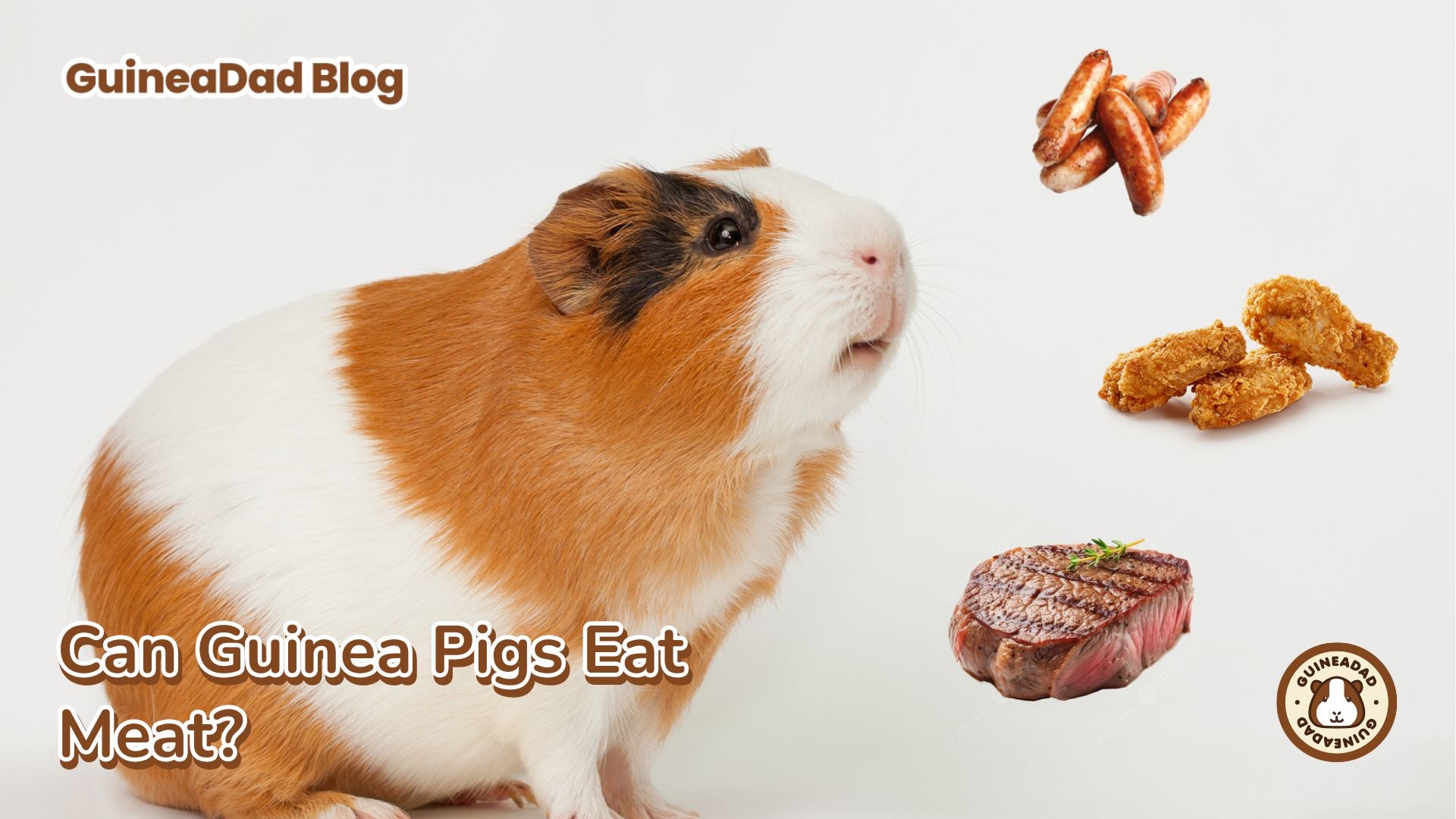
The quick answer: No! Absolutely not!
A guinea pig’s diet should consist solely of fresh hay, certain raw vegetables, specially formulated guinea pig pellets, and occasionally some certain fresh fruits as a treat. However, when it comes to protein sources, it’s essential to understand that guinea pigs are herbivores, which means they don’t consume meat in the wild. In this article, we will explore why it is crucial not to feed meat to guinea pigs and the potential health risks associated with this dietary misstep.
Guinea Pigs Are Herbivores
First and foremost, it’s vital to recognize that guinea pigs are natural herbivores. In the wild, they primarily graze on grasses, plants, and leafy greens. Their digestive system is not designed to process animal proteins. Their teeth, for example, are ideal for breaking down fibrous plant matter, not for tearing into meat.

The Guinea Pig Digestive System
Guinea pigs have a unique digestive system that distinguishes them from omnivorous or carnivorous animals. Their digestive tracts are relatively long and adapted for breaking down fibrous plant materials. Unlike carnivores, guinea pigs lack the necessary enzymes to efficiently process animal proteins. Introducing meat into their diet can lead to digestive problems and discomfort.
Guinea Pig Protein Requirements
Guinea pigs do require a certain amount of protein in their diet, but they meet all of their protein needs through plant-based sources. High-quality guinea pig food pellets usually provide an adequate amount of protein. These guinea pig pellets are specially formulated to cater to a guinea pig’s nutritional needs, ensuring they receive the right balance of essential vitamins and nutrients.
Health Risks
Feeding meat to guinea pigs can result in several health risks:
- Digestive Issues
Guinea pigs have sensitive digestive systems, and meat can be difficult for them to digest. Consumption of meat can lead to gastrointestinal problems, including diarrhea and stomach discomfort.
- Kidney Strain
The high protein content in meat can put extra strain on a guinea pig’s kidneys. This can be particularly problematic for older guinea pigs or those with preexisting kidney issues.
- Obesity
Meat is often high in fat, and excess fat can lead to obesity in guinea pigs. Obesity is associated with a range of health problems, including heart issues and joint pain.
- Urinary Problems
A diet high in animal protein can alter the pH of a guinea pig’s urine, potentially leading to urinary problems like kidney stones and urinary tract infections.
- Allergies
Some guinea pigs may develop allergies or sensitivities to meat, leading to skin problems or gastrointestinal distress.
Healthy Alternatives to Meat
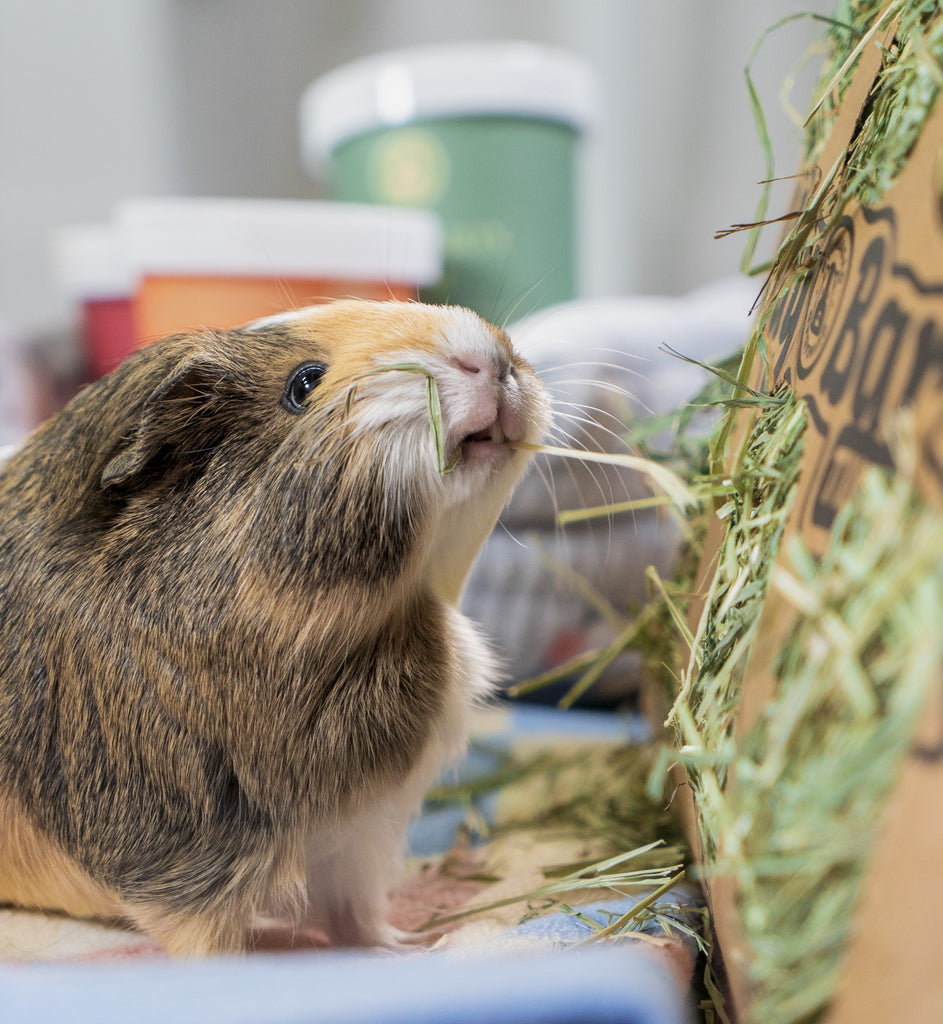
Ensuring your guinea pigs receive the right amount of protein, fats, iron, and other minerals without having meat in their diets is easy! Guinea pigs don’t need excessive amounts of protein, they actually get the vast majority of what they need from the hay they eat. Giving your guinea pig the best diet possible for their health means providing an endless supply of fresh Timothy hay or Orchard hay.
A healthy guinea pig diet should include:
-
Timothy hay or Orchard hay: Hay is the largest component of a guinea pig’s diet. It aids in digestion and helps maintain healthy teeth, organ functioning, and cognition.
- High-quality Guinea Pig Pellets: Look for pellets specially formulated for guinea pigs. These provide a balanced diet and include the necessary protein, vitamins, and minerals.
- Fresh Vegetables: Fresh vegetables like bell peppers, kale, and carrots are excellent sources of vitamins and nutrients for guinea pigs. These can be given in moderation.
- Fresh Water: Ensure your guinea pig has access to clean, fresh water at all times.
It’s paramount for pet owners to recognize and respect the dietary needs of their guinea pigs. As herbivores, they are not equipped to process meat and introducing it into their diets is likely to lead to a variety of health issues.
By providing a balanced plant-based diet that includes high-quality pellets, fresh vegetables, and timothy hay, you can ensure that your guinea pig thrives. Remember that the key to a happy and healthy guinea pig is a diet that aligns with their natural herbivorous instincts.
Herbivores, Omnivores, and Carnivores
Every species of animal has distinct characteristics that dictate their diet and behavior. Let’s explore the key differences between these three dietary categories.
Herbivores
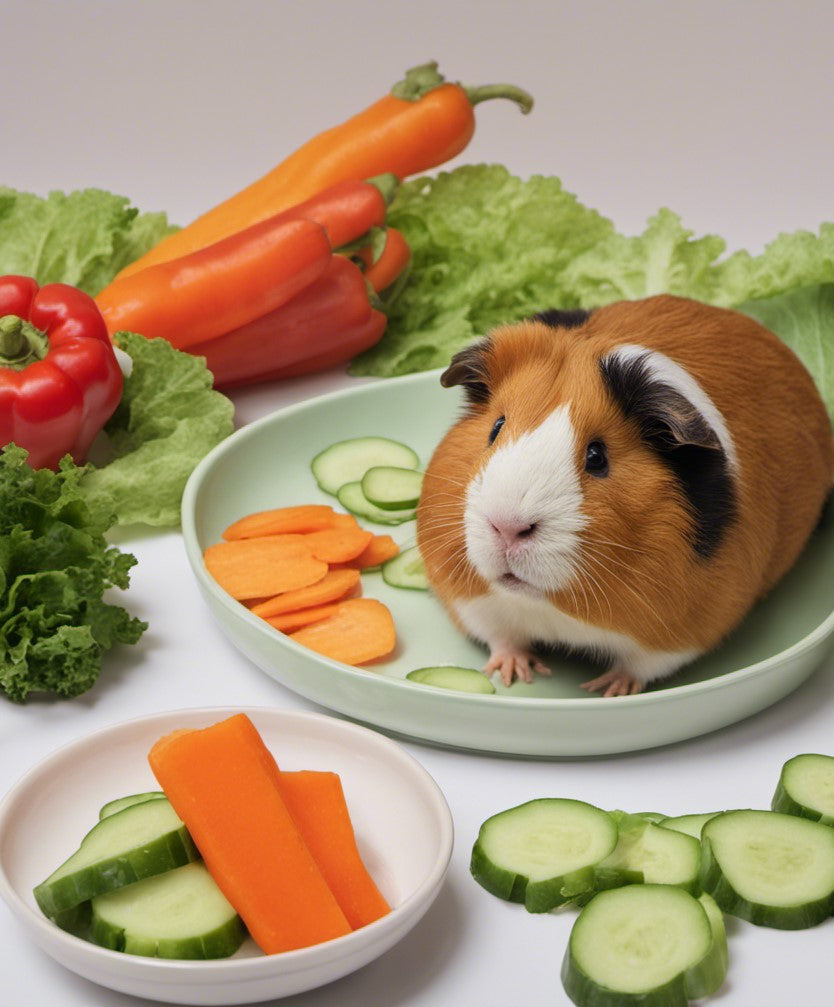
Herbivores are animals that primarily consume plant-based foods. They have evolved to extract nutrients from a diet rich in vegetation. Here are some key features of herbivores:
- Diet: Herbivores feed on a variety of plant materials, including leaves, stems, roots, fruits, seeds, and even algae. They rarely, if ever, consume animal flesh.
- Dental Adaptations: Herbivores often have specialized teeth for grinding and breaking down plant matter. They may have flat molars for chewing or long, sharp incisors for cropping vegetation.
- Digestive System: Herbivores typically have a longer digestive tract, allowing for more efficient processing of plant cellulose. Many herbivores rely on symbiotic microorganisms in their gut to help digest tough plant fibers.
Examples: Common examples of herbivores include cows, deer, elephants, and rabbits.
Carnivores

Carnivores are animals that primarily consume the flesh of other animals. They have adaptations that are well-suited for hunting, capturing, and consuming animal prey. Here’s what characterizes carnivores:
- Diet: Carnivores are true meat-eaters, focusing on a diet that consists primarily of the flesh of other animals. Their diet may include vertebrates or invertebrates, depending on their size and habitat.
- Dental Adaptations: Carnivores have sharp, pointed teeth for grasping, tearing, and slicing meat. Their teeth are not designed for grinding or processing plant material.
- Digestive System: Carnivores have a relatively short digestive tract, as meat is easier to digest compared to plant matter. They also lack the specialized microorganisms found in herbivores for breaking down cellulose.
Examples: Lions, hawks, snakes, and spiders are classic examples of carnivores.
Omnivores

Omnivores are animals that have a more flexible approach to their diet. They consume both plant-based and animal-based foods, making them generalists when it comes to their eating habits. Here’s what sets omnivores apart:
- Diet: Omnivores have a varied diet that includes plant material, such as fruits and vegetables, as well as animal matter like insects, small vertebrates, and even scavenged carrion.
- Dental Adaptations: Omnivores often have a mix of teeth. They may have sharp incisors for tearing meat and flatter molars for grinding plant matter.
- Digestive System: The digestive system of omnivores is a compromise between herbivores and carnivores. It’s capable of processing both plant and animal foods, but not as efficiently as specialized herbivores or carnivores.
Examples: Humans, bears, raccoons, and some bird species, like crows, are considered omnivores.
___
We hope has helped you get to know your furry herbivorous friend even better.
Happy snacking, GuineaGang!
~ GuineaDad
