

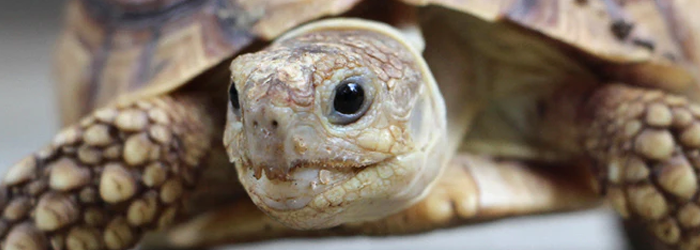
Reptiles are unique pets with unique nutrition needs. Nutrition needs that aren’t properly met coupled with inadequate environmental conditions can cause serious health challenges. Understanding your role as a caretaker in disease recognition, prevention and treatment is key. “For all reptiles, it is essential to do appropriate research to create the ideal managed care environment for nutrition to be maximized. Additionally, caretakers should make themselves aware of the proper body and behavioral conditions of their pet so they can recognize any abnormalities that may arise,” advised Scott Davis, Mazuri regional manager, former professional zookeeper and 40-year hobbyist.
The nutrition you provide your pet is fundamental for reptile health, and a managed care environment is critical for that nutrition to be truly impactful. We had the opportunity to talk with Scott about how to best monitor, manage and promote reptile health and well-being with this in mind. Throughout our conversation, we learned about some of the most common nutrition related health issues for reptile owners to be aware of.
Metabolic Bone Disease
The most common nutrition disease that occurs with managed care reptiles with inappropriate husbandry care that are fed a nutritionally imbalanced diet is metabolic bone disease, which negatively affects bone and skeletal development.
Metabolic bone disease is caused by lack of supplemental vitamin D3 (either by diet and/or UV light) and an improper calcium to phosphorous ratio in the diet and/or supplement. A significant number of reptile species including turtles, tortoises, bearded dragons, chameleons and other lizard species are especially impacted by the lack of UV light and improper nutrition.
This disease is most often exhibited by deformed limbs, shells or malformed reptile bodies. Oftentimes, the damage of metabolic bone disease is done by the time these symptoms become visible and is irreversible. Being proactive with your nutrition and husbandry is key to avoiding this disease!
Vitamin A Imbalance
In some reptile species, especially aquatic turtles, vitamin A imbalance is more likely. This deficiency manifests physically as swelling of the eyes and can be reduced post onset, unlike metabolic bone disease. Vitamin A imbalance stems from inadequate vitamin intake from diet and can be harmful to reptile growth and health, since vitamin A is essential for proper skin cell development as well as generally healthy organs, muscles and bones. Hypovitaminosis A also occurs in reptiles whose environments don’t closely replicate a natural habitat. For this reason and many others, Scott stresses the importance of responsible husbandry and proper environmental conditions.

Obesity
Something often overlooked by pet owners is the body condition of their pet. Most often, poor body condition is exhibited by obesity. “Pet owners tend to overfeed their pets as an expression of love but doing so can cause serious health challenges,” explained Scott. “Obesity can lead to ailments such as diabetes, joint issues and a shortened life span, so making sure these opportunistic feeders are fed the appropriate amount and the correct frequency will help maintain a healthy animal.”
Obesity can also be caused by feeding your pet fruit, which contains a high sugar content. Herbivorous lizards and tortoises, for example, may be excited for something sugary. However, since commercially available fruit is significantly higher in sugar than fruits found in their natural habitat, they should not be a part of your pet’s regular diet.
Combat Nutrition Disorders at the Source
Nutrition is the cornerstone of reptile health. Providing a complete, balanced diet that’s formulated for your pet’s species-specific needs is a great way to support their overall health and prevent nutritional disorders.
Mazuri® Reptile Diets provide complete nutrition with all the vitamins, minerals and nutrients your pet requires. Mazuri animal experts and Ph.D. nutritionists formulated these diets to address reptile-specific nutritional needs to help your reptile flourish under human care.
Although supplementation is not necessary with most complete diets, some insectivorous reptiles will not eat formulated diets well and require live feed like crickets, both for enrichment and nutrition. However, live feed is only as nutritious as whatever is in the insect’s gut when your pet eats them.
Crickets, for example, empty their gut several times per day. If you are purchasing crickets with the intent of providing your reptile with a nutritious meal, you need to make sure that the crickets gut is full of nutrients. This can be achieved through a nutritionally enhanced gut loading diet.
“Insects are essentially a husk lacking a lot of nutritional value unless they are gut loaded,” shared Scott. Feeding Mazuri® Better Bug® to your insect packs your reptile’s prey with exceptional nutritional value. As the saying goes, “You are what you eat.”
With a complete nutritional profile, most Mazuri reptile diets are formulated to act as your pet’s primary source of nutrition with no supplementation necessary. Find the right diet for your reptile’s needs and get additional reptile care and nutrition tips at Mazuri.com.
