

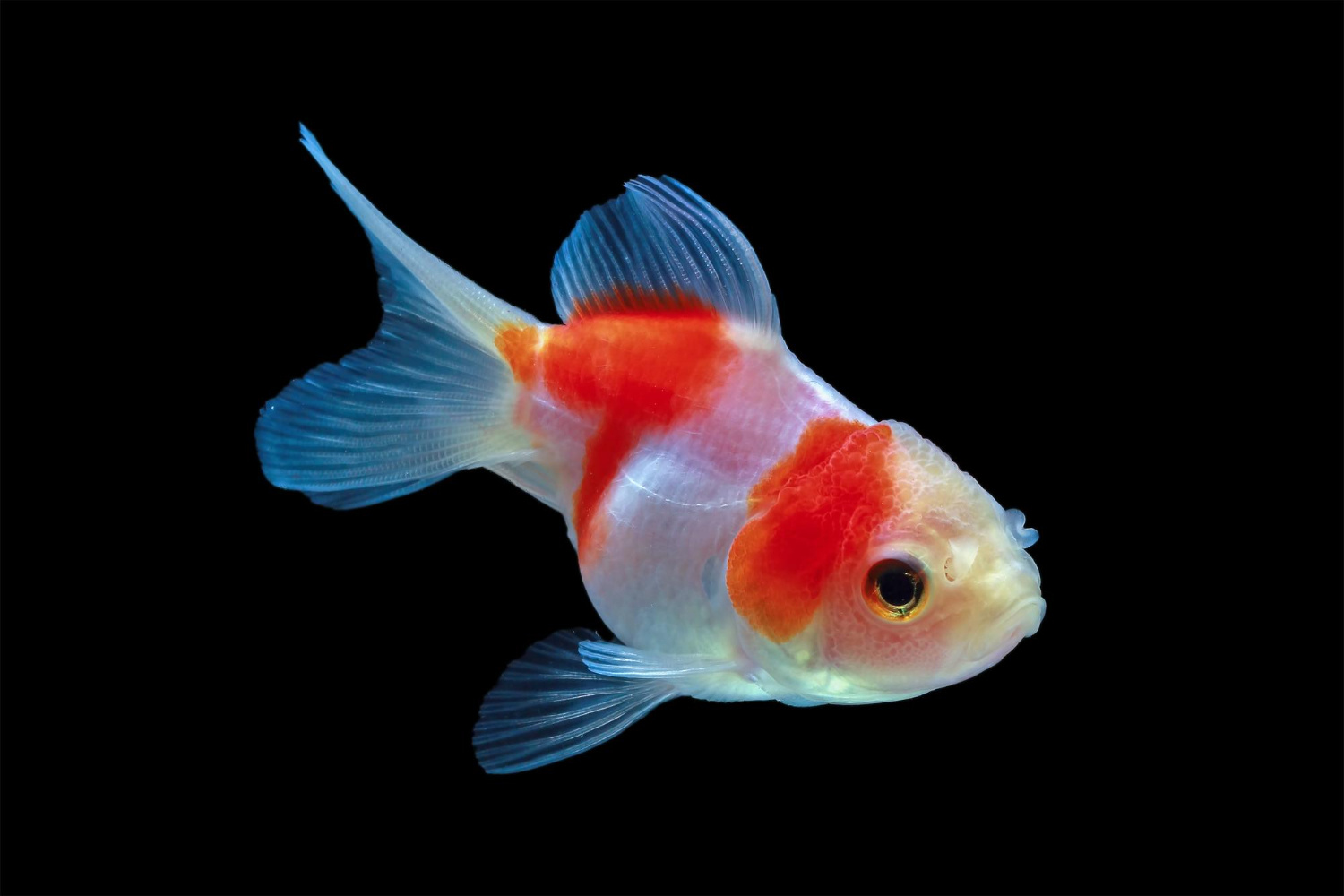
Understanding Cloudy Eyes in Goldfish
What is medicine for goldfish cloudy eyes?
When dealing with cloudy eyes in goldfish, it is crucial to first identify the underlying issue before choosing a specific treatment.
Primary interventions include meticulous attention to water quality and the use of medications like Melafix.
Cloudy eyes in goldfish can manifest as an opaque or whitish film covering the eye surface, which may impair vision and lead to apathy in the fish.
This condition is commonly a symptom of underlying factors such as poor water quality, bacterial infections, or even dietary deficiencies.
Water quality is a critical factor influencing this condition.
Elevated levels of ammonia, nitrite, and nitrate can create a toxic environment for goldfish, exacerbating the occurrence of cloudy eyes.
Regular water testing and the use of a suitable aquarium conditioner can help maintain the proper aquatic environment.
Poor diet also contributes to this problem.
A deficiency in essential vitamins, particularly Vitamin A, can weaken the fish’s immune system, making it more susceptible to infections that cause cloudy eyes.
Sometimes, the presence of parasites such as flukes or harmful fungi like Saprolegnia or Achlya can be a direct cause of cloudy eyes.
In such cases, targeted treatments and medications prescribed for parasites and fungi can be helpful.
Goldfish owners should regularly check for signs of cloudy eyes and immediate issues of water hygiene to prevent recurrence.
By isolating affected fish, owners can protect healthy individuals in the aquarium.
Understanding the cause is the first step in determining what medicine or treatment is effective for goldfish with cloudy eyes.

Common Causes of Cloudy Eyes in Goldfish
Cloudy eyes in goldfish can be distressing, prompting owners to ask, What is medicine for goldfish cloudy eyes?
Understanding the root causes is essential for effective treatment.
Trauma is a primary factor contributing to cloudy eyes.
In aquarium settings, injuries often occur from collisions with decorations or aggressive interactions.
Such trauma can cause the eye surface to swell and become opaque.
Poor water quality is another significant cause affecting goldfish eye health.
High levels of ammonia, nitrite, and nitrate can lead to eye issues.
Regular water testing and the use of water conditioners are vital to maintain a healthy environment.
Infectious agents, including bacteria and fungi such as Saprolegnia and Achlya, can contribute to cloudy eyes.
These pathogens thrive in conditions of poor hygiene and decomposing organic debris.
Nutritional deficiencies might also underlie eye problems.
Lack of vital nutrients, including certain vitamins, can weaken the goldfish’s immune system.
A balanced diet can prevent such deficiencies and enhance overall health.
Parasitic infections, particularly from protozoa and flukes, are known to cause cloudy eyes.
They irritate and damage eye tissues.
Isolating affected individuals and consulting a veterinarian for targeted treatments can help.
Cloudy eyes in goldfish require prompt attention to avoid affecting the fish’s vision and overall well-being.
Focusing on the environment’s cleanliness and providing proper nutrition are key preventive measures.
Moreover, using appropriate medications can aid in recovery and remove the symptoms effectively.
Symptoms and Diagnosis
When addressing what is medicine for goldfish cloudy eyes, it’s crucial to first understand the symptoms and methods of diagnosing this condition.
Cloudy eyes in goldfish commonly manifest as a visible whiteness or opacity that covers or partially obscures the goldfish’s eye.
This not only affects the fish’s vision but can also indicate underlying health issues.
One of the primary symptoms to observe is a change in the goldfish’s eye surface.
The eye may swell, and the affected area becomes cloudy or retains a milky color.
In severe cases, the condition can spread, affecting both eyes and further impeding vision.
Behavioral symptoms often accompany the physical changes, such as apathy and a noticeable drop in appetite.
The goldfish might isolate itself from the group, which can further contribute to its decreasing health.
These symptoms, if left unchecked, can worsen, leading to more severe health issues for your fish.
Diagnosing cloudy eyes involves checking the water quality and ensuring that levels of ammonia, nitrite, and nitrate are within safe parameters.
Poor water conditions are a significant contributing factor and can exacerbate or even trigger the condition.
Testing kits and conditioners can help maintain proper aquarium hygiene, preventing the decomposition of organic debris that leads to high ammonia levels.
It’s vital to consider secondary factors like dietary deficiencies or the presence of parasites such as flukes.
These can underlie the issue and complicate diagnosis.
Consulting a vet experienced in fish health can further pinpoint the exact cause, offering insights into tailored treatment options.
Regular observation and prompt diagnosis play a crucial role in managing and preventing cloudy eyes in goldfish.
By maintaining an optimal environment and being vigilant for symptoms, you can effectively curb any health issues that arise and answer what is medicine for goldfish cloudy eyes.
Effective Treatments for Cloudy Eyes
When it comes to what is medicine for goldfish cloudy eyes, several effective treatments can help restore your fish’s vision and overall health.
Addressing the root causes, whether poor water quality or an underlying health issue, is crucial for successful treatment.
One primary method to treat cloudy eyes in goldfish is improving water quality.
Ensure the aquarium is clean and free from decomposing organic debris, which can elevate ammonia and nitrite levels.
Using a high-quality water conditioner can help eliminate these toxins, promoting a healthier environment.
Regular water tests for pH, ammonia, nitrite, and nitrate levels are essential to maintain ideal water conditions.
A secondary treatment option is using medications such as Melafix, known for its antibacterial properties.
Melafix can effectively target bacterial infections that contribute to cloudy eyes.
However, it is important to isolate the affected goldfish during treatment to prevent the spread of potential infections.
Dietary improvements also play a critical role in treating cloudy eyes.
Ensure your goldfish receives a balanced diet rich in essential vitamins, particularly Vitamin A, to support eye health.
Sometimes, adding a commercial vitamin supplement to their diet can address dietary deficiencies.
If cloudiness persists, despite treatment efforts, consulting with a fish veterinarian is advisable.
They can provide a more accurate diagnosis and recommend specific antibiotics if an infection underlies the issue.
Understanding and implementing these effective treatments for cloudy eyes can significantly enhance the quality of life for your goldfish, providing them with clearer vision and improved well-being.
Preventive Measures to Avoid Cloudy Eyes
To prevent cloudy eyes in goldfish, maintaining optimal water quality is paramount.
Addressing the question, “What is medicine for goldfish cloudy eyes?” starts with avoiding the need for it altogether through preventive care.
Regularly checking the water’s ammonia, nitrite, and nitrate levels is crucial.
These substances, often resulting from decomposing organic debris, can deteriorate water quality and impact fish health.
Using a high-quality aquarium water conditioner helps eliminate harmful chemicals, creating a safer environment.
Proper feeding habits also contribute significantly to prevention.
Ensure your goldfish’s diet is balanced and rich in essential nutrients, which support robust immune function and reduce the likelihood of deficiencies leading to cloudy eyes.
Removing uneaten food promptly prevents the build-up of waste that could compromise water conditions.
Regular maintenance of the aquarium, including cleaning surfaces and replacing 10-20% of the water weekly, keeps the habitat clean.
This diligence prevents the accumulation of potentially harmful fungi and bacteria, which can affect your goldfish’s vision.
Lastly, quarantine new fish before introducing them to your aquarium.
This isolation period helps identify any underlying issues, such as infectious diseases or parasites, that could spread to healthy fish.
By implementing these strategies, you can avoid the complications associated with cloudy eyes and contribute to your goldfish’s overall well-being.
The Role of Water Quality in Fish Health
Understanding what is medicine for goldfish’s cloudy eyes is essential, but ensuring optimal water quality in your aquarium can often prevent the condition altogether.
Poor water quality is a significant contributing factor to various fish health issues, including cloudy eyes.
Ammonia, nitrite, and nitrate levels must be checked regularly to maintain the proper aquatic environment.
These compounds can accumulate from decomposing organic matter, and if not managed, they harm fish health, leading to symptoms such as cloudiness.
High-quality water not only prevents illnesses but also ensures goldfish remain vibrant and healthy.
Utilizing a reliable aquarium water conditioner can neutralize harmful substances, making tap water safe for your finned friends.
Regular water changes are another vital aspect of maintaining a healthy environment, effectively eliminating potential toxins.
Biofiltration systems are also crucial, supporting the growth of beneficial bacteria that break down harmful substances.
Along with water quality, keeping the aquarium clean by removing debris will prevent disease spread.
Poor aquarium hygiene can lead to fungi, bacteria, and other pathogens that may cause health problems in goldfish.
Ensure your aquarium filter is functioning correctly, and perform routine checks to prevent water quality from deteriorating.
Ultimately, a commitment to maintaining high water quality will enhance your fish’s life quality, diminishing the need to seek medicinal treatments.
Using Medications: Melafix and Other Treatments
When it comes to addressing the question of what is medicine for goldfish cloudy eyes, Melafix is frequently recommended for its effectiveness in treating this condition.
Melafix, a natural antibacterial treatment, is widely used to treat bacterial eye infections that contribute to cloudy eyes in goldfish.
It is important to follow the dosage instructions carefully to ensure optimal results without harming the fish.
Besides Melafix, other treatments can also prove beneficial in managing cloudy eyes.
For example, using aquarium salts can help reduce stress and promote healing in goldfish suffering from eye issues.
Ensuring clean and well-maintained aquarium environments aids these treatments by maintaining proper water quality, which is imperative for a goldfish’s recovery.
Antibiotics may be considered when infections are severe or resistant to other treatments.
These should be administered under professional guidance to prevent antibiotic resistance and ensure they target the specific bacteria affecting the fish.
It’s essential first to identify the root cause of cloudy eyes before applying any medicinal solution.
For fungal infections, antifungal treatments such as those targeting saprolegnia or achyla fungi may be necessary.
Consulting with a fish health expert or veterinarian ensures the right approach, especially if flukes or internal parasites are suspected to be causing the cloudiness.
Preventive measures such as maintaining optimal water conditions, appropriate pH levels, and regular monitoring can significantly reduce the likelihood of cloudy eyes and reduce the need for medicinal intervention.
This proactive approach will help safeguard your goldfish against numerous illnesses and promote overall health.
When to Consult a Fish Veterinarian
Understanding what is medicine for goldfish cloudy eyes and when to administer it is crucial, but sometimes professional help is needed.
Observing your goldfish for any signs that may require a veterinarian’s attention is vital for their health.
Signs such as persistent cloudy eyes, swelling, or behavior changes like apathy and a decrease in appetite may indicate underlying issues beyond standard treatments.
These symptoms may suggest infections or other fish-specific ailments that a veterinarian should evaluate.
If water quality has been optimized and treatments such as Melafix have been used without improvement, it might be time to seek expert advice.
A fish veterinarian can offer advanced diagnostics and tailor treatments that suit your goldfish’s specific needs accurately.
Quickly identifying these symptoms can improve recovery outcomes and help prevent the recurrence of issues, maintaining the health and well-being of your goldfish.
A timely consultation with a fish veterinarian could be crucial in saving your fish from potential ailments or complications.
Conclusion: Ensuring the Well-being of Your Goldfish
Determining what is medicine for goldfish cloudy eyes is crucial for maintaining healthy fish.
Ensuring the well-being of your goldfish extends beyond just treatment; it involves a holistic approach to their care.
Cloudy eyes can be prevented with proper attention to water quality and the timely use of medications like Melafix when needed.
Establishing a routine for monitoring water parameters is vital.
Ammonia, nitrite, and nitrate levels should be checked regularly to prevent poor water quality.
Maintaining a clean aquarium environment with frequent removal of organic debris can significantly reduce the risk of infections.
As part of a comprehensive care strategy, it’s essential to provide a balanced diet rich in necessary nutrients.
Diet can contribute to the overall health of goldfish, aiding in immune response and reducing vulnerability to diseases like cloudy eyes.
Always be observant of behavioral changes such as reduced appetite or apathy, which can indicate underlying issues.
By integrating these practices, you’re not only focusing on what is medicine for goldfish cloudy eyes but also fostering a habitat that supports their long-term health.
Your commitment to quality care ensures that your goldfish leads a vibrant, disease-free life.
