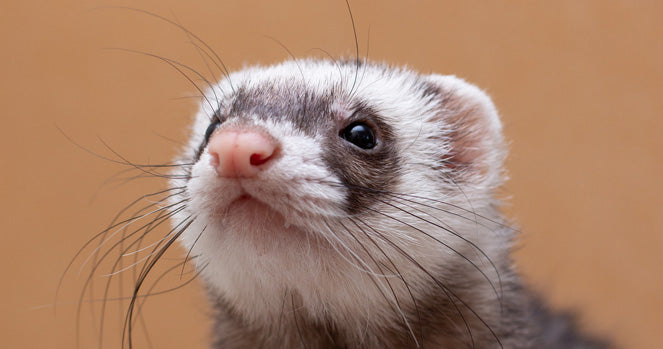




Ferrerts are often recommended as great starter pets, if you want a pint-sized companion that’s fun, zany, and full of energy. These marvelous little mustelids are total dynamos that will provide you with endless hours of entertainment, so it’s easy to see why so many families fall in love with them. However, there’s a lot more to these adorable little weasels than many people realize. In fact, they have specific care requirements that every prospective pet parent should understand before bringing one home.
Because of that, ferrets aren’t the right pets for everybody there are some unique challenges that come with ferret ownership that can make them tricky for some pet owners, particularly less experienced ones. That’s why it’s so important for anyone thinking of adopting a ferret to study up and learn more about the commitment they’re taking on before committing to ferret ownership.
After all, as cute as they are, like any pet, they depend on their humans to provide the right environment, nutrition, and companionship to help them thrive, so you want to make sure they’re the right match for you. To help you learn more about caring for ferrets, ferret behaviors and first-time ferret tips, veterinarian Dr. Kim Meijer of JustAnswer is sharring seven important things every future ferret parent should know before adopting. That way you’ll know all the pros and cons of owning a ferret before you welcome one of these fun-loving, exotic pets into your family.
7 Things To Know Before Adopting a Ferret
If you’re a first-time ferret owner or have always dreaming of getting one of these cute animals, you may be wonderng if ferrerts are good pets? The good news is, experts say they are—you just have to know how to care for them to help keep them happy and healthy.
Ferrets Aren’t Meant to Be Solo Pets
If you’re only planning to bring home one ferret, you may want to rethink that decision. Ferrets are naturally social animals that are happiest when they have another ferret by their side. For first-time ferret owners, understanding their need for companionship is an important part of responsible ferret care.
“Ferrets are very social animals; they will need to be kept in a pair or in small groups of up to four ferrets,” advises Dr. Meijer. “This is to prevent them from getting stressed, bored, or depressed. You will find that they love to play together, and they will be more sociable towards you as well when they are happy and not alone.”
They Need a Big Enclosure

A ferret’s cage should include space to climb, sleep, and explore safelyImage via Getty Images/Yui Mok – PA Images / Contributor
When it comes to picking out the perfect ferret cage, there are a few things you need to keep in mind. “Ferrets are known to be escape artists, so please make sure their enclosure is safe and that it can be securely locked,” warns Dr. Meijer. “They prefer a cage with different levels and size-wise, the bigger the better. You also want to make sure there are no small holes that they can escape through, as they can fit through a hole as small as their head!”
The ideal cage size will depend on how many ferrets you’re keeping together, so if you want to do the math ahead of time, consider using a ferret cage size calculator like this one! However, no matter how big their cage is, they still need plenty of daily time outside of it.
They Require Daily Playtime

Playful ferrets need several hours of enrichment each day.Getty Images cynoclub
One of the biggest surprises for first-time ferret owners is just how playful these little pets can be. Before adopting a ferret, be prepared to give them plenty of time outside their cage each day to explore, play, and burn off energy. “Ideally, your pet will have at least 3 hours outside of its cage every day, because they love to explore and play,” Dr. Meijer recommends. “You’ll also want to have toys and hiding places for them around their play area.”
If this sounds like something you and your family can provide them, then you’ll agree that these are one of the best small pets for kids and you’ll love having them as a furry member of your household.
Not all Vets Will Treat Them

Ferrets are considered exotic pets.Image via Getty Images/it: SDI Productions
What it’s like to own a ferret? Well, they require a lot of vet visits in order to stay up to date on their shots. For that reason, you wnat to make sure that you find a trusted veterinarian who works with ferrets before you adopt one. After all, since they’re technically considered exotic pets, not every veterinarian will treat them for their yearly checkups and vaccinations.
“Just like a dog or cat, your pet ferret will need yearly vaccinations,” Dr. Meijer shares. “They require the canine distemper vaccination and their rabies shot. If your ferret is going to spend time outdoors, then we also need to consider deworming them.”
Ferrets Are “Funky”

Understanding ferret scent is part of responsible ownership.Image via Getty Images/Santiago Brarda
Before bringing home a ferret, there’s one thing every future owner should be prepared for: their signature scent. While some people find the smell surprising, it’s a completely normal part of ferret ownership and doesn’t mean your pet is unhealthy.
“They have a musky smell that is normal for them,” explains Dr. Meijer. “Male ferrets also have a stronger scent due to their hormones. This is something to keep in mind when thinking about getting a pet ferret. Neutering males can help with this a bit. The very good news is that they can become trained to use a litter box with pellets, which will make it much easier to clean and keep fresh.”
They Can Develop Certain Health Conditions

Before bringing a ferret home, you’ll want to find a vet.Image via Getty Images/BSIP / Contributor
Like any animals, ferrets have a few health issues that future owners should be prepared for. Understanding the most common ferret health problems can make a big difference in catching illnesses early and helping your small pet live a longer, healthier life.
“In ferrets older than three years, adrenal gland disease is common. The adrenal glands will produce too much hormones, causing hair loss and itchiness,” warns Dr. Meijer. “In female ferrets, the vulva can become enlarged. In male ferrets, this can show as straining to urinate, which is an emergency.”
The good news is that adrenal gland disease can often be managed with surgery or medication, especially when it’s diagnosed early. Knowing the warning signs and seeking prompt veterinary care is essential, as the condition can become life-threatening if left untreated.
You’ll also want to watch for insulinoma, one of the most common health conditions seen in pet ferrets. “Another health issue that we frequently see in ferrets is an insulinoma, which is a tumor that originates from the pancreas and that causes an excess of insulin production,” Dr. Meijer says. “We often see this in ferrets between 2-8 years old, and it can cause signs of weakness, lethargy, collapse, or even seizures. They can be treated surgically or medically once diagnosed.”
Know Their Lifespan Going In
Pet ferrets make great companions.Image via Getty Images/Cavan Images / Sergey Katkov
How long do ferrets live? Longer than many people realize—making them a true long-term companion. Ferret ownership is a commitment that can span many years, so it’s important to understand what to expect before bringing one into your life.
“A ferret has a life span as a pet of an average of 6–8 years,” informs Dr. Meijer. “They can live up to 14 years old, with the right diet (they are strict carnivores) and medical care. However, a lot of this also depends on their genetics. This is something to think about before bringing your new best friend home, as we want them to be with us for as long as we can.”
Source:
This story was originally published by PetHelpful on Jul 3, 2026, where it first appeared in the All Pets section. Add PetHelpful as a Preferred Source by clicking here.