

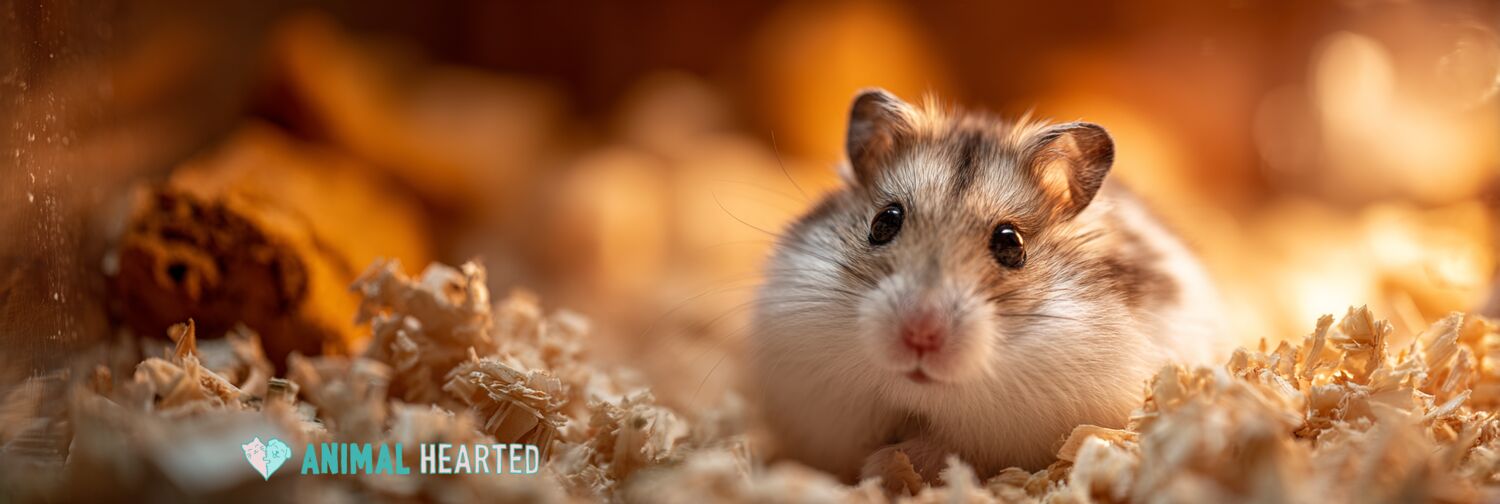
If your kid has been asking for a pet, hamsters are one of the best starter animals out there. They’re small, relatively easy to care for, and most breeds actually enjoy being handled once they’re used to you. The tricky part is picking the right breed, because they’re not all the same. Some are cuddly, some are fast little escape artists, and some are better off just being watched.
We put together this list of the five best hamster breeds for kids based on temperament, ease of handling, and how realistic they are for a busy family. Here’s the quick version:
- Syrian hamsters are the biggest and most handleable. Great for younger kids who want to actually hold their pet.
- Dwarf Campbell Russian hamsters are social and can live in pairs, which is fun for kids who want to watch them interact.
- Roborovski dwarf hamsters are the speedsters. Tons of entertainment value, but they’re not cuddlers.
- Chinese hamsters are calm and gentle, perfect for quieter kids who want a chill companion.
- Winter White Russian hamsters are easygoing and adapt well to family life.
Let’s break down each breed so you can figure out which one is the best fit for your family.
Syrian Hamsters: Gentle Giants

Syrian hamsters are the most popular pet hamster for a reason. They’re the largest of the common breeds (about 6 to 7 inches long), which makes them much easier for small hands to hold without accidentally squeezing too hard. They typically live 2 to 3 years, so your child gets a meaningful amount of time with their pet without the 10+ year commitment of a dog or cat.
These guys are genuinely friendly once they’ve been socialized. Spend a few minutes each day handling them during the first couple of weeks, and most Syrians become totally comfortable being picked up and carried around. They rarely bite, which is a huge deal when you’re talking about a pet for a 6 or 7 year old. For taking care of them, the basics are pretty straightforward.
One important thing to know: Syrian hamsters are strictly solitary. They must live alone. Two Syrians in the same cage will fight, sometimes badly. That’s actually a plus for most families because it means you only need one cage and one setup. A minimum 600 square inch cage (think a 40 gallon aquarium or a large bin cage) gives them enough room to run, burrow, and explore. Add a solid wheel (at least 8 inches so their back doesn’t arch), some chew toys, and a few inches of bedding for burrowing.
Noise level is low. You’ll hear the wheel spinning at night since they’re nocturnal, but that’s about it. They’re a solid pick for kids ages 6 and up, and honestly the best all-around hamster for a first-time pet owner of any age.
Dwarf Campbell Russian Hamsters: Social Buddies

Dwarf Campbell Russians are one of the few hamster breeds that can actually live together. If you get a same-sex pair that’s been raised together from a young age, they’ll usually coexist peacefully. That makes them a great option for kids who think one hamster isn’t enough action. It’s one of the dwarf hamster breeds, making it a manageable pet for kids to take care of.
They’re small (about 4 inches long) and live around 1.5 to 2 years. Handling takes a bit more patience than with Syrians because of their size. They’re quicker and can slip through fingers easily, so they’re better suited for kids around age 8 and up who can be gentle and patient. That said, they do warm up to regular handling and can become quite tame with daily interaction.
Cage setup needs a minimum of 450 square inches of floor space per hamster, and more is always better if you’re housing a pair. Give them separate hiding spots so each one has a place to retreat. A 6.5 inch wheel works for their smaller size. Keep an eye on their feeding habits and make sure one hamster isn’t hogging all the food (this happens more than you’d think).
Campbell’s come in a bunch of color variations, which kids love. They can be nippy when startled, so teach your child to scoop them up gently from below rather than grabbing from above (that triggers a prey response in most small animals). Once they trust you, they’re genuinely fun little pets.
Roborovski Dwarf Hamsters: Tiny Entertainers

Robos are the smallest hamsters you’ll find in pet stores (barely 2 inches long) and by far the fastest. Watching a Roborovski Dwarf Hamster zoom around its cage is genuinely entertaining. They dart, they dig, they sprint on their wheels like tiny athletes. Kids love watching them, and they can provide hours of “hamster TV.”
Here’s the honest trade-off though: Robos are not great for handling. They’re too fast and too small for most kids to safely hold. If your child’s main goal is to cuddle a pet, skip this breed. But if your kid is the type who’s fascinated by watching animals do their thing (building tunnels, running obstacle courses, stashing food), Robos are perfect for that. They’re best for kids age 10 and up who understand that this is more of a “look but don’t grab” pet.
Robos have the longest lifespan of any dwarf hamster, typically 3 to 3.5 years. They can live in same-sex pairs or small groups if introduced young. Their nocturnal habits mean they’re most active in the evening, which lines up nicely with after-dinner free time. They’re also the quietest hamster breed. Almost no vocalizations, just the soft patter of tiny feet.
Cage-wise, give them as much floor space as you can. A 20 gallon long aquarium is the bare minimum, but bigger is better because these hamsters cover a lot of ground. Use a fine mesh or glass enclosure, not wire bars, because they can squeeze through gaps you wouldn’t believe. A 6.5 inch wheel with a solid surface (no wire rungs) keeps them active and healthy.
Chinese Hamsters: Docile Companions

Chinese hamsters are the underrated pick on this list. They’re calm, rarely bite, and they have a neat trick that other hamsters don’t: a longer tail (about an inch) that helps them grip and climb. Kids get a kick out of watching them scale branches and toys in their cage. They’re about 4 inches long and live 2.5 to 3 years.
What makes them especially good for kids is their temperament. Chinese hamsters tend to freeze and assess the situation rather than bolt when something surprises them. That means fewer dramatic escape attempts and a calmer handling experience overall. They’re a solid match for kids ages 8 and up, especially ones who might be a little nervous around small animals.
These hamsters are solitary, so house them alone. Their cage needs are similar to other dwarf breeds (minimum 450 square inches of floor space), but add some vertical elements like branches or platforms since they love to climb. A 6.5 inch wheel, a few hiding spots, and 4 to 6 inches of bedding for burrowing will keep them happy. Feed them a balanced mix of pellets, fresh fruits, and vegetables.
The main downside is availability. Chinese hamsters can be harder to find in pet stores compared to Syrians or Campbell’s. You might need to check with local breeders or specialty shops. They’re also a bit more skittish at first, so plan on a longer taming period (a week or two of daily gentle handling before they fully relax).
Winter White Russian Hamsters: Adaptable Friends

Winter Whites get their name from a cool party trick: in the wild, their fur changes from gray to white as winter approaches. In captivity this color change is less dramatic (since indoor lighting stays consistent), but some owners do notice a lightening of their coat in winter months. Kids think this is fascinating, and honestly, it is.
Size-wise, they’re similar to Campbell’s (about 3.5 to 4 inches) and live around 1.5 to 2 years. They’re one of the more easygoing dwarf breeds when it comes to handling. Most Winter Whites tolerate being picked up without much fuss, making them a reasonable choice for kids ages 7 and up. They adapt quickly to new environments and routine changes, which is great for busy families. Check out these best hamster tubes for cage enrichment ideas.
They can sometimes live in same-sex pairs, but it’s less reliable than with Campbell’s. If you want to try pairing them, get littermates and have a backup cage ready just in case. A minimum 450 square inch cage works, with a 6.5 inch wheel and plenty of bedding. They’re active at dusk and dawn (crepuscular, if you want the fancy term), so your kids might catch them awake in the early morning or right around dinnertime.
Temperature matters with this breed. Keep their room between 65 and 75 degrees Fahrenheit. They’re sensitive to heat especially, so avoid placing their cage near windows or heating vents. Other than that temperature quirk, they’re low-maintenance and make a wonderful first hamster for families who want something small, friendly, and not too demanding.
Frequently Asked Questions

What are the common health issues to look out for with each hamster breed, and how can they be prevented?
The biggest one across all breeds is wet tail, which is a bacterial infection that causes diarrhea and can be fatal if untreated. Stress is the main trigger, so keep cage changes gradual and handling gentle during the first week home. Dental health is another thing to watch. Hamster teeth never stop growing, so provide chew toys to keep them filed down. Obesity is common in Syrians and Campbell’s if you overdo the treats. Stick to a tablespoon of pellet mix per day, plus small amounts of fresh veggies. If you notice anything off (lethargy, loss of appetite, matted fur), get to an exotic vet sooner rather than later. You might also like Hamster Houses.
How do the costs of owning and caring for different hamster breeds compare?
The upfront cost is pretty similar across breeds. The hamster itself runs $10 to $25, and the initial cage setup (cage, wheel, water bottle, bedding, food) typically costs $80 to $150 depending on what you buy. Monthly ongoing costs are around $20 to $30 for bedding and food. The biggest variable is vet bills. An exotic vet visit can run $50 to $100+, and not all vets see hamsters, so find one before you need one. Dwarf breeds housed in pairs will obviously double your food and bedding costs.
What are some creative ways to enrich the environments of these hamster breeds to ensure they are mentally stimulated?
Scatter feeding is a game changer. Instead of putting food in a bowl, sprinkle it throughout the bedding so your hamster has to forage for it. This mimics their natural behavior and keeps them busy. You can also make DIY tunnels from toilet paper rolls, build mazes from cardboard, or hide treats inside crumpled tissue paper. A sand bath (use chinchilla sand, not dust) gives them a place to roll around and clean their fur. Rotate toys every week or two so things stay interesting.
How do hamster breeds differ in their ability to bond with multiple children or family members?
Syrians are the best at bonding with multiple handlers. They’re big enough to be passed around and generally don’t mind different people holding them. Campbell’s and Winter Whites can also adjust to multiple family members, but they do best when handling sessions are calm and consistent. Robos don’t really bond with handlers in the traditional sense since they’d rather run than be held. Chinese hamsters tend to pick a favorite person, so if you have multiple kids, there might be some “but he likes YOU more” drama. Having each child take turns with feeding and cage cleaning helps spread the bonding around.
Are there specific legal restrictions or considerations to be aware of when owning certain hamster breeds in different regions or countries?
In the US, hamsters are legal in most states, but Hawaii and California have import regulations that ban them entirely. Hawaii considers them an invasive species risk, and California groups them with other restricted rodents. If you’re outside the US, check your local laws. Australia and New Zealand also ban pet hamsters. Some apartment complexes and HOAs have pet restrictions that technically cover hamsters too, so read your lease before bringing one home.
Final Thoughts
There’s no single “best” hamster for every kid. It really depends on what your child wants out of the experience. If they want a pet they can hold and cuddle, go with a Syrian. If they want to watch something zoom around like a tiny furry racecar, a Robo is your pick. For something in between, Campbell’s, Winter Whites, and Chinese hamsters all hit that sweet spot of handleable but still entertaining to observe.
Whatever breed you choose, involve your kid in the daily care from day one. Filling the water bottle, measuring out food, spot-cleaning the cage. These small responsibilities add up and teach them what it actually means to be responsible for another living thing. And if the novelty wears off after a month (it might), that’s a normal parenting moment, not a failure. Gently redirect them back to the routine, and before long the hamster becomes a genuine part of the family.
One more thing: check out your local rare hamster breeds guide if you want to explore some less common options too. Happy hamster hunting.
