

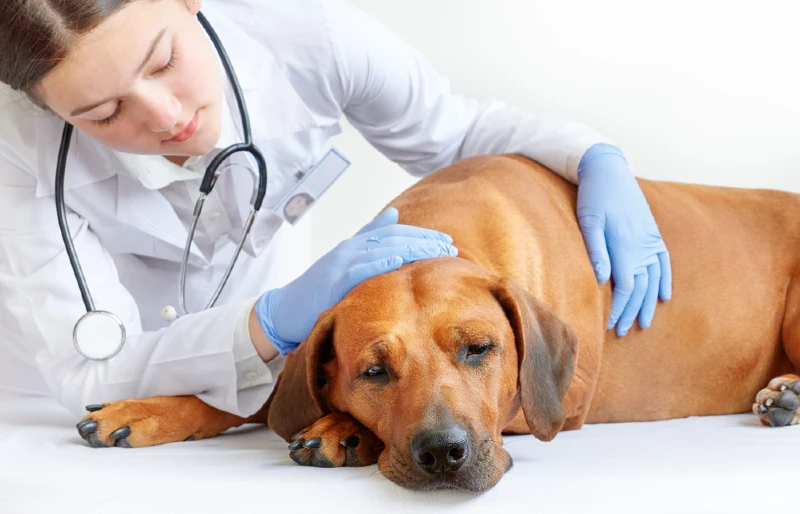
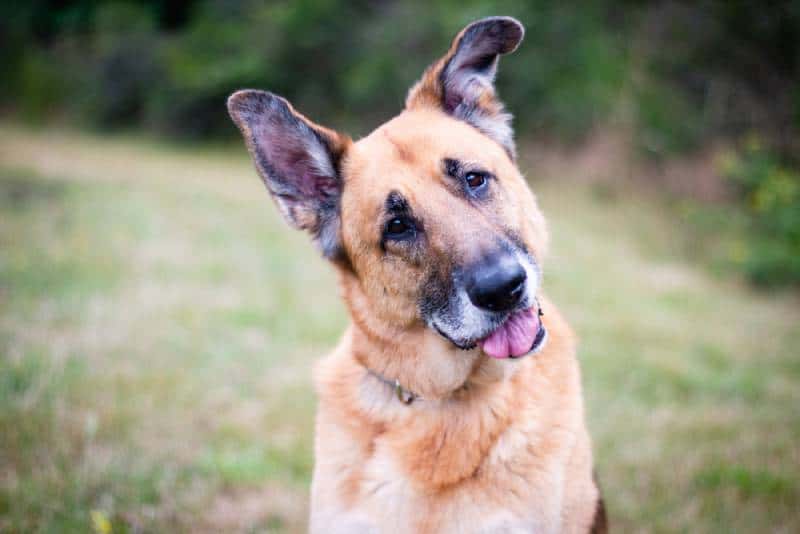
If your dog often tilts their head, has tremors, walks in circles, paralyzes, or has seizures, they may be suffering from a neurological condition. The most common neurological issues in dogs are epilepsy, intervertebral disc disease, Wobbler syndrome, stroke, meningitis, and encephalitis. Not all neurological conditions have the same clinical signs. As a result, they will vary depending on the disease.
In this article, you will learn about the most common neurological diseases in dogs and their most common signs.
The 10 Neurological Issues in Dogs
1. Epilepsy
The most common neurological condition in dogs worldwide is epilepsy. This condition has several causes:
- Unknown causes (also called idiopathic epilepsy)
- In this case, a genetic predisposition (inherited from parents) is taken into account.
- Toxins
- Parasites
- Head injuries
Epilepsy is manifested through several types of seizures:
- Focal seizures — The clinical signs include face muscle spasms, frequent blinking, head movements or muscle contractions in one of the extremities, excessive salivation, vomiting, dilated pupils, anxiety, impatience, urgent attention seeking, and inexplicable fear.
- Generalized seizures — Dogs lose consciousness and have convulsions. Excessive salivation, urination, or involuntary defecation may occur. There are also generalized seizures without convulsions, which are characterized by a sudden loss of muscle tone and collapse.
- Focal seizures evolve into generalized seizures — A generalized seizure occurs immediately after a focal one. It is the most common type of seizure seen in dogs.
The manifestations of a dog during a seizure of a certain type can be different in another dog affected by the same type of seizure. They can occur suddenly without other clinical signs, last a short time, and stop by themselves.
2. Intervertebral Disc Disease (IVDD)
IVDD is a degenerative condition of the discs that form the spinal cord. It is also known as a herniated disc. The prevalence of this disease is higher for chondrodystrophic dog breeds, such as Dachshunds, Basset Hounds, Pekingese, Beagles, Lhasa Apsos, Shih-Tzus, Cocker Spaniels, Corgis, Bulldogs, and Miniature Poodles.
When the intervertebral discs wear, the outer layer breaks, and the gelatinous content is released into the spinal canal, where it compresses on the spinal cord. Clinical signs of IVDD include:
- Back pain
- Limb paralysis
- Lack of control over urination and defecation
- Stiffness of neck and back
- Avoiding moving, including bending or raising their head
- Wobbly walk
- Abdominal sensibility
- Arched back
- Lameness
- Lethargy
- Atypical body posture
- Tremors
- Crying
3. Stroke
Stroke in dogs occurs when the brain is deprived of the oxygen necessary for good functionality, which leads to the appearance of neurological signs. This pathology is less frequent in dogs compared to humans. A stroke can be:
- Ischemic — It is caused by the blockage of a blood vessel in the brain.
- Hemorrhagic — This is when a blood vessel from the brain ruptures. Dogs suffering from hypertension, kidney disease, and hyperadrenocorticism have a high risk of hemorrhagic stroke.
The clinical signs of stroke occur suddenly, and depending on its location, they will differ.
Anterior location:
- The dog walking in a circle
- Seizures
- Behavioral changes, including irritability and apathy
- Blindness
At the level of the brainstem and cerebellum:
- Walking in a circle
- Fever
- Tremors of the head
- Paresis or partial loss of voluntary motor function
- Balance disorders
Spinal location
In hemorrhagic stroke, the clinical signs have a slower onset.
4. Canine Degenerative Myelopathy
Canine degenerative myelopathy, or chronic degenerative radiculomyelopathy, is a progressive disease of the spinal cord that occurs in old dogs. This condition gradually sets in around the age of 7–14 years.
It can affect any dog breed, but some are more prone, such as:
- Boxers
- Bernese Mountain Dogs
- Borzoi
- Cavalier King Charles Spaniels
- Golden Retriever
- German Shepherd
- Pugs
Initially, dogs begin to walk in an uncoordinated manner, and as the disease progresses, paralysis of the hind limbs occurs. The clinical signs include:
- Walking on their knuckles (especially when turning)
- Falling over easily when they are pushed from the side
- Scraping the ground with their back feet when walking
- Having difficulty getting up
- Having hind limbs paralysis
5. Encephalitis
Encephalitis is a neurological condition characterized by the inflammation of the brain tissue. It is common in small toy, terrier, and Poodle breeds. The causes of encephalitis are multiple and include:
- Bacterial infections
- Viral infections
- Parasitic infections
- Unknown causes
Affected dogs are usually around the age of 5 years. In the case of dogs under 1 year old, the main suspicion is viral infectious encephalitis due to Carré’s disease. Clinical signs include:
- Behavioral changes (aggressiveness, inability to recognize owner, and urination and defecation in inappropriate places)
- Apathy
- Lack of appetite
- Hyperexcitability
- Dromomania
- Hitting the surrounding objects
- Pressing the head against the surrounding objects
- Tremors
- Head tilt
- Facial paralysis
- Walking in a circle
- Tendency to get stuck in corners
- Depression
- Disorientation
- Coma
- Death

6. Meningitis
Meningitis is the inflammation of the meninges, a membrane that covers and protects the spinal cord and the brain. The causes of meningitis in dogs are similar to those of encephalitis.
Meningitis is rare, and dogs suffering from this condition will have severe clinical signs, including:
- Generalized pain
- Lethargy
- Fever
- Lack of appetite
- Muscle spasms
- Stiff neck
- Loss of balance
- Paralysis
- Lack of consciousness
- Walk in a circle
- Pacing
- Blindness
- Seizures
- Death
7. Wobbler Syndrome
Wobbler syndrome, or cervical spondylomyelopathy, is a neurological disease caused by a malformation of the vertebrae that supports the neck. In the case of dogs affected by this disease, the spinal canal between two or more vertebrae is reduced in circumference due to the herniation of the vertebral disc or the malformation of a vertebra. As the affected dog grows, the spinal canal shrinks even more, putting more pressure on the spinal cord.
The most affected breeds are Great Danes and Doberman Pinchers, and the first clinical signs occur around the age of 4. Clinical signs of Wobbler syndrome in dogs include:
- Difficulty bending the neck
- Wobbly gait (especially in the hind limbs)
- Loss of limb control
- Paralysis of the hind limbs

8. Spinal or Brain Trauma
Spinal cord and brain injuries in dogs are medical emergencies because they can lead to:
- Contusions of the spine and skull
- Dislocations of the spine
- Fractures of the spine and skull
- Herniated disc
- Brain swelling
They can be caused by:
- Direct hits (e.g., blows to the head)
- Car accidents
- Fights
Depending on the affected segment, clinical signs may include:
- Paresis and paralysis
- Seizures
- Walking in a circle
- Wobbly walk
- The dog keeping their head tilted
- Pupil dilation
- Stumbling
- Alteration of the state of consciousness
- Disorientation
- Death
9. Vestibular Disease
Vestibular disease is a condition that makes affected dogs feel dizzy. This condition can be caused by otitis, severe ear infections, or other factors that affect the balance center in the inner ear and brain. It is more common in old dogs.
Clinical signs usually occur suddenly but improve significantly within the first 48–72 hours and often resolve within 2–3 weeks. They include:
- Loss of balance (dog leaning to the side)
- Keeping the legs spread to maintain balance
- Head tilt
- Involuntary eye movements
- Nausea and vomiting
- Walking in a circle
- Inability to stand
10. Peripheral Nerve Diseases
Peripheral nerves are responsible for coordination, physical responses, and digestion. When they are affected, they cannot transmit information properly. The causes of this condition are multiple and include:
- Toxins
- Cancer
- Inflammatory diseases
- Inherited diseases
- Diabetes
- Vitamin B12 deficiency
- Hypothyroidism
- Arthritis
The clinical signs are varied and depend on the primary condition. These may include:
- Weakness
- Muscular atrophy
- Lameness
- Abnormal body position
- Weight gain
- Increased thirst
Not all peripheral diseases can be treated until they are completely healed. In some cases, dogs may remain with sequelae for the rest of their lives.
Conclusion
Neurological problems in dogs are various and can arise from a multitude of causes. The most common neurological problems in dogs are represented by epilepsy, which is at the top of the list, intervertebral disc disease, peripheral nerve disease, and Wobbler syndrome. The predominant clinical sign in most neurological conditions in dogs is walking in circles or changing the position of the head. Also, dogs with spinal problems will experience pain or paralysis. If your dog shows such clinical signs, take them to the vet.
Featured Image Credit: Zontica, Shutterstock
