

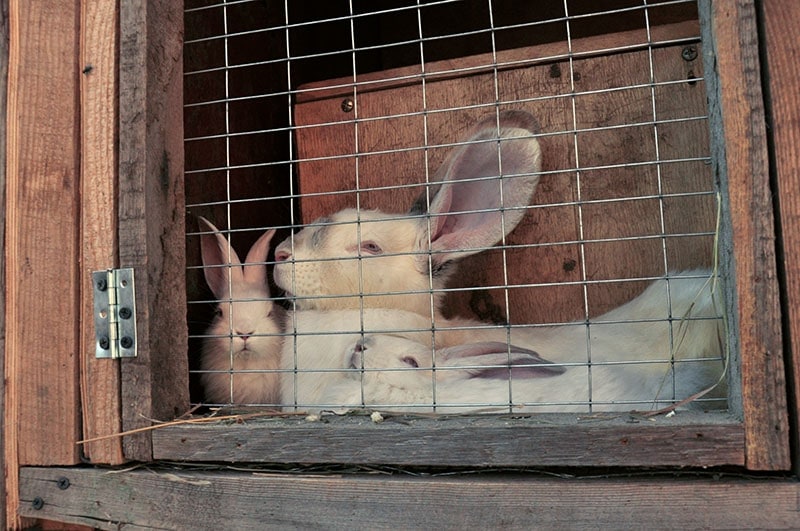
Rabbits are among the most recognizable and common domesticated animals we keep in our homes. Rabbits come in all shapes and sizes and can adapt to many living situations, including living outside in large runs or in houses. A common misconception about rabbits is that they’re untrainable and just live their lives in a cage. That is completely untrue! Rabbits are intelligent, curious, and full of personality. In this article, we’ll bring you 16 surprising facts about pet bunnies so you can learn how amazing they are!
The 16 Pet Rabbit Facts
1. Rabbits Can Learn Their Names
Contrary to popular belief, pet rabbits are smart and can learn many tricks, including their names. Teaching your rabbit their names is easiest if you have a tasty (but healthy) treat waiting, and it’ll take less time than you might think! Rabbits can also be taught more advanced tricks, such as playing fetch, and positive reinforcement is the best way to get results!

2. They Can Live for More Than 10 Years
Some species can live for more than 10 years if they’re well looked after. Often, rabbits are only given a lifespan of around 4 to 5 years; while this may be true for wild rabbits that face more dangers than pet rabbits, well-looked-after pet rabbits can comfortably reach 10 or even 12 years of age. Smaller breeds often live longer than bigger breeds.
3. Rabbits Have Teeth That Are Always Growing
A rabbit’s teeth are all open-rooted, meaning they never stop growing. The incisors and molars in a rabbit’s mouth are positioned to grow against each other and constantly wear each other down (with the help of a fibrous diet) to stay at the correct length. Unlike our teeth that grow, fall out, and are replaced by a permanent set; a rabbit’s teeth grow in once and replenish new tooth material constantly. Rabbits with malocclusion (teeth that don’t meet properly) can have several problems, including the roots growing into their eyes!

4. Rabbits Cannot Vomit
Rabbits’ digestive systems cannot bring up food or hair like cats or dogs can. They self-groom and ingest hair, but they have no way of removing it and can run into problems. Rabbits have one-way digestive systems and don’t have the necessary diaphragmatic strength or anatomy needed to bring the contents of their stomachs back up, so they can’t vomit or gag.
5. Rabbits Are Not Rodents
Rabbits might share some traits with mice and rats, but they’re not rodents. Rabbits belong to a class called Lagomorpha, which includes rabbits, hares, and pika. There are critical differences between the rodent and lagomorph families, with the most obvious (apart from size) being their teeth and dental structure. Lagomorphs, like rabbits, have a second pair of tiny “peg” teeth behind the first large pair of incisors in their mouths, which help them keep their teeth ground down.
6. Rabbits Jump and Twist When They’re Happy
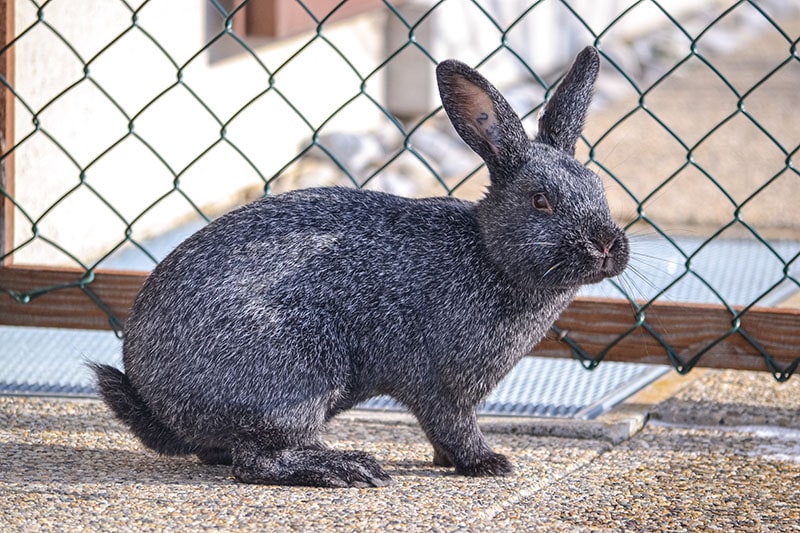
Have you ever seen a happy rabbit jump, twist, and leap into the air? This happy dancing is also known as “binkying,” and it’s done when the rabbit feels happy, comfortable, and safe in their surroundings. Rabbits often have big bursts of energy that accompany binkying. A binkying rabbit is a healthy and happy one, so just enjoy the show!
7. Pet Rabbits All Come From Europe
While the wild rabbits found in the US are all Cottontail rabbits (Sylvilagus Sp.), pet rabbits are a completely different species originating in Europe. Wild rabbits found across Europe are the descendants of domesticated rabbits and are the same species (the European Rabbit, Oryctolagus cuniculus). This means that all pet rabbits in the US are descended from European rabbits.

8. Giant Rabbits Can Weigh More Than 20lbs
There are many shapes and sizes of rabbits, ranging from tiny 2-pound mini breeds to the Giants. The Flemish Giant is the largest rabbit in the world, typically weighing around 20 pounds, with some even reaching up to 40! The current reigning champion of big rabbits is a Flemish Giant that is 4 feet long and lives with his breeder in the UK. Giant breeds like the Continental and Flemish need lots of space to roam, but they typically have very gentle and friendly temperaments.
9. Rabbits Can Learn to Use a Litter Box
Many rabbits will teach themselves to use a litter box if one is available to them since they are very clean animals. Rabbits dislike living in their own mess, so most will pick a corner to do their business. By placing a litter box in this corner, rabbit owners can teach their rabbits to use the litter box even if it’s subsequently moved!

10. Rabbits Stomp When They’re Angry
Just like a binky shows your rabbit is happy, they’ll also show you when they’re unhappy. Thumping or foot stomping is a defense mechanism rabbits use to warn others of the danger as the sound and vibration travel through the ground. Rabbits are particular about certain things (such as where items are in their cage) and will let their owners know if something displeases them. Thumping is one of several unique body language quirks rabbits use to communicate with each other and their owners.
11. Rabbits Can See All Around Their Heads
Because they’re prey animals, rabbits must always be alert to danger. Unlike predator species with front-facing eyes (such as cats and dogs), which judge depth better, rabbits have their eyes on the sides of their heads. While that reduces their depth perception, rabbits can see almost 360 degrees around their heads. Pair that with swiveling ears, and you have an animal that can see and hear everything around them.
12. Rabbits Are Crepuscular
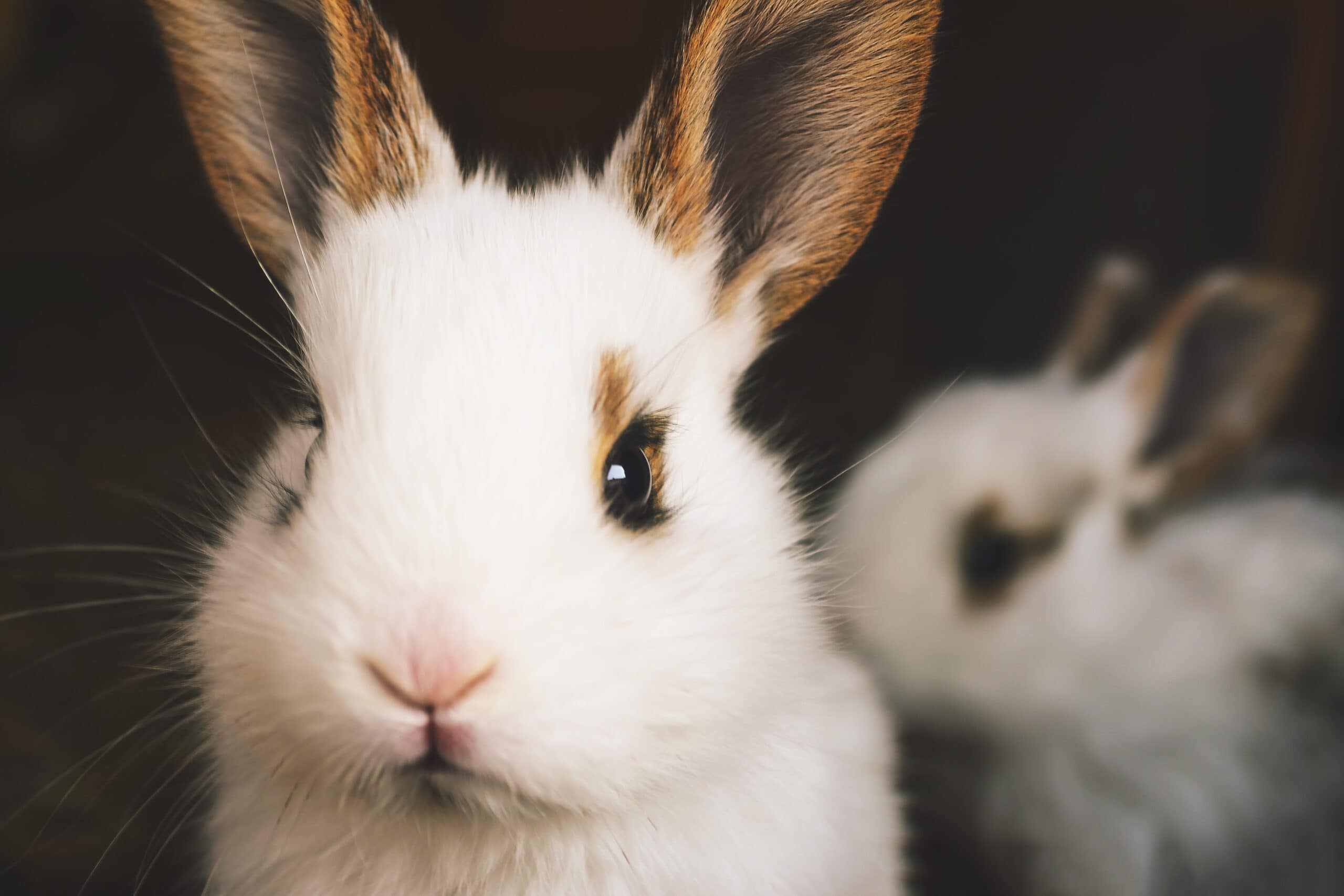
Rabbits are crepuscular animals that are more active at dawn and dusk. They aren’t nocturnal but can still be a little active at night and during the day. It is another protective mechanism, and rabbits use the low light to camouflage themselves from predators better. That is why you’ll see mother rabbits only visiting their babies once a day around dusk; she wants them to stay hidden. When they’re not active, rabbits sleep or rest and eat grass or hay.
13. Carrots Aren’t Good for Rabbits!
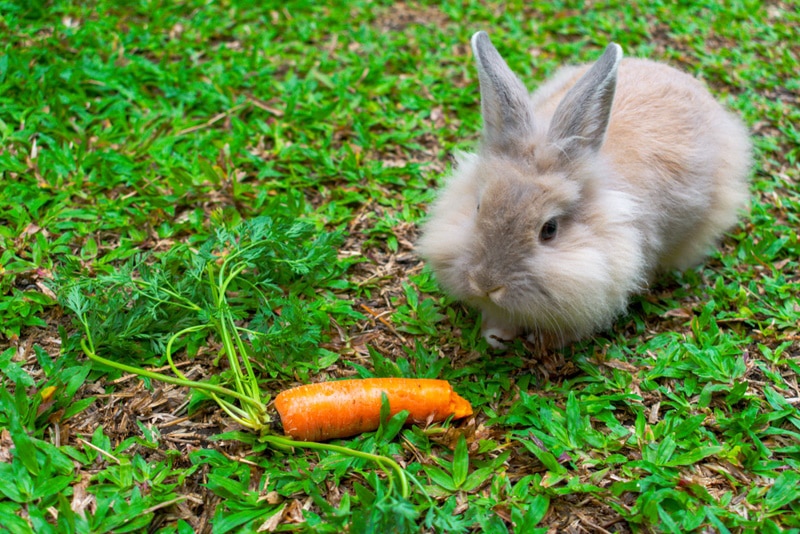
While Bugs Bunny immortalized the carrot as the tastiest snack for rabbits, they’re not very good for them. Rabbits enjoy carrots since they’re sweet, but they contain very little nutrition. They’re low in fiber and high in carbs, making them a less-than-ideal food. Rabbits that lived solely on a diet of carrots would unfortunately not live that long at all. Rabbits living on a diet of mostly carrots will likely produce fewer cecotropes (nutritious poop that help rabbits digest), be lethargic and inactive, gain weight, and have poor digestion.
14. Rabbits Sleep With Their Eyes Open
This is a very strange fact that makes sense when you think about it; rabbits sleep with their eyes open. It is another defensive mechanism that stems from being a prey animal. Rabbits must be able to see their surroundings at all times, and their eyes stay open even as they sleep. Rabbits will blink their nictitating membranes (third eyelids) while they sleep to keep their eyes moist, but their eyes will be open and functional.
15. Rabbits Need Company
Rabbits are very social creatures that need to live in social groups to feel safe and protected. A rabbit living on its own is a stressed rabbit, and they often begin to exhibit physical and mental health problems out of loneliness. Rabbits can stop eating (which quickly becomes deadly for them), or they can show uncharacteristic aggression. Keeping rabbits together allows them to perform natural behavior they can’t do otherwise, such as allogrooming or forming a pecking order.

16. Baby Rabbits Are Called Kittens
Lastly, baby rabbits are called kittens! A group of rabbit kittens is called a nest or a litter, and older rabbits share their names with deer. An adult female rabbit is called a doe, and an adult male is called a buck! A group of adult rabbits is referred to as a colony or a herd.
Conclusion
Rabbits are fascinating creatures that have been domesticated for hundreds of years. They were initially used for meat and fur to keep Roman soldiers fed and clothed. They gradually morphed into a companion species, and now these marvelous creatures are everything from show animals to therapy animals! Rabbits should always be kept together and given enough room to hop and jump about. If your rabbits are well-cared for, they can be excellent companions for over 10 years!
Featured Image Credit: taya_xxmeimei, Shutterstock
