
Close Menu
GenzyPets

    Subscribe to Updates

    Get the latest creative news from FooBar about art, design and business.

    What's Hot

    Boo! Which rabbit or guinea pig is the scariest or funniest of them all?

    Do Rabbits Get Bored? How to Keep Your Bunny Mentally Stimulated

    Abigail’s House Of Buns – Chapter 89 – Trick or Treat

    Facebook X (Twitter) Instagram
    Trending
    • Boo! Which rabbit or guinea pig is the scariest or funniest of them all?
    • Do Rabbits Get Bored? How to Keep Your Bunny Mentally Stimulated
    • Abigail’s House Of Buns – Chapter 89 – Trick or Treat
    • November 1st 2025: Top Cuties of the Week
    • Daylight Saving Time is back. Or forward. Or maybe in multiple positions …
    • Abigail’s House Of Buns – Chapter 90 – Test Model
    • Gizmo’s Thankful Feast: Best Guinea Pig Forage Tray for Fall | Small Pet Select Blogs
    • November 8th 2025: Top Cuties of the Week
    Facebook X (Twitter) Instagram
    GenzyPets
    Friday, July 31
    • Home
    • Birds
      • Budgies
      • Canary Care
      • Cockatiels
      • Lovebirds
    • Chinchillas
      • Chinchilla Care
      • Chinchilla Food
      • Chinchilla Health
      • Chinchilla Cages
    • Ferrets
      • Ferret Behavior
      • Ferret Care
      • Ferret Food
      • Ferret Health
    • Fish & Aquatic Pets
      • Aquarium Care
      • Betta Fish
      • Goldfish
      • Shrimp Tanks
    • Guinea Pigs
      • Guinea Pig Breeds
      • Guinea Pig Care
      • Guinea Pig Diet
      • Guinea Pig Health
    • Hamsters
      • Dwarf Hamsters
      • Hamster Care
      • Hamster Food
      • Syrian Hamsters
    • Hedgehogs
      • Hedgehog Care
      • Hedgehog Diet
      • Hedgehog Habitat
      • Hedgehog Health
    • Mice & Rats
      • Mouse Care
      • Pet Mice
      • Pet Rats
      • Rat Care
    • Rabbits
      • Rabbit Breeds
      • Rabbit Care
      • Rabbit Nutrition
      • Rabbit Training
    • Reptiles
      • Bearded Dragons
      • Leopard Geckos
      • Small Snakes
      • Turtles
    GenzyPets
    You are at:Home»Hamsters»Hamster Care»Why hamsters eat poop and why this strange habit is completely normal |
    Hamster Care

    Why hamsters eat poop and why this strange habit is completely normal |

    PawvistaBy PawvistaJuly 27, 2026004 Mins Read
    Share Facebook Twitter Pinterest LinkedIn Tumblr Email
    Why hamsters eat poop and why this strange habit is completely normal |
    Share
    Facebook Twitter LinkedIn Pinterest Email
    Why hamsters eat poop and why this strange habit is completely normal |

    Why hamsters eat poop and why this strange habit is completely normal

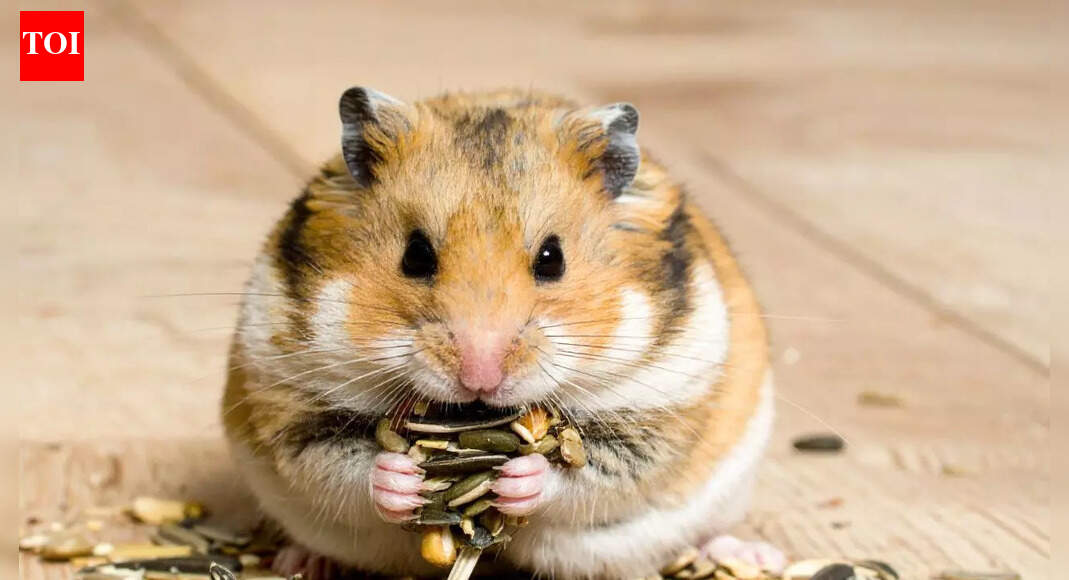
    If you have ever spotted your hamster quickly turning around, grabbing a fresh dropping, and eating it as if it were a tiny snack, you might feel confused or even a bit shocked. But for hamsters, eating poop is completely normal and actually essential for good health. What looks unusual to humans is simply a natural behaviour that helps these small animals survive on their nutrient-poor, fibre-heavy diets. Hamsters evolved in the wild to eat foods like seeds, roots, stems, and other tough plant materials. These foods are low in nutrients and difficult to digest. To cope with this, hamsters developed a clever digestive strategy that allows them to make the most out of every bite of food: they digest it twice. This is where their poop-eating habit comes in, not as a sign of illness, but as an important survival tool. Once you understand the purpose behind it, the behaviour becomes far less strange and much more fascinating.

    How hamster digestion works and why they need special poop called cecotropes

    The scientific term for eating poop is coprophagy, and it is commonly seen in many small herbivores, including rabbits, guinea pigs, mice, and of course, hamsters. But hamsters do not eat all of their droppings. Instead, they only eat a special kind called cecotropes.Cecotropes are soft, nutrient-packed droppings that form in a special organ in the hamster’s digestive tract called the cecum. This pouch contains beneficial bacteria that further break down food after it passes through the stomach and small intestine. Since the first round of digestion cannot fully extract nutrients from fibrous foods, the cecum’s bacteria help release additional nutrients such as amino acids, sugars, and vitamins. Eating cecotropes allows hamsters to absorb these essential nutrients efficiently, supporting healthy growth, maintaining energy levels, and strengthening their immune system while maximising the nutritional value of their diet. This behaviour is completely natural and should not be discouraged, as preventing a hamster from accessing its cecotropes can lead to deficiencies, weakened immunity, digestive imbalance, and poor overall health over time.These nutrients get combined into soft, sticky pellets, cecotropes, which the hamster eats directly from the anus. They often do this quickly and quietly, sometimes without chewing and sometimes without even opening their eyes. Even though it looks odd, this is a highly efficient way for them to reprocess food and absorb nutrients that would otherwise be lost.Because nutrients produced in the hindgut cannot be absorbed there, eating cecotropes is the only way for the hamster’s body to gain access to them. It is a natural, perfectly designed system that ensures they make full use of their diet.

    The surprising nutrients hamsters get from eating their own poop

    Cecotropes are very different from regular droppings. They are much richer in essential nutrients that support growth, immunity, and overall wellbeing. These include:

    • B vitamins
    • Vitamin K
    • Volatile fatty acids
    • Amino acids
    • Microbial proteins
    • Minerals

    These nutrients are vital for energy, tissue repair, strong immunity, and healthy organ function. For a small herbivore with limited access to high-quality food sources, this second round of digestion makes a big difference.Another major benefit of eating cecotropes is the maintenance of a healthy gut microbiome. By re-ingesting beneficial bacteria from their hindgut, hamsters help repopulate and stabilise their digestive system. A healthy gut supports stronger immunity, smoother digestion, and efficient nutrient absorption.Even pet hamsters that eat balanced commercial diets still rely on this natural process. No packaged food can fully replace the complex nutrients produced in the caecum. This is why hamsters continue to eat cecotropes even when they are healthy, well-fed, and well cared for. It is simply how their bodies are built to function.

    Why pregnant hamsters eat more poop

    The habit of eating poop becomes even more important during certain life stages, especially pregnancy and nursing. During these times, a female hamster needs extra nutrients to support embryo growth and milk production. As a result, she may produce and consume more cecotropes than usual.This increase is completely normal and should not be mistaken for a poor diet or improper care. Even if a pregnant hamster is eating high-quality food, her body naturally demands more vitamins, amino acids, and microbial proteins. Coprophagy ensures she gets everything she needs to stay healthy and support her babies. Understanding why hamsters eat poop helps you appreciate how intelligently their bodies are designed. What seems like a strange habit is actually a remarkable biological strategy that keeps them healthy, nourished, and thriving.Also Read: The colours that attract sharks fastest in the ocean: How contrast increases your visibility

    completely Eat habit Hamsters normal poop strange
    Share. Facebook Twitter Pinterest LinkedIn Tumblr Email
    Previous ArticleAdorable Guinea Pig Breeds You Should Know
    Next Article Hantavirus One-Shot mRNA Vaccine Fully Protects in Syrian Hamster Model
    Pawvista
    • Website
    • Facebook
    • X (Twitter)
    • Pinterest
    • Instagram
    • LinkedIn

    Related Posts

    Why Your Rabbit Might Eat Less in Winter

    July 30, 2026

    Can Hamsters Eat Walnuts? Nutritional Insights for Pet Owners — Animal Hearted Apparel

    July 29, 2026

    Rabbit Food Problems: Is It Normal or an Emergency?

    July 29, 2026
    Add A Comment
    Leave A Reply Cancel Reply

    Top Posts

    The Pros and Cons to Owning an Alaskan Malamute – Fantastic Furries

    July 27, 20266 Views

    Read This BEFORE You Get a New Ferret – The Modern Ferret

    July 27, 20265 Views

    Rabbit Teeth Grinding: What Is It & Why Do They Do It

    July 27, 20263 Views
    Stay In Touch
    • Facebook
    • YouTube
    • TikTok
    • WhatsApp
    • Twitter
    • Instagram
    Latest Reviews

    Subscribe to Updates

    Get the latest tech news from FooBar about tech, design and biz.

    About us

    Welcome to GenzyPets.com, your trusted source for everything related to micro pets and small companion animals.

    At GenzyPets, we believe that every pet deserves the best care, whether it's a hamster, guinea pig, rabbit, hedgehog, chinchilla, ferret, bird, reptile, fish, or any other small pet. Our mission is to provide pet owners with reliable, easy-to-understand, and practical information to help them give their pets healthy and happy lives.

    Most Popular

    The Pros and Cons to Owning an Alaskan Malamute – Fantastic Furries

    July 27, 20266 Views

    Read This BEFORE You Get a New Ferret – The Modern Ferret

    July 27, 20265 Views

    Rabbit Teeth Grinding: What Is It & Why Do They Do It

    July 27, 20263 Views

    Subscribe to Updates

    Get the latest creative news from FooBar about art, design and business.

    © 2026 GenzyPets.com. All Rights Reserved.
    • Terms & Conditions
    • Privacy Policy
    • Contact Us
    • About Us

    Type above and press Enter to search. Press Esc to cancel.