

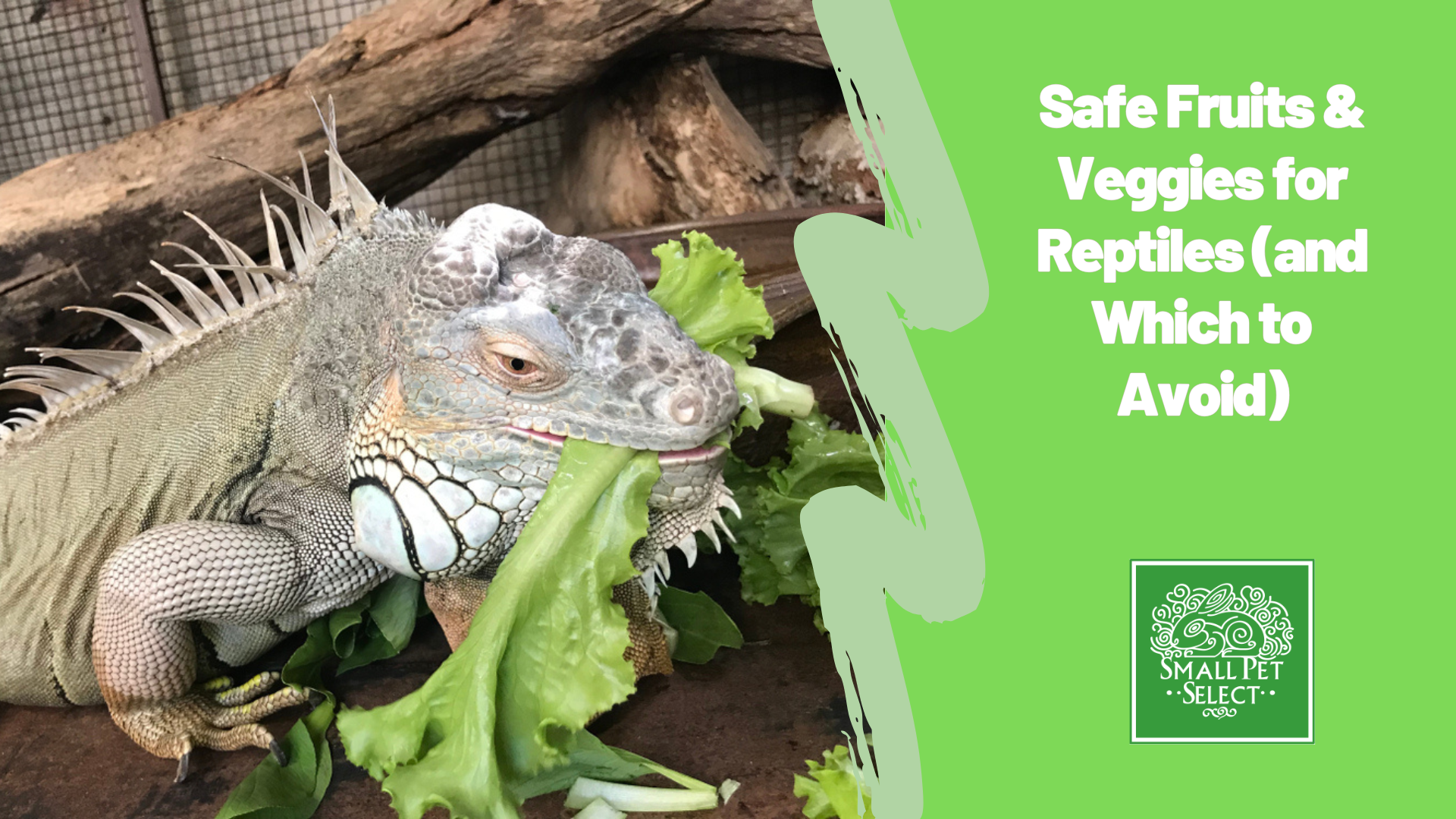
From experience, safe fruits and vegetables for pet reptiles significantly contribute to their overall well-being. It can serve as a source of vitamins (usually A or C), water, minerals, and fiber.
However, not every food is safe for consumption. Some can cause digestive issues, such as constipation. In the sections below, you’ll find out the benefits of fruits and veggies in reptiles’ nutrition, safer options for some species, and much more.
Why You Should Prioritize Safe Fruits and Vegetables for Pet Reptiles
Opting for safe fruits and vegetables for pet reptiles can offer numerous health benefits:
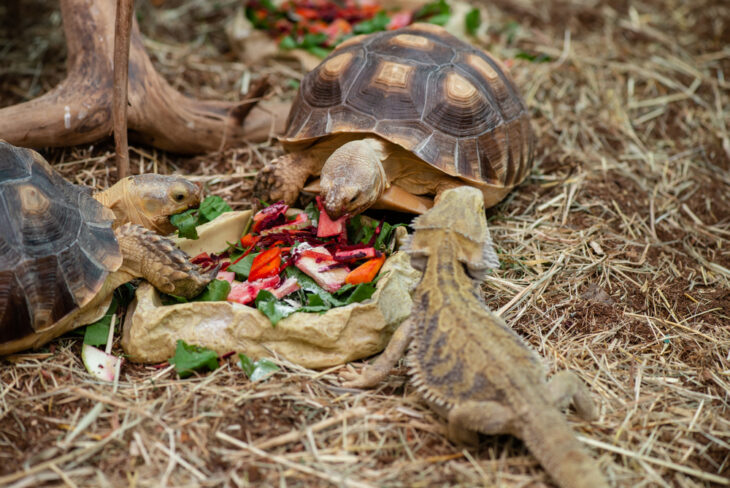
Improves digestion
Most reptile-safe fruits and vegetables contain fiber, enzymes, and probiotics, which aid digestion and relieve constipation. In other words, they prevent digestive upsets.
Boosts hydration
Some fresh produce, such as cucumbers and melons, has a substantial water content. When your scaled babies consume them frequently, they’ll stay hydrated.
Source of vitamins and minerals
Safe fruits and vegetables for pet reptiles are essential for your pets. Leafy vegetables like kale, figs, kiwi, and carrots are rich in Vitamins A and C, supporting eye health. On the other hand, calcium-rich foods such as papaya improve your scaled friends’ bone health.
Manages weight
Some fruits are low in fat and calories. For example, apples and berries may minimize obesity-related risks, including cardiovascular disease.
Encourages natural foraging behavior
When you scatter veggies and fruits, you encourage your scaly companions to mimic their natural foraging instincts. It’ll keep them mentally and physically engaged.
Nutrition 101: Safe Fruits and Vegetables for Pet Reptiles
Not all greens and fruits can be consumed by your scaled babies. Here are highlights of both the safe and unsafe options:
Bearded dragons
Beardies can eat either plants or insects, which makes them omnivores. Introducing safe fruits and vegetables for pet reptiles, including collard greens and squash, provides them with the right dietary balance. Serve fruits in moderation to avoid severe health issues, such as liver disease.
| Category | Fruits & vegetables |
| 🟢 Always safe | Mustard greens, Swiss chard, bok choy, bell peppers, collard greens, and squash |
| 🟡 Occasional treats | Blueberries, mangoes, and strawberries |
| 🔴 Never feed | Iceberg lettuces and avocados |
Switch greens every day to prevent boredom.
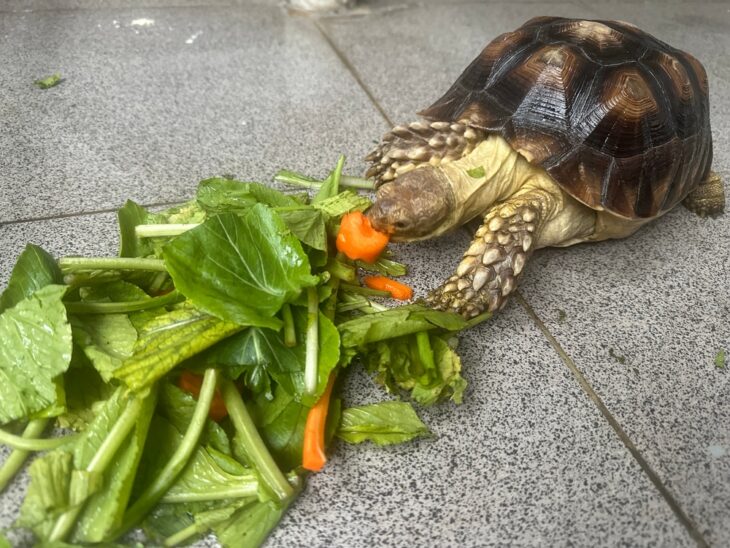
Tortoises
The majority of tortoises are herbivores, which means their digestive tracts are designed to process high-fiber foods. In their case, you should try options like dandelion greens as a vegetable and papaya as a treat.
| Category | Fruits & veggies |
| 🟢 Always safe | Turnip greens, hibiscus leaves, and dandelions |
| 🟡 Occasional treats | Apples, melons, and papayas |
| 🔴Never feed | Spinach and rhubarb |
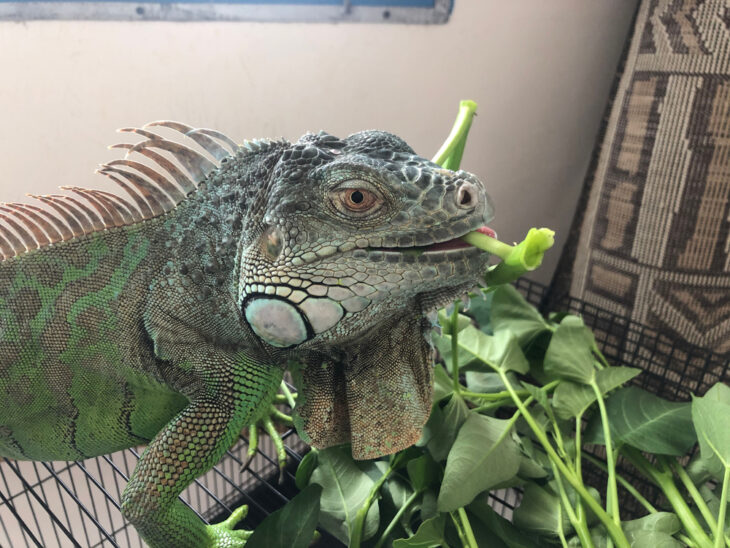
Iguanas
Iguanas also thrive on a diet rich in plants and calcium. Tropical fruits, like mango, are great and safe, but they shouldn’t replace vegetables.
| Category | Fruits & vegetables |
| 🟩 Always safe | Bell peppers, collard greens, squash, and kale |
| 🟨 Occasional treats | Banana, papaya, and mango |
| 🟥 Never feed | Avocado, onions, and garlic |
Geckos
Diet varies depending on the species. For instance, leopard geckos are insectivores, while crested geckos prefer to eat soft fruit purees like mashed papaya.
| Category | Fruits & veggies |
| 🟩 Always safe | Gecko-safe commercial fruit blends and mashed papaya |
| 🟨 Occasional treats | Banana puree or mashed mango |
| 🟥 Never Feed | Avocado and citrus fruits (e.g., oranges, grapefruits, pomelos, limes, lemons, tangerines, and mandarins) |
How to Wash, Cut, and Prepare Produce for Pet Reptiles
Even safe fruits and vegetables for pet reptiles can become toxic if they aren’t appropriately rinsed and cut into the correct sizes. First, wash your hands thoroughly for a few minutes before handling the food. Here are the next steps to follow:
- Wash with running tap water: Scrub hard produce, such as squash and carrots, with a vegetable brush to remove stubborn dirt. Please refrain from washing them with detergents to prevent the risk of food poisoning.
- Soak leafy veggies: First, separate the leaves of greens like collards and remove the wilted parts. Submerge them in a bowl of water and gently swish to dislodge any dirt. Ensure that you don’t wash them directly in the sink to prevent the spread of bacteria.
- Dry the greens: Use clean paper towels.
- Cut into bite-sized pieces: Always chop or dice food into small portions so that your scaled companions don’t choke. Slice soft fruits, such as zucchini and bell peppers, into thin layers.
- No seasonings: Never add sugar, oils, salt, or dressings. Reptiles need raw, bland meals for healthy digestion.
- Use a low dish: It ensures that your scaly friends easily see and eat the fruits or vegetables.
It’s worth noting that reptiles are competitive, so serve the produce individually and supervise them. If they won’t eat, place it directly on the enclosure floor.
Tips on Avoiding Pesticides and Other Chemical Concerns
Pesticide residues in safe fruits and vegetables for pet reptiles can pose serious health risks, including neurological damage and developmental abnormalities. You can guard against these issues in this manner:
- Always go for 100% organic produce
- Peel fruits like melons and apples
- Remove seeds from pears to minimize toxicity
- Rinse leafy greens, such as kale, in mild vinegar or plain water to reduce residues.
Check back with the Small Pet Select Homepage in the future for more tips on preparing pesticide-free produce for your reptiles.
Conclusion: Happier Reptiles Start With Healthy Fruits and Veggies
As a reptile parent, feeding your companions may seem like a chore at first. However, it becomes second nature when you can distinguish between safe fruits and vegetables for pet reptiles and the toxic ones. Fruits and veggies provide essential nutrients that your babies need to survive, such as fiber, vitamins, hydration, and foraging opportunities.
When in doubt, always consult an exotic vet.
