

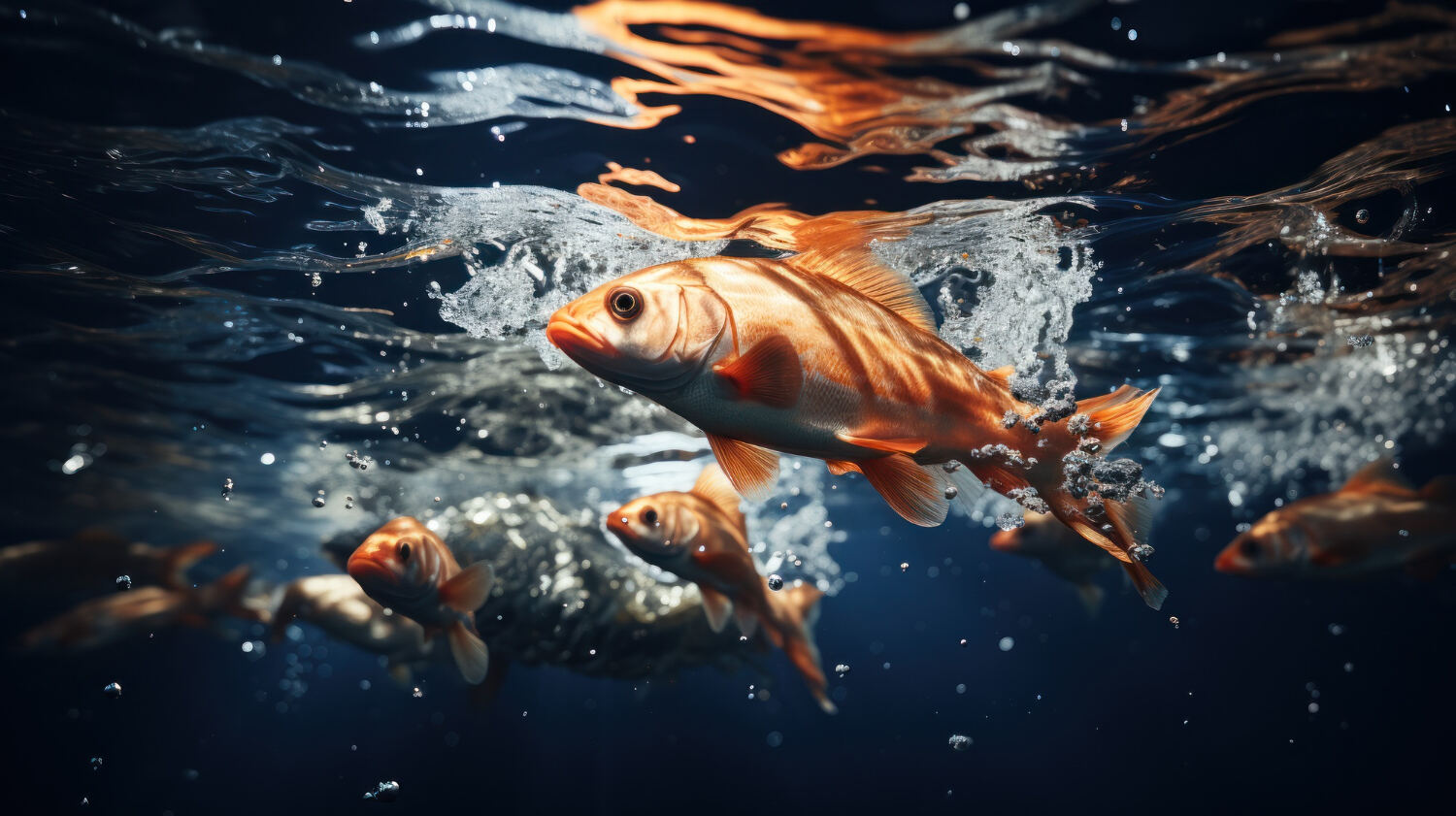
Introduction to Goldfish Health
Why does putting a dying goldfish in salt water save it?
The health of a goldfish is pivotal to understanding this remedy.
As a critical component in aquariums, salt plays a multifaceted role in fish treatment and maintenance.
Goldfish are a beloved freshwater species, known for their vibrant colors and hardy nature.
However, maintaining goldfish requires attention to their water environment to prevent stress-related complications.
Quality water significantly impacts goldfish health, with factors like pH balance, nitrate levels, and temperature being crucial for creating a suitable habitat.
When fluctuations occur in an aquarium, goldfish can become susceptible to infections and diseases from bacteria or parasites.
This stresses the need for maintaining optimal water quality to prevent unexpected fatalities.
Salt treatment aids in counteracting these pathogens by promoting a healthier slime coat on fish skin, enhancing their defense mechanisms against contaminants.
Additionally, improper feeding schedules can negatively affect goldfish, leading to toxin build-up and stress.
Regular monitoring of aquarium conditions, such as changes in ammonium and nitrite concentrations, is vital to keep goldfish in a robust state.
Using salt as a preventative measure can help stabilize the water chemistry, thereby reducing stress and improving fish health.
In summary, understanding why putting a dying goldfish in salt water saves it requires an awareness of the balance needed in aquarium conditions.
With a keen focus on maintaining healthy water parameters, goldfish can thrive and exhibit reduced mortality rates.
At The Goldfish Tank, we emphasize these care strategies to support goldfish enthusiasts in maintaining vibrant, healthy pets.
Understanding the Role of Salt in Aquariums
Salt plays a crucial role in maintaining the health of aquarium goldfish, and this raises an important question: Why does putting a dying goldfish in salt water save it?
The primary reason is that salt acts as a natural remedy to combat stress and prevent disease.
In aquariums, salt is used primarily to create a balanced environment for freshwater fish.
Salt can help reduce nitrate toxicity, which often leads to stress and potential fatality in fish.
By carefully adding appropriate concentrations of salt, you create a buffer that neutralizes harmful ammonia and nitrite levels.
Another important function of salt in an aquarium is its capacity to act as an effective treatment against common parasites and bacteria.
This treatment is especially significant when considering the potential causes of a goldfish’s declining health.
Aquarium hobbyists often use salt as a preventative measure and a natural medication to fight infections.
Salt helps to maintain the mucus or slime coat of goldfish, which serves as the first line of defense against pathogens and contaminants.
Ensuring the ideal salt concentration is vital.
Too little may prove ineffective, while an overdose could dehydrate and harm the goldfish.
Maintaining proper water quality is essential, and understanding how salt interacts with elements like temperature and pH is key to this process.
It’s important to note that not all salt is created equal.
Aquarium salt is specifically designed for use in fish tanks and contains no additives or anti-caking agents that could be harmful.
Including a regular schedule to test water quality and adjust salt levels is beneficial for a healthy aquarium.
As we delve into the specifics of salting practices, it’s clear that salt serves as both a treatment and a preventative measure.
Understanding its benefits equips goldfish enthusiasts with the knowledge to improve fish health efficiently.
The goal is to create a stress-free environment that enhances the natural resilience of the goldfish, aiding in recovery and overall vitality.

How Salt Water Can Benefit a Dying Goldfish
Why does putting a dying goldfish in salt water save it?
The answer lies in the transformative benefits that salt can provide to ailing goldfish, acting as a natural remedy against stress and disease.
Salt water, specifically in controlled concentrations, can create a favorable environment for goldfish to recover.
It works by promoting a chemical balance that can alleviate stress, which is a leading cause of goldfish health decline.
When added to a goldfish tank, salt can help reduce the presence of harmful pathogens and parasites.
These microorganisms often weaken fish, and the salt acts as a protective barrier, allowing the goldfish’s immune system to recover.
Moreover, salt’s ability to reduce nitrate and ammonia levels in the water is crucial.
These toxic compounds can reach fatal concentrations and are often elevated in improperly maintained tanks.
By neutralizing these toxins, salt improves water quality, thus enhancing goldfish health.
For dying goldfish, the introduction of salt water can also help manage and prevent certain infections.
Salt can cause the slime coat on goldfish to thicken, providing extra protection against bacteria and fungus infections.
While using salt, it’s imperative to maintain the correct concentration.
A general recommendation is one tablespoon per gallon, though this may vary with individual needs.
Using it incorrectly can lead to salt overdose, so careful measurement is vital.
In improving overall aquarium health, salt serves as an effective tool.
It assists in maintaining a stable environment, which is essential for the longevity and vitality of goldfish.
Whether dealing with a sudden illness or a chronic condition, salt water can often help revive a dying goldfish when used properly.
However, regularly monitoring water conditions, including temperature and filtration, is crucial for sustained health.
Implementing such a method carefully can indeed save a dying goldfish and restore it to health.
Proper Use of Aquarium Salt for Treatment
Understanding why putting a dying goldfish in salt water may save it is key to effectively utilizing aquarium salt as a treatment.
Aquarium salt can help restore a goldfish’s health by combating pathogens and reducing stress.
However, its successful application relies on proper dosage and careful handling.
When using salt to treat a sick goldfish, it is crucial to control the concentration.
Typically, a starting dose is one tablespoon of salt per three gallons of water.
Over time, this can be increased gradually, but caution is important to prevent dehydration or stress for the fish.
Monitoring water quality is essential during salt treatment.
Regular testing for ammonia, nitrate, and nitrite levels can provide insights into the tank’s conditions.
A proper filtration system can help maintain the delicate balance necessary for a healthy aquatic environment.
The duration of salt treatment varies based on the severity of the goldfish’s condition.
Generally, treatments should not exceed ten days.
Prolonged exposure could result in harmful impacts rather than benefits.
Aquarium salt is not a substitute for a well-maintained aquarium environment.
Maintaining optimal temperature, regular water changes, and a balanced diet are foundational to a goldfish’s health.
In summary, why does putting a dying goldfish in salt water save it? Properly used, salt provides temporary relief that complements overall good practice in goldfish care.
Common Mistakes and Precautions
Why does putting a dying goldfish in salt water save it?
Understanding this can prevent common mistakes when using salt for treatment.
One major error is using excessive amounts.
Too much salt can dehydrate fish, causing increased stress and potentially fatal consequences.
Accurate measurement is crucial.
Ensure you use the correct dosage based on your tank’s gallon size.
Another common mistake is incorrect salt type.
Only use aquarium, not table salt, which often contains additives that can harm your fish.
Additionally, sudden changes in water salinity can cause shock.
Gradually introduce salt to maintain a stable balance and protect your goldfish’s health.
Always monitor your goldfish during treatment.
Look out for signs of stress or unusual behavior, and adjust accordingly to maintain a healthy environment.
Alternative Treatments and Preventive Measures
Why does putting a dying goldfish in salt water save it?
This question highlights the need for understanding alternative treatments and preventative measures for maintaining goldfish health.
Aquarium salt is beneficial, but there are other methods to consider for treating and preventing diseases in goldfish.
Firstly, maintaining excellent water quality is crucial.
Regularly testing water parameters like nitrate, ammonium, and pH levels can help prevent diseases by ensuring a balanced, healthy environment for your goldfish.
Using a quality aquarium water conditioner can neutralize harmful toxins and contaminants.
Implementing a consistent feeding schedule with appropriate portion sizes is vital.
Overfeeding can lead to poor water quality and stress, increasing the risk of diseases.
Regularly monitor your goldfish during feeding to ensure they consume all food without leftover residue contaminating the water.
Quarantine new fish before introducing them to your main tank.
This precaution helps prevent the spread of pathogens and infections that new fish might carry.
A separate quarantine tank, equipped with a filter, ensures your goldfish system remains healthy and uncontaminated.
Consider using natural remedies, such as Indian almond leaves, which have antifungal and antibacterial properties.
These leaves can boost the immune system and improve the overall health of your goldfish without relying solely on aquarium salt.
Lastly, keeping a clean habitat by performing regular water changes can markedly improve goldfish health.
A routine cleaning schedule reduces the load of harmful bacteria and maintains a low-stress environment for your fish.
By understanding why putting a dying goldfish in salt water can be beneficial, you can explore and implement these alternative treatments and preventative measures.
This ensures your goldfish remain healthy and vibrant, minimizing the need for intervention.
Conclusion: Maintaining a Healthy Aquarium Environment
Why does putting a dying goldfish in salt water save it?
Understanding this fundamental question is crucial for maintaining a healthy aquarium environment.
The use of salt can assist in alleviating stress and combating pathogens, but it’s just one part of a broader approach to goldfish care.
To ensure a healthy aquarium, regular water testing is essential.
Monitoring water quality parameters like ammonia, nitrate, and nitrite levels can help prevent fatal conditions.
Maintaining an effective filtration system is also critical to reduce contaminants and ensure a balanced ecosystem.
Additionally, consistent feeding schedules and avoiding overfeeding help mitigate stress and prevent contamination.
Preventative measures, such as gradual water changes and temperature regulation, support overall fish health.
Remember, a proactive approach contributes significantly to reducing mortality rates and fostering a thriving aquarium ecosystem.
